Understanding sequencing Easy Math Worksheets for Ages 4-8
3 filtered results
-
From - To
Unlock your child's potential with our "Understanding Sequencing Easy Math Worksheets" designed for ages 4-8. These engaging, printable worksheets introduce young learners to the concept of sequencing, helping them develop essential skills in a fun and interactive way. Through colorful visuals and relatable examples, kids will grasp the basics of ordering and arranging objects, numbers, and events. Perfect for classroom use or at-home practice, our resources cater to diverse learning styles, ensuring every child can master sequencing effortlessly. Encourage critical thinking and foundational math skills as your little ones enjoy hands-on activities that make learning a joyful experience! Download today and get started!
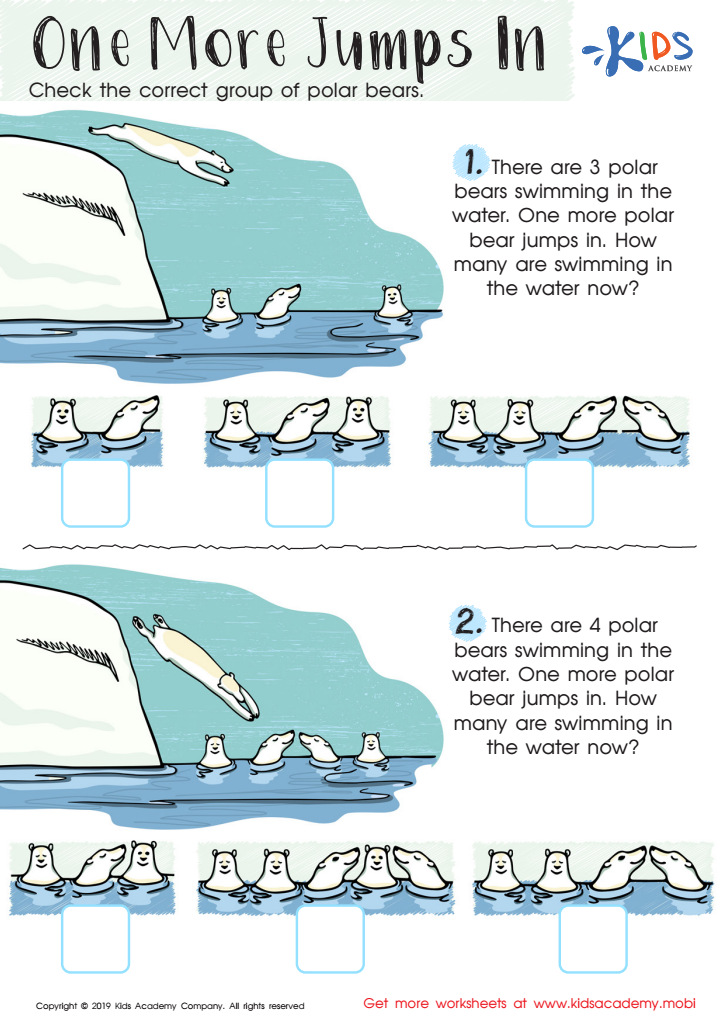
One More Jumps In Worksheet
 Assign to My Students
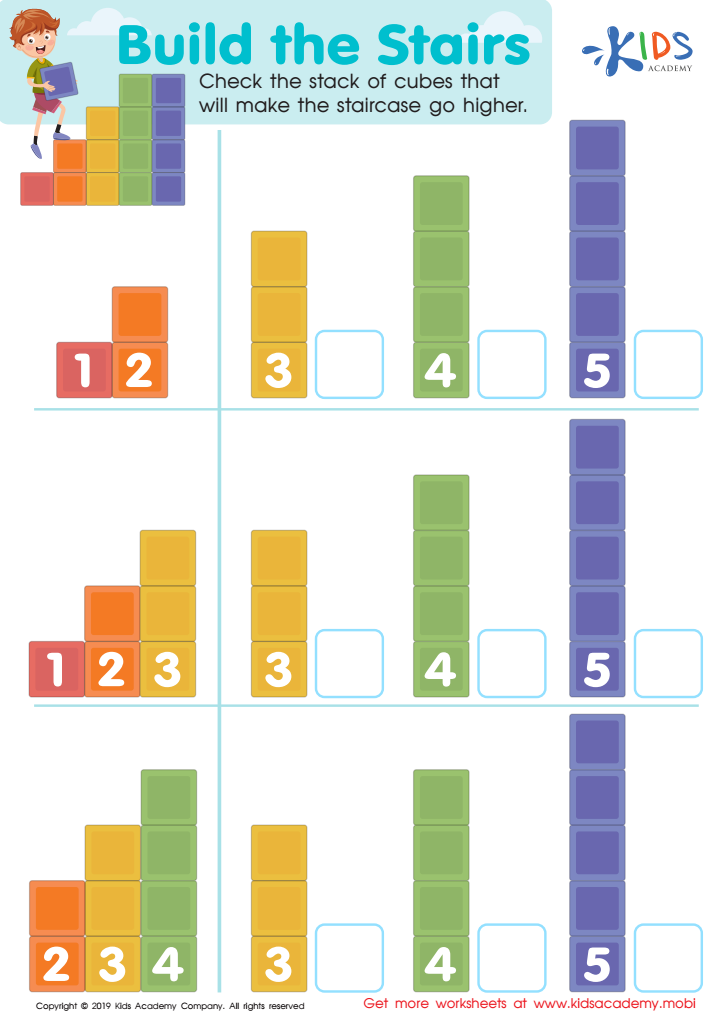
Build the Stairs Worksheet
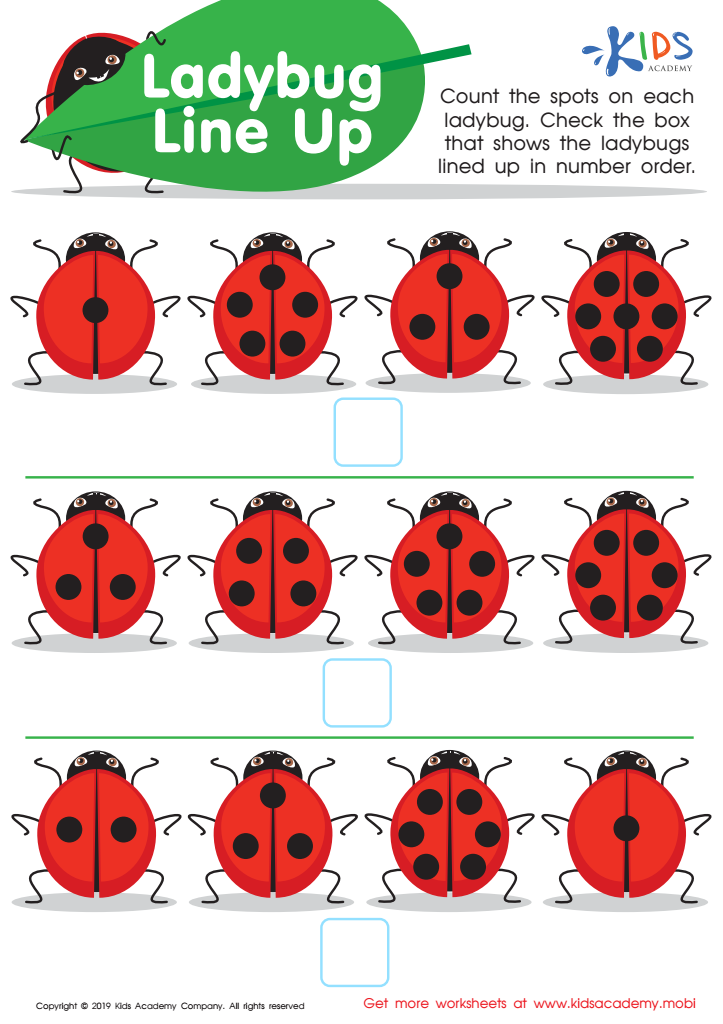
Ladybug Line Up Worksheet








Parents and teachers should prioritize understanding sequencing in early math for children aged 4-8 due to its foundational role in cognitive development and problem-solving skills. Sequencing involves recognizing and organizing events, shapes, and numbers in a specific order, which mirrors the structure of daily life and academics.
By mastering sequencing, children enhance their ability to comprehend patterns, an essential skill for more complex mathematical concepts later on. For instance, sequencing helps with understanding addition and subtraction, laying the groundwork for learning multiplication and division. It also supports literacy, as reading comprehension relies on the ability to follow narratives in a logical order.
Moreover, developing sequencing skills fosters critical thinking and boosts confidence in young learners. Engaging in activities like storytelling, pattern games, and simple math exercises promotes essential thinking processes and strengthens memory retention. As children learn to navigate sequences, they gain a sense of achievement and motivation, encouraging lifelong learning habits.
Ultimately, when parents and teachers emphasize sequencing, they equip children with the necessary tools to succeed in math and other areas of learning, thereby setting the stage for future academic success and everyday problem-solving abilities. It’s an investment in their holistic development.








