Counting practice Easy Numbers 0–10 Worksheets for Ages 4-8
8 filtered results
-
From - To
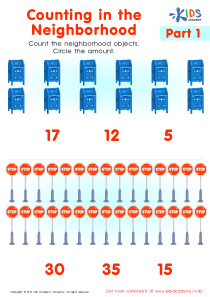
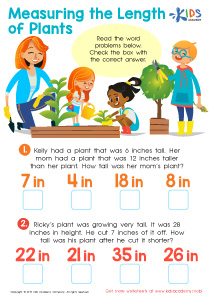
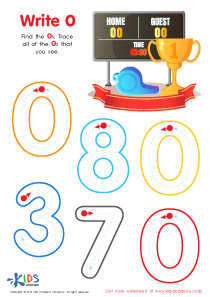
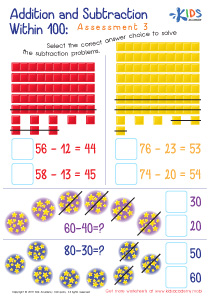
Our "Counting Practice Easy Numbers 0–10 Worksheets" are designed for children aged 4-8 to build a solid foundation in counting and number recognition. These engaging worksheets feature colorful illustrations and interactive activities that make learning enjoyable. Kids will practice counting, tracing, and identifying numbers in a fun way, enhancing their numerical skills. Ideal for at-home learning or classroom use, our resources cater to various learning styles and help boost confidence in early math concepts. With clear instructions and kid-friendly layouts, these worksheets are perfect for fostering a love for numbers in young learners as they embark on their educational journey!
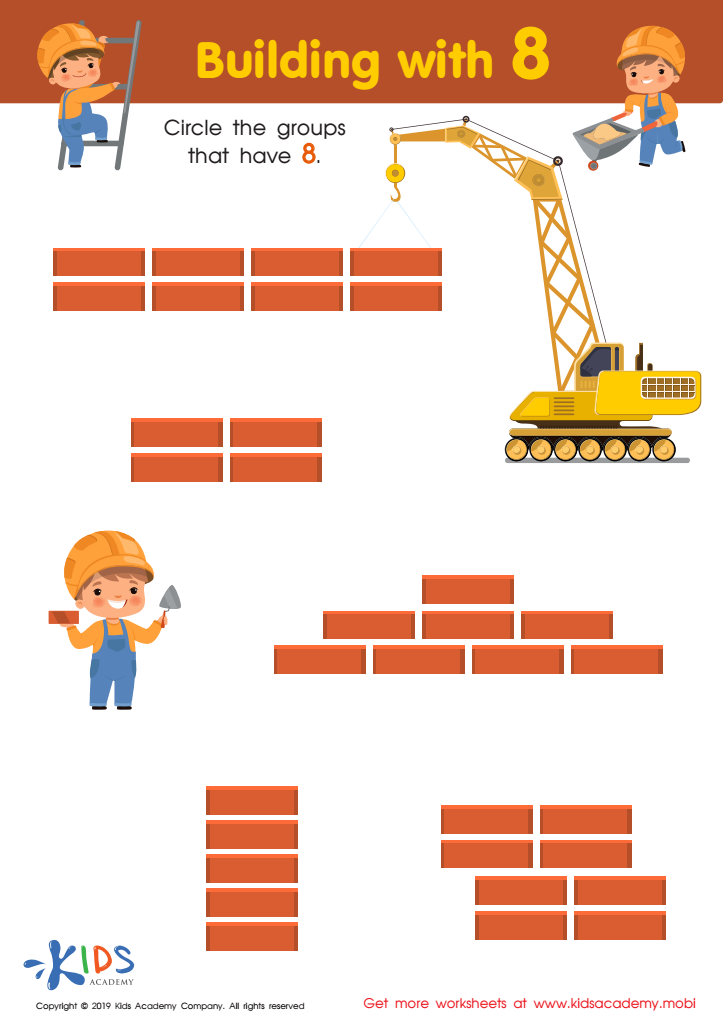
Building with 8 Worksheet
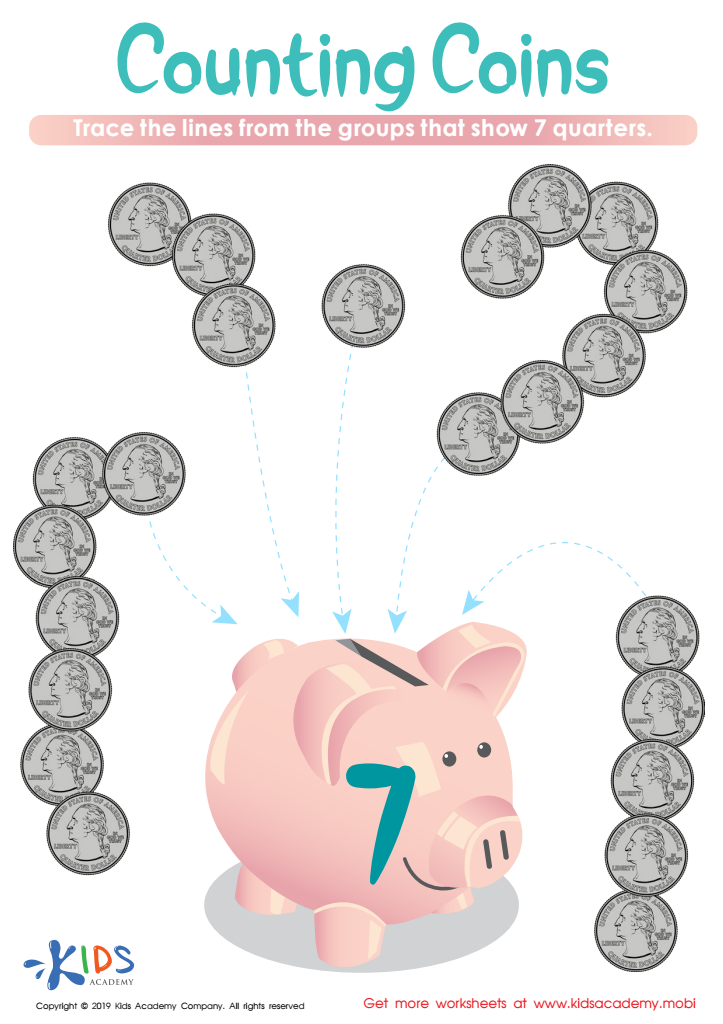
Counting Coins Worksheet
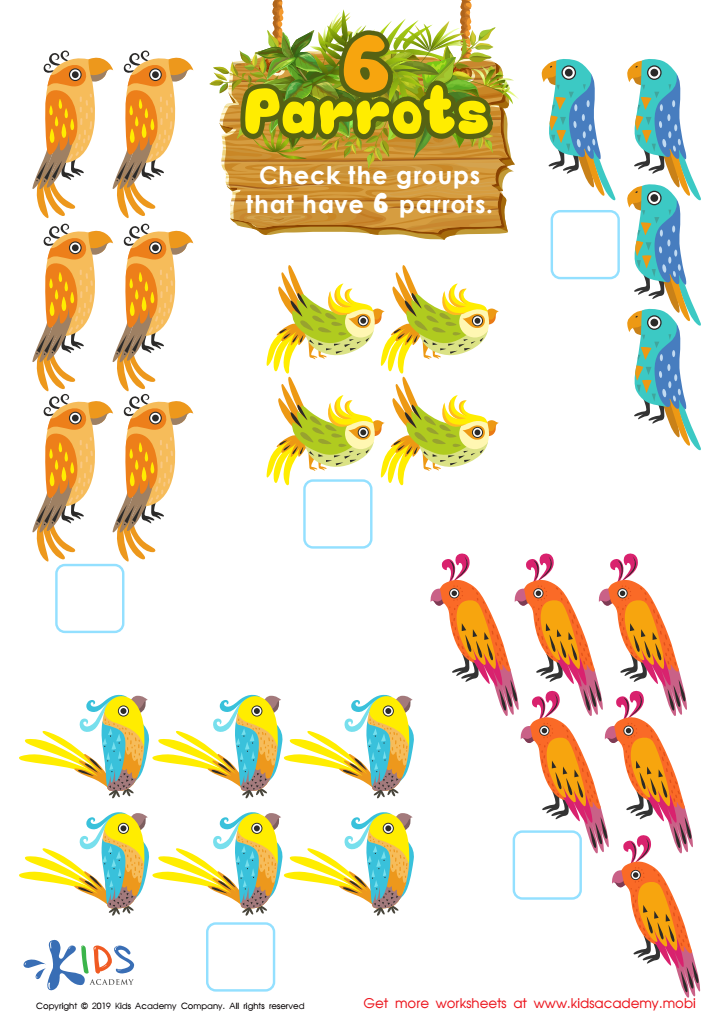
6 Parrots Worksheet
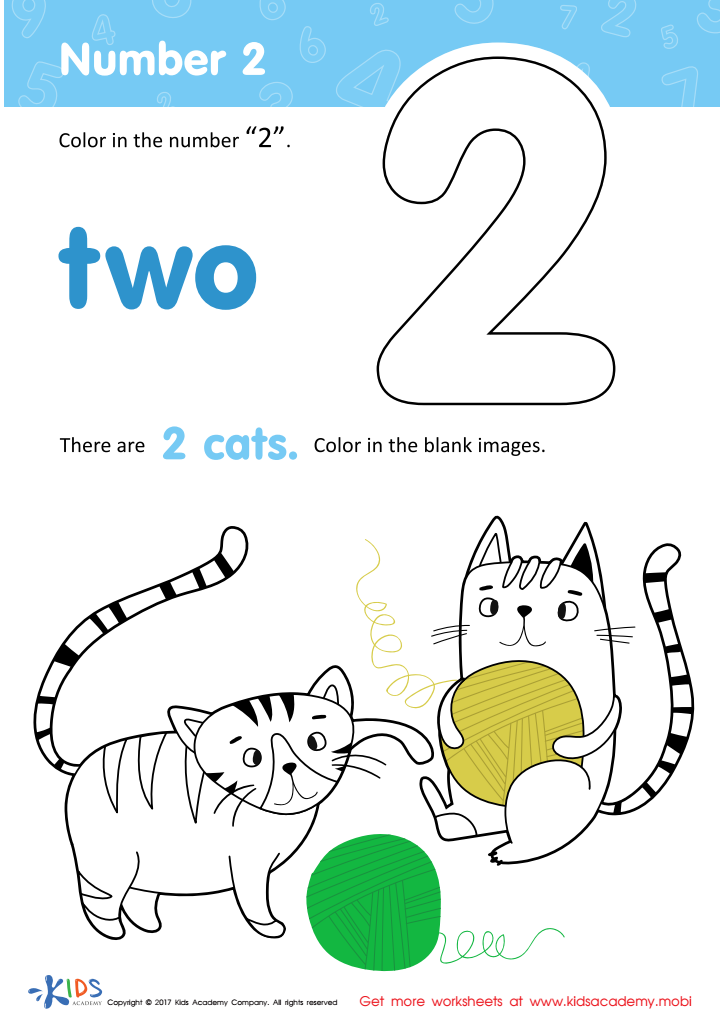
Number 2 Printable
 Assign to My Students
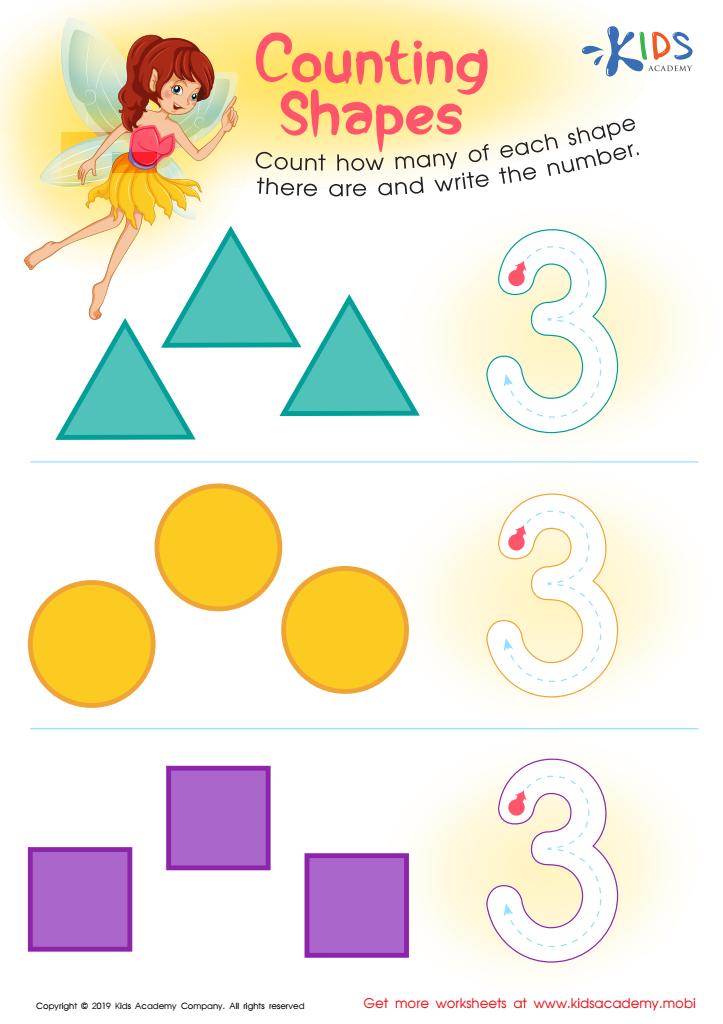
Counting Shapes Worksheet
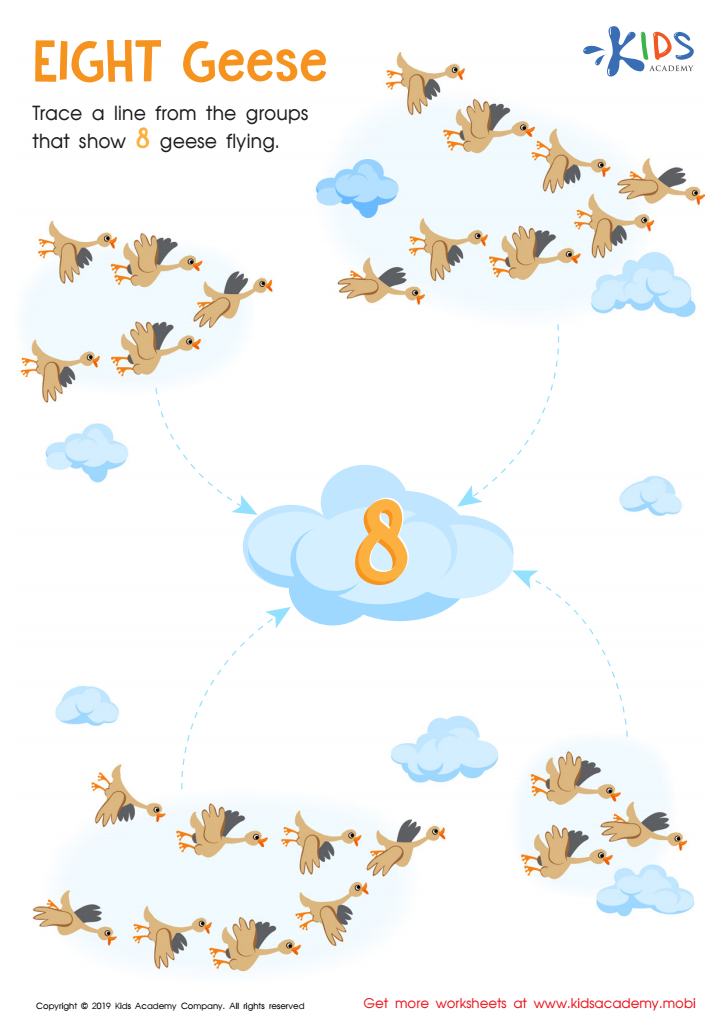
Eight Geese Worksheet
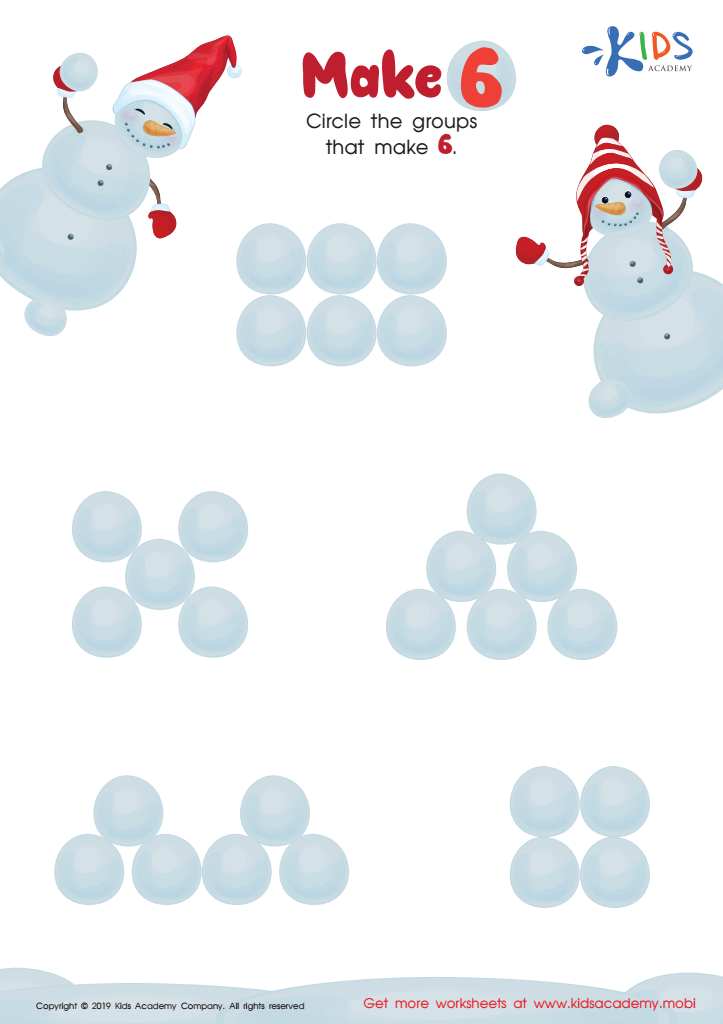
Make 6 Worksheet
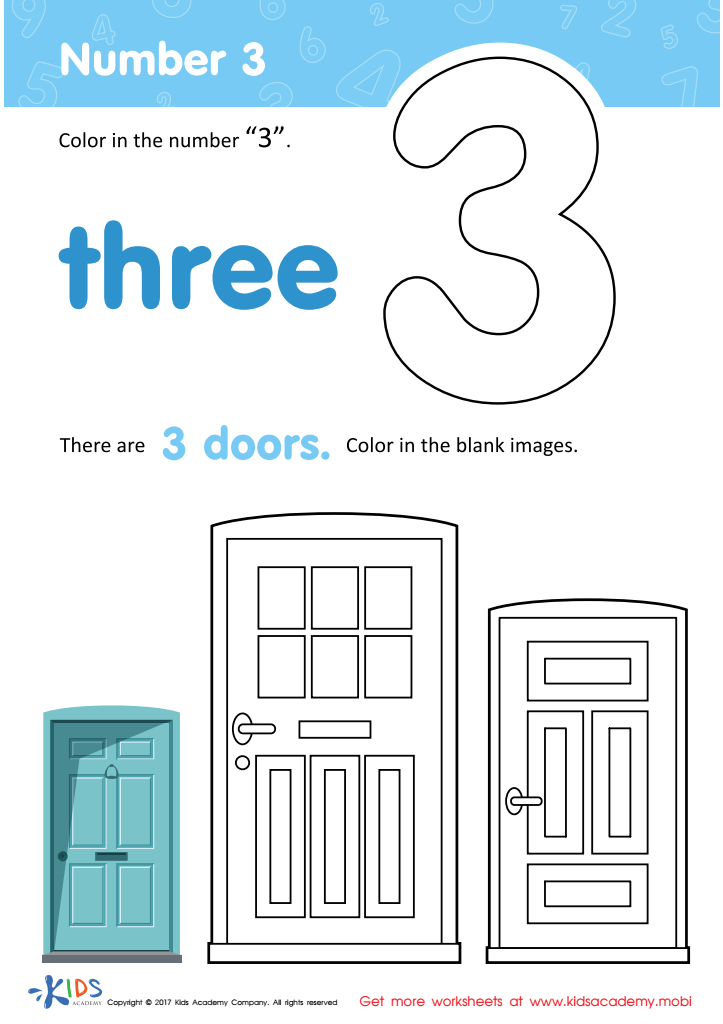
Number 3 Worksheet
Assign to My Students








Counting practice with easy numbers 0-10 is crucial for children aged 4-8 for several reasons. First, it lays the foundation for mathematical understanding. Early exposure to counting helps children develop number sense, which establishes their ability to recognize quantities and understand more complex math concepts in the future.
Second, counting nurtures critical cognitive skills, such as problem-solving and logical reasoning. As children learn to count, they also begin to grasp organizational skills and pattern recognition, enhancing their overall cognitive development.
Moreover, counting practice increases confidence in young learners. When children master counting, they feel empowered, which motivates them to tackle more challenging concepts. Engaging in counting through fun activities and games can also make learning enjoyable, ensuring that children remain enthusiastic about mathematics.
Finally, building a solid counting foundation strengthens the home-school connection. Parents can engage in counting activities with their children, fostering interactive learning and strengthening relationships. Overall, counting practice with numbers 0-10 promotes essential skills in a fun and interactive way, ensuring that children are ready for their future academic pursuits. Therefore, it is essential for both parents and teachers to prioritize this preliminary phase of learning.