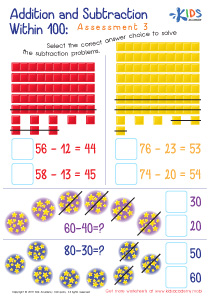
Understanding sequencing Easy Numbers 0–10 Worksheets for Ages 4-8
3 filtered results
-
From - To
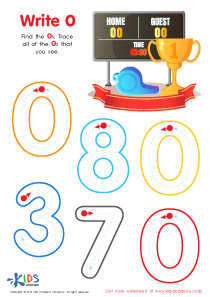
"Understanding Sequencing Easy Numbers 0-10 Worksheets for Ages 4-8" are specially designed to enhance number recognition and sequencing skills in young learners. These fun and engaging worksheets help children in four interactive steps: identifying numbers, arranging them in sequence, tracing, and filling in missing numbers, promoting hands-on practice and critical thinking. Perfect for preschool to early elementary students, these activities provide a solid foundation in early math while developing cognitive and fine motor skills. Boost your child's confidence and prepare them for more advanced concepts through vibrant, easy-to-follow exercises that make learning numbers an enjoyable adventure.
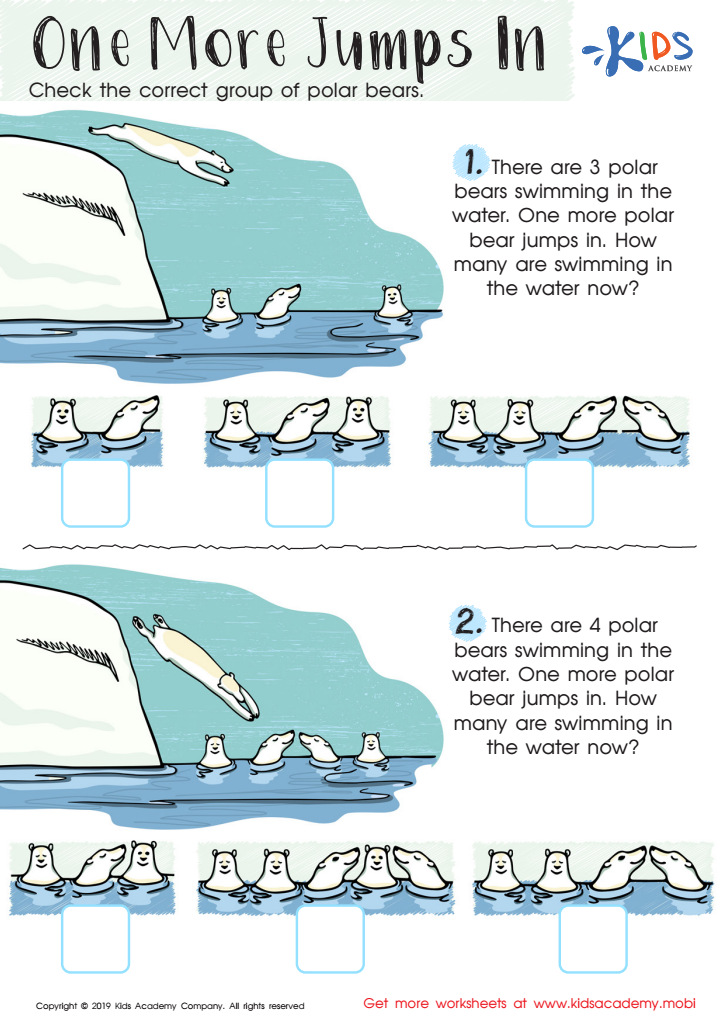
One More Jumps In Worksheet
 Assign to My Students
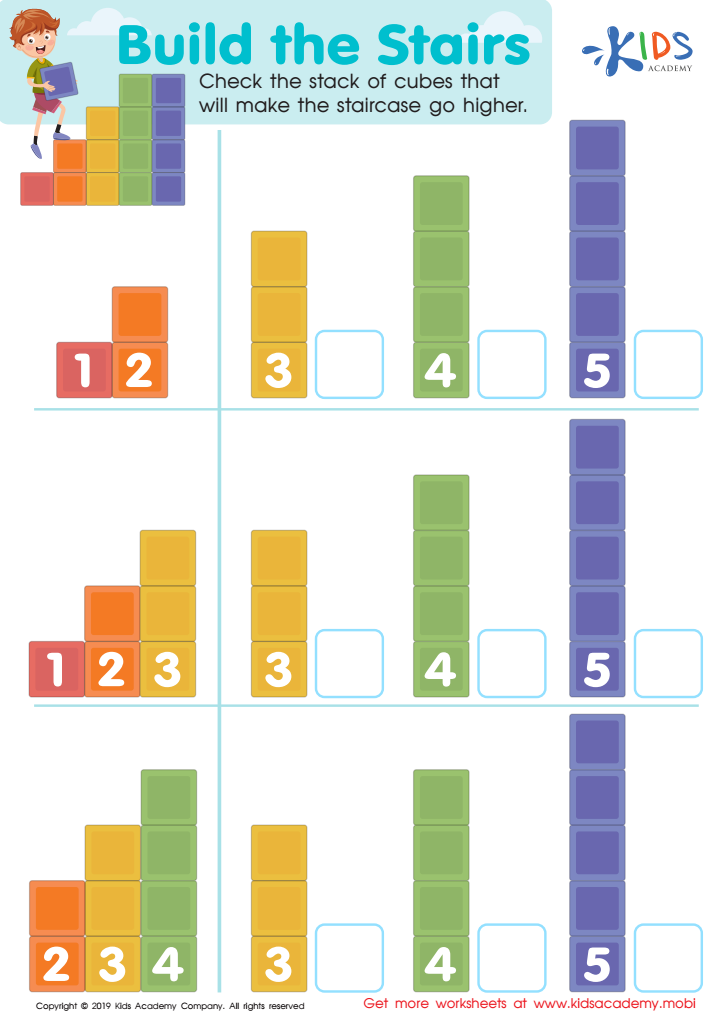
Build the Stairs Worksheet
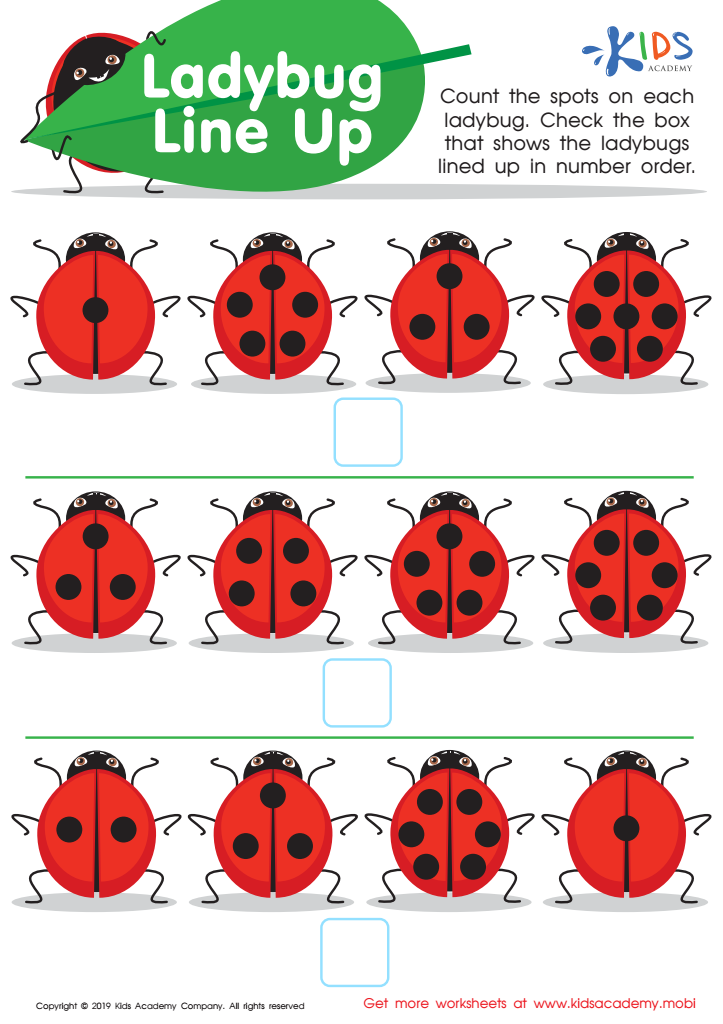
Ladybug Line Up Worksheet








Understanding sequencing in easy numbers 0-10 is foundational for young children aged 4-8, paving the way for broader numeracy and cognitive skills. Sequencing refers to the ability to arrange numbers in a logical, ordered way, which is crucial for learning more complex mathematical concepts, such as addition, subtraction, ordering, and pattern recognition.
For parents and teachers, fostering sequencing skills in this age group can have several benefits. Firstly, it aids in the development of logical thinking and problem-solving abilities. When children recognize that numbers follow a specific order, they begin to understand that life and learning often follow patterns, which enhances both academic and real-life decision-making skills.
Secondly, early grasp of number sequencing bolsters memory skills. Recalling the order helps children improve their short-term and long-term memory, essential for various learning processes.
Lastly, recognizing and enjoying successes in sequencing numbers builds confidence and fosters a positive attitude towards learning mathematics. This can lead to greater engagement and willingness to tackle more challenging concepts down the line.
By ensuring young kids understand number sequencing, parents and teachers lay a solid foundation for more advanced mathematical skills and cognitive development, enabling children to approach future learning experiences with confidence and competence.