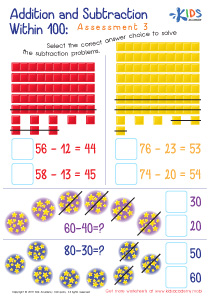
Writing practice Easy Numbers 0–10 Worksheets for Ages 4-8
4 filtered results
-
From - To
Our "Writing Practice Easy Numbers 0–10 Worksheets" are perfect for children aged 4-8 to develop foundational math skills. Designed to be fun and engaging, these worksheets guide young learners in tracing and writing numbers 0 to 10. Each activity focuses on building fine motor skills and number recognition while encouraging correct numeral formation. Ideal for preschool and early elementary students, these printables support both classroom learning and homeschool curricula. Give your child the best start in their math journey with our easy-to-follow and educational number writing practice worksheets! Download now for free and start learning in a fun way!
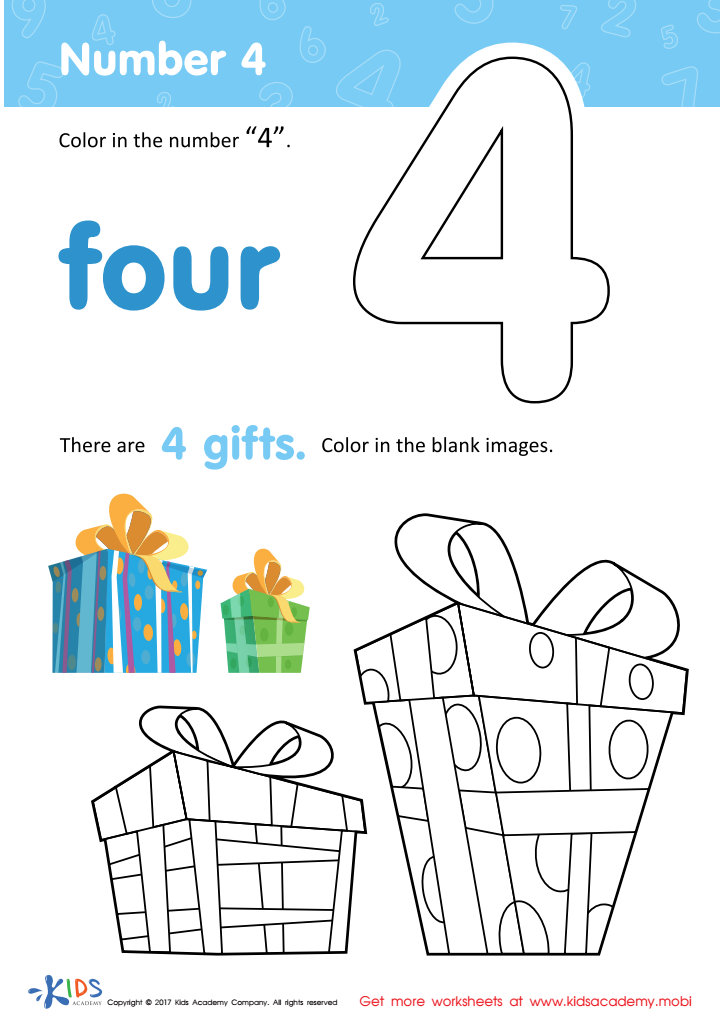
Number 4 Printable
 Assign to My Students
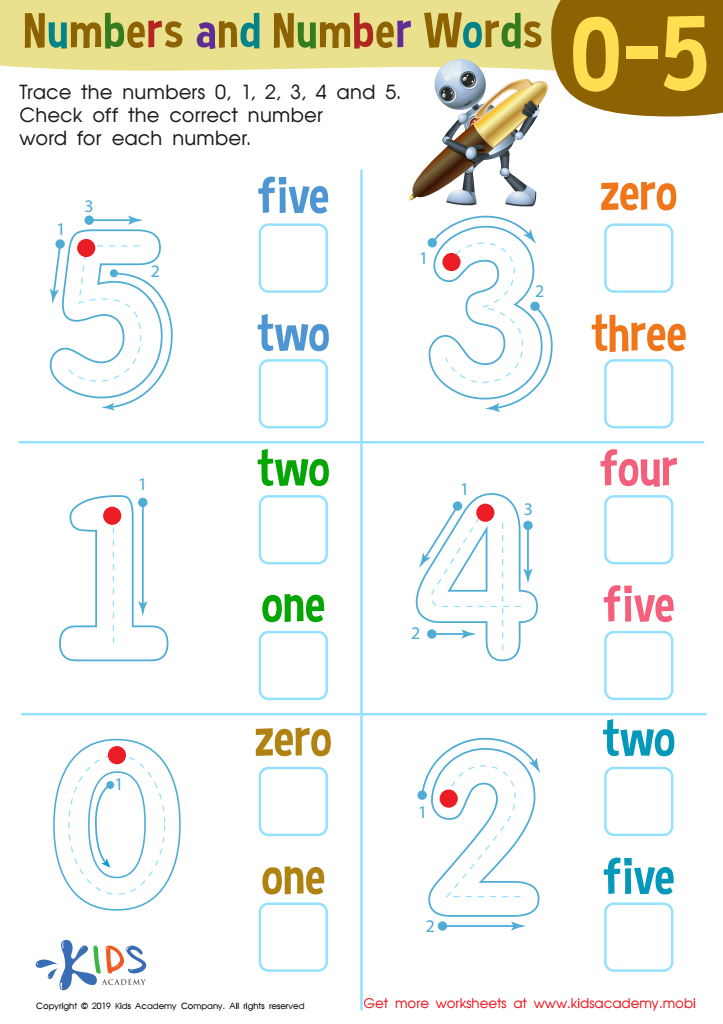
Numbers and Number Words Worksheet
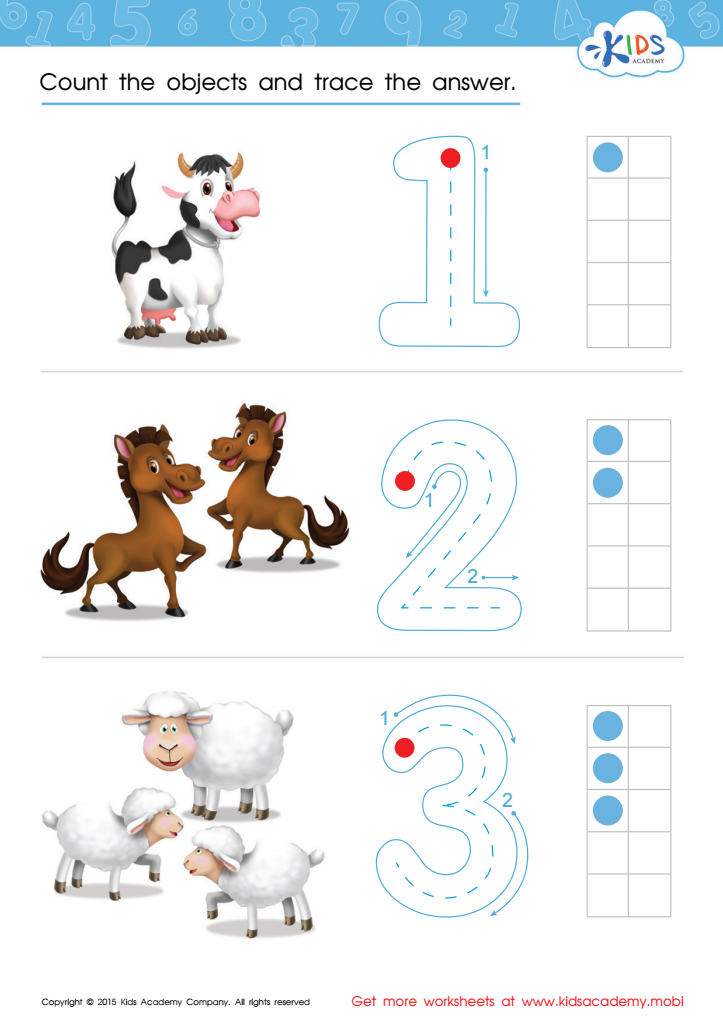
Count and Trace 1 – 3 Worksheet
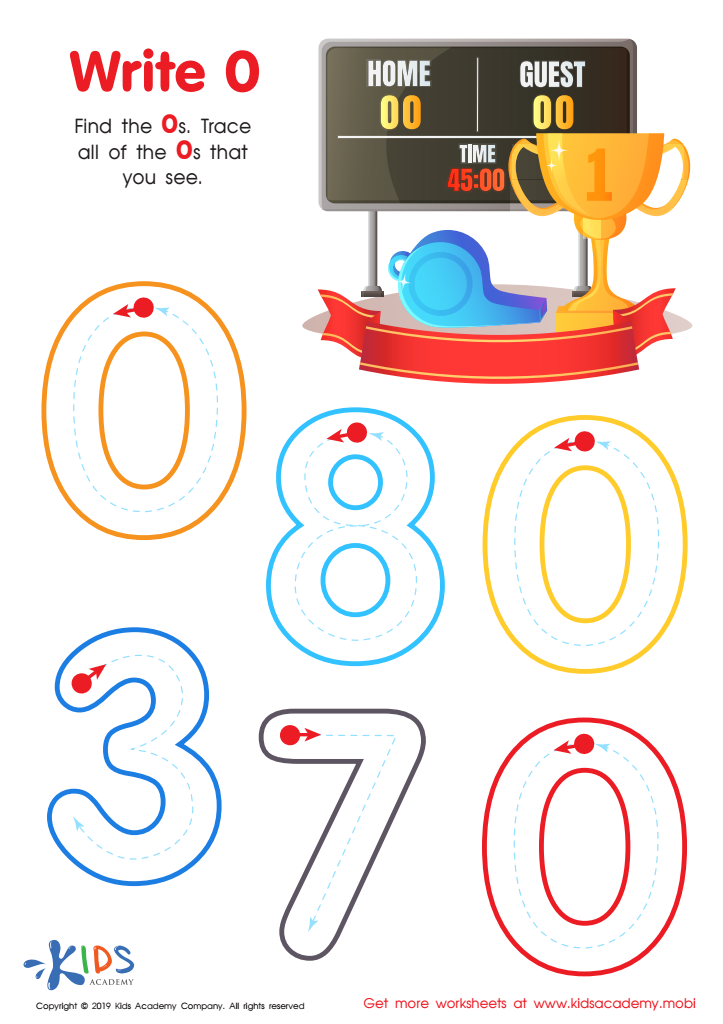
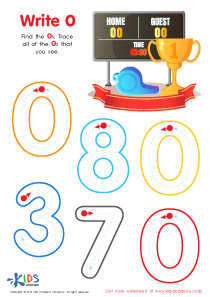
Write 0 Worksheet








Writing practice for numbers 0–10 is fundamental for children aged 4-8, and both parents and teachers should emphasize it. This practice develops their basic numerical literacy, which is essential for more advanced math skills. Learning to write numbers accurately can help in recognizing them, thus aiding early counting, addition, and subtraction tasks.
Moreover, writing numbers strengthens fine motor skills. For young children, hand-eye coordination and muscle control required to form numbers neatly can translate to better handwriting overall, impacting their ability to express ideas clearly as they continue their education.
Consistency in writing practice also promotes cognitive development. When children repeatedly write numbers, they build neural pathways that make number recognition and recall quicker and more automatic. This automaticity is vital as children undertake more complicated math operations in higher grades.
Furthermore, writing numbers encourages focus and patience. These skills are beneficial beyond math, helping children with comprehensive learning habits. Additionally, achieving mastery instills a sense of accomplishment and confidence in children, fostering a positive relationship with learning.
Finally, early intervention often brings prevention of common issues. Identifying and correcting any difficulties with number formation early can avert potential learning challenges, ensuring children are prepared for the increasingly complex education landscape ahead. Teachers and parents facilitating such practices set a strong educational foundation for their children.