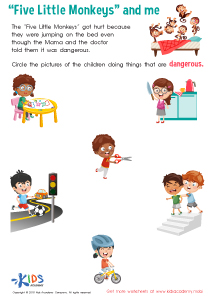
Cognitive Development Easy Building Vocabulary Worksheets for Ages 4-8
4 filtered results
-
From - To
Discover a treasure trove of engaging Cognitive Development Easy Building Vocabulary worksheets designed specifically for children aged 4-8! These worksheets are expertly crafted to enhance language skills while promoting critical thinking and comprehension. Tailored to support young learners, each activity encourages exploration and a love for words through fun, interactive exercises. Children will enjoy identifying images, matching words, and completing sentences, all while nurturing their vocabularies and cognitive growth. Perfect for teachers, parents, or tutors, these resources provide a foundation for lifelong learning and linguistic proficiency. Start fostering your child's vocabulary mastery today with our playful and effective worksheets!
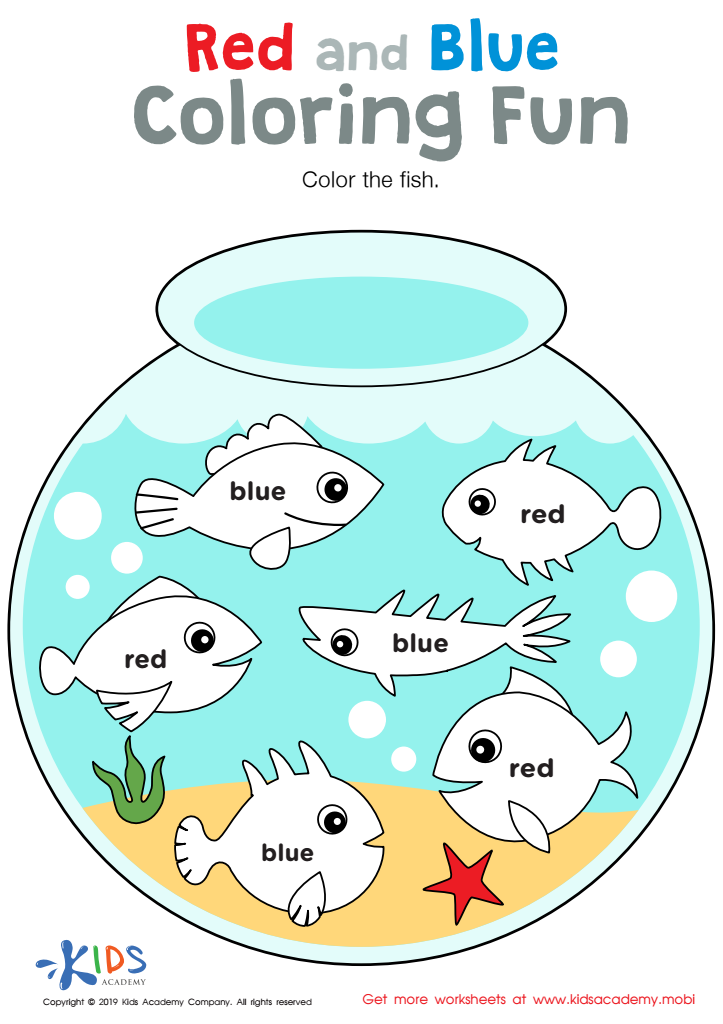
Red and Blue Coloring Fun Worksheet
 Assign to My Students











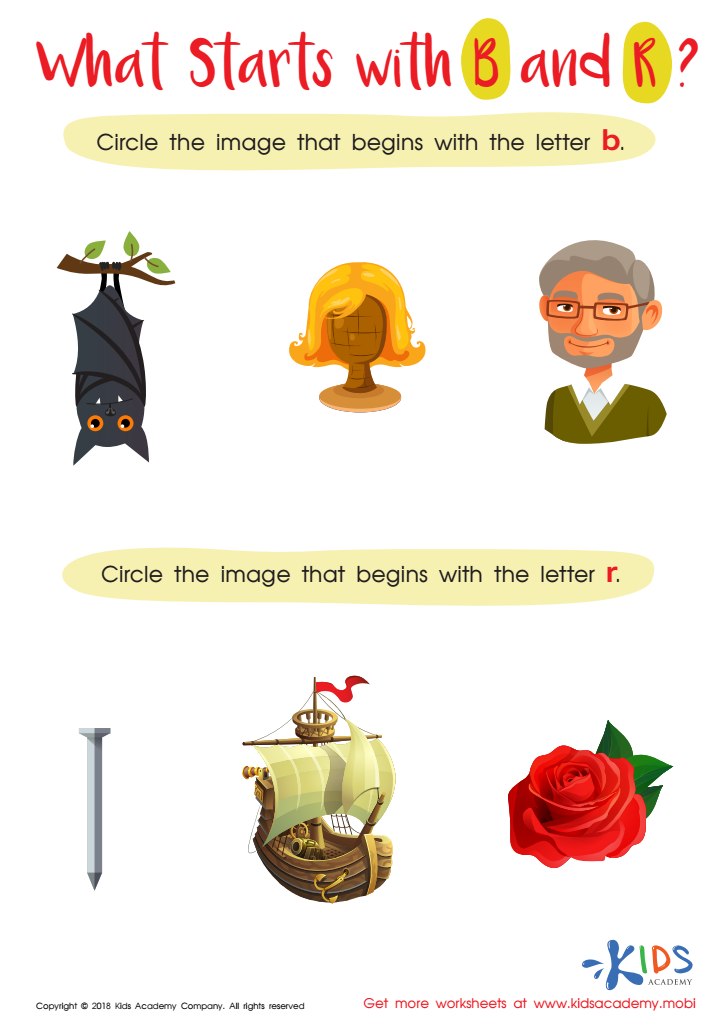
What Starts with B and R? Worksheet
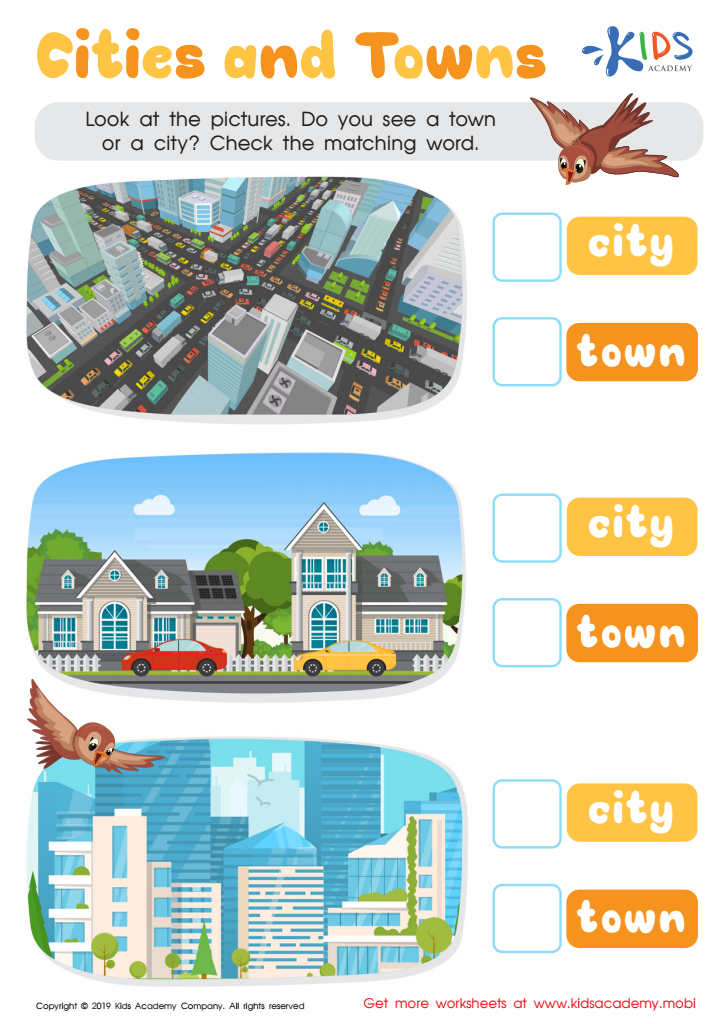
Cities and Towns Worksheet
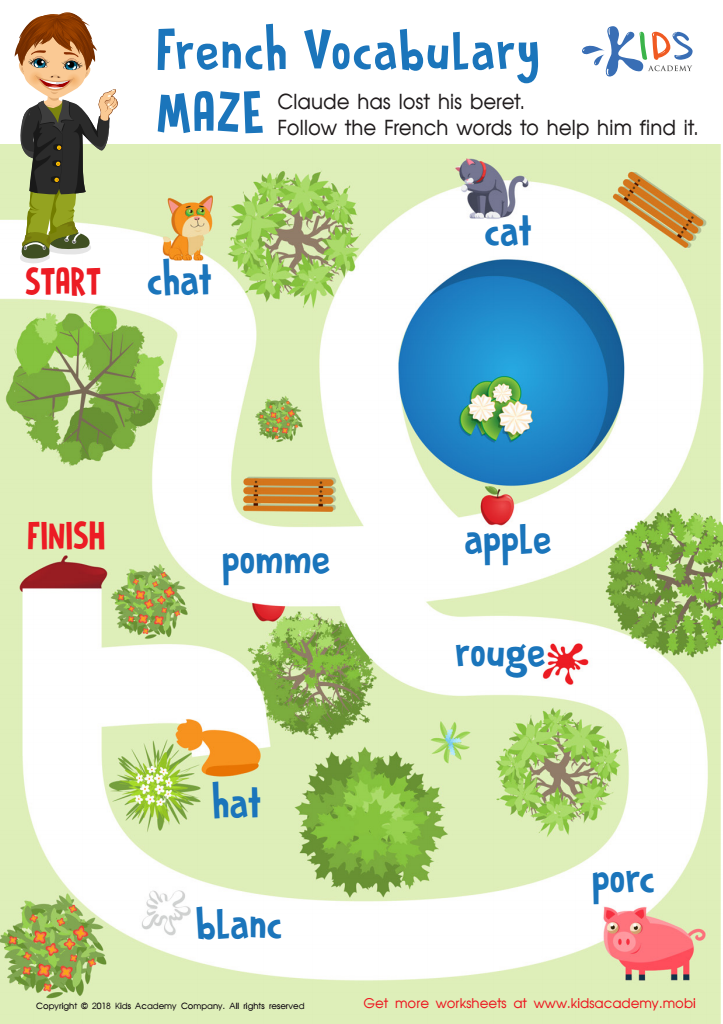
French Vocabulary Maze Worksheet




.jpg)
.jpg)


Cognitive development is crucial for children's overall growth, especially when it comes to language and vocabulary building. For children ages 4-8, expanding their vocabulary lays the foundation for effective communication and comprehension skills. Parents and teachers should care about this developmental aspect because a rich vocabulary contributes not only to academic success but also to social interactions and emotional expression.
At this stage, children are highly curious and adaptable, making it an ideal time to introduce new words and concepts. Engaging them through playful activities, such as storytelling, songs, and games, allows for natural vocabulary enhancement. Moreover, a robust vocabulary helps children articulate their thoughts and feelings, fostering better relationships with peers and adults.
Additionally, strong vocabulary skills are linked to better reading comprehension, which is vital for future learning. When children encounter new words early, they become more confident readers, which motivates them to explore new ideas and knowledge. As such, increased focus on cognitive development and vocabulary during ages 4-8 can empower children to thrive both academically and socially, setting the stage for lifelong learning and communication skills. Therefore, it is essential for parents and teachers to prioritize this area of development.