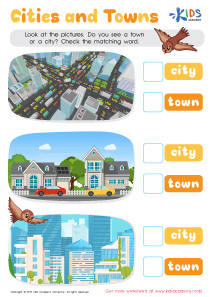
Number Recognition Easy Reading Worksheets for Ages 4-8
5 filtered results
-
From - To
Explore our engaging Number Recognition Easy Reading Worksheets designed for ages 4-8! These carefully crafted resources help young learners develop essential number recognition skills through fun activities. Our worksheets feature vibrant illustrations and simple exercises that encourage children to practice identifying and writing numbers, enhancing their literacy and numeracy. Ideal for home or classroom use, these worksheets support early math development while keeping learning enjoyable. With varying levels of difficulty, they cater to different learning paces, allowing every child to flourish. Download our worksheets today and watch your child's confidence grow as they master number recognition in no time!
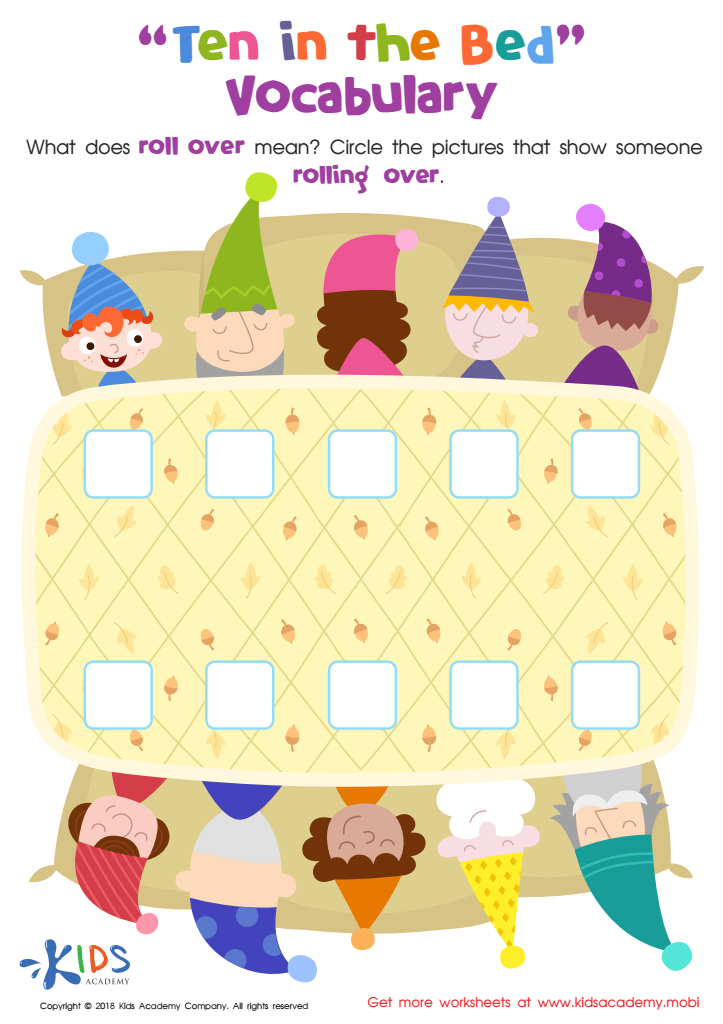
Ten in the Bed: Vocabulary Worksheet
 Assign to My Students
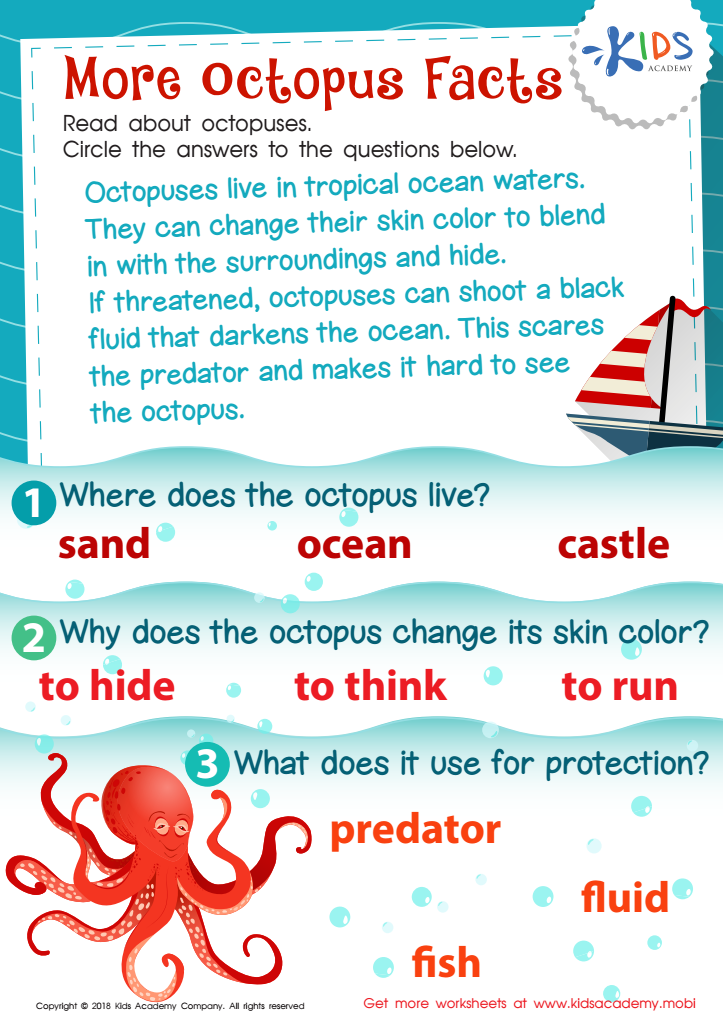
More Octopus Facts Worksheet
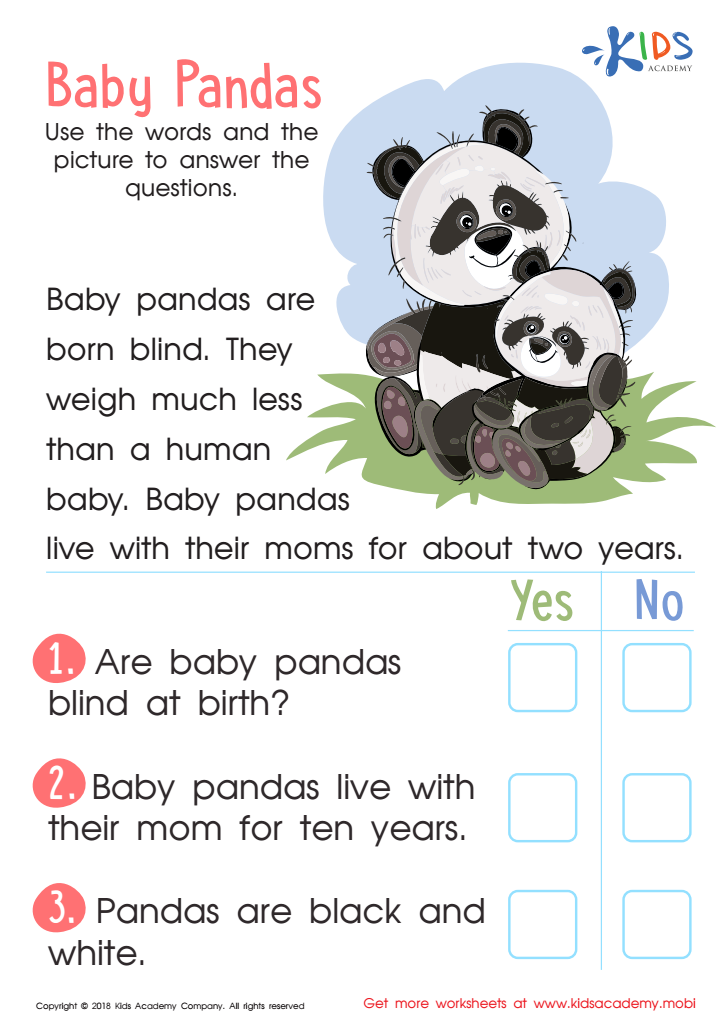
Baby Pandas Worksheet
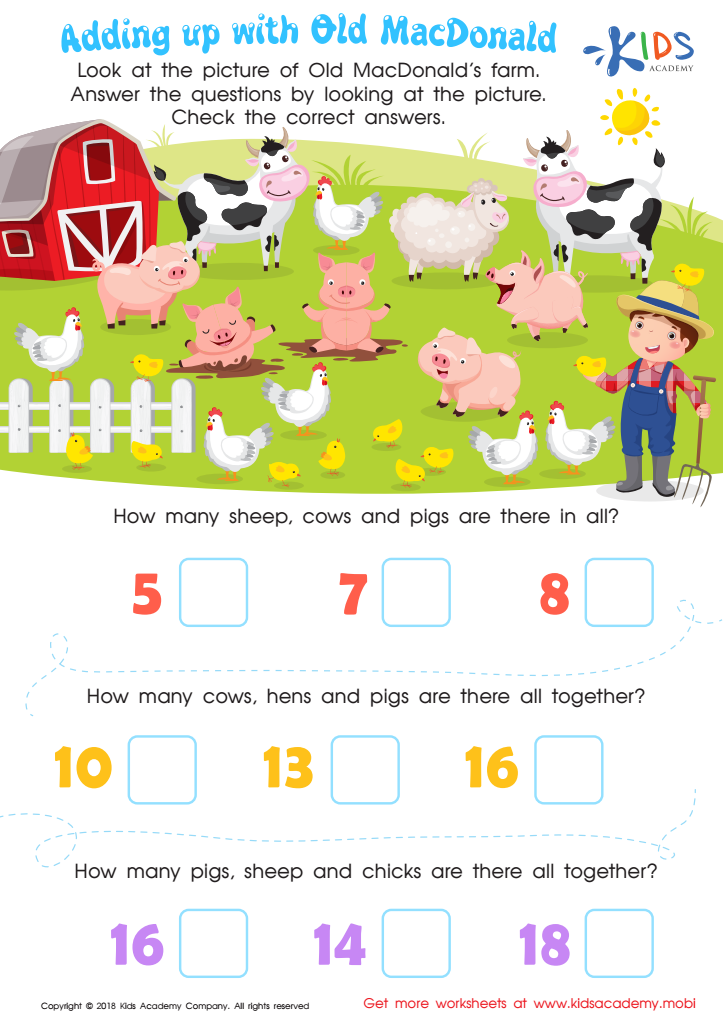
Adding Up with Old MacDonald Worksheet
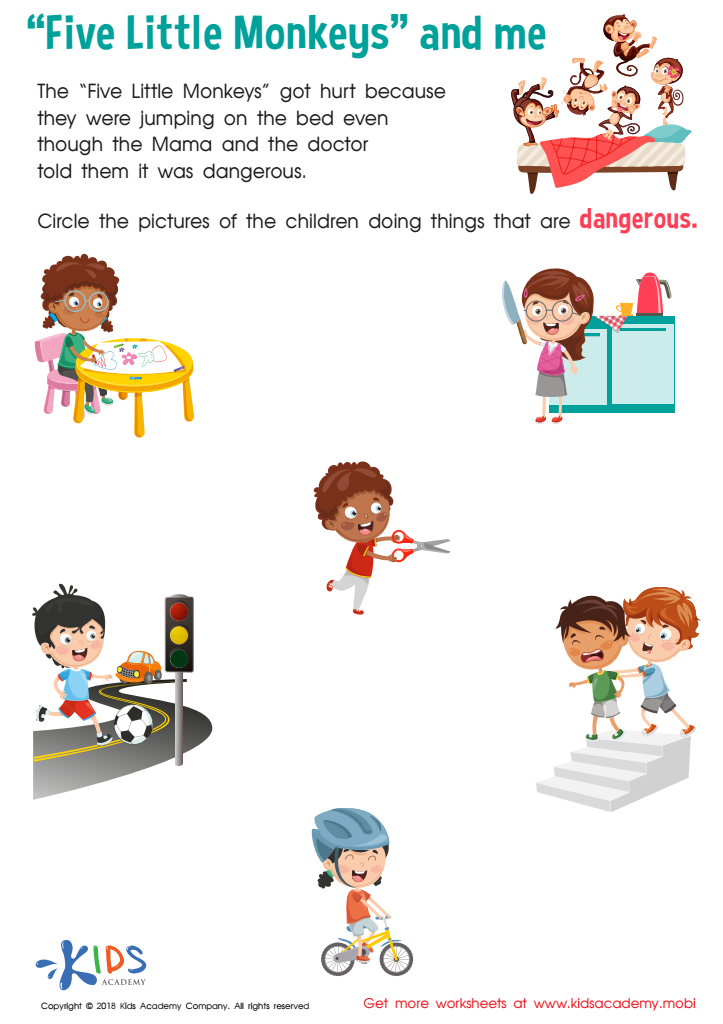
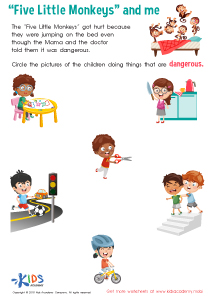
Five Little Monkeys and Me Worksheet








Number recognition and literacy are crucial foundational skills for children aged 4-8, leading to significant long-term academic success. When parents and teachers prioritize number recognition and easy reading, they help foster a well-rounded development in young learners. Children in this age group are naturally curious, and engaging them in number recognition helps them make sense of the world around them. It promotes not only mathematical understanding but also critical thinking and problem-solving abilities.
Learning numbers enhances a child's capacity to grasp basic math concepts, which are essential for everyday life, such as telling time, counting money, or managing resources. Additionally, exposure to easy reading materials enriches vocabulary, promotes comprehension, and instills a love for books, fostering a positive attitude towards learning.
Moreover, both skills are interconnected; for instance, understanding numerical concepts can aid in understanding graphs or data in reading. As children master these prior skills, they build confidence in their academic abilities. Active involvement from parents and teachers in supporting this development nurtures communication, reinforces learning at home and school, and lays a solid foundation for future educational pursuits. Ultimately, investing in number recognition and literacy helps children thrive cognitively and socially.