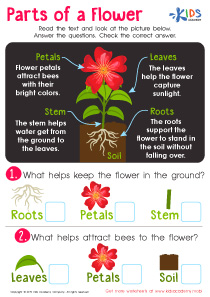
Sequencing Skills Easy Reading Fiction Worksheets for Ages 4-8
3 filtered results
-
From - To
Enhance your child's reading comprehension with our Sequencing Skills Easy Reading Fiction Worksheets designed specifically for ages 4-8. These engaging and age-appropriate worksheets help young learners develop crucial sequencing abilities by guiding them to understand the order of events in fun, fictional stories. With colorful illustrations and relatable themes, children will enjoy tracing story progression while improving their critical thinking and reading comprehension. Perfect for home or classroom use, our resources are tailored to support early literacy development, making learning enjoyable and effective. Explore our collection today and watch your child build a strong foundation in reading skills!
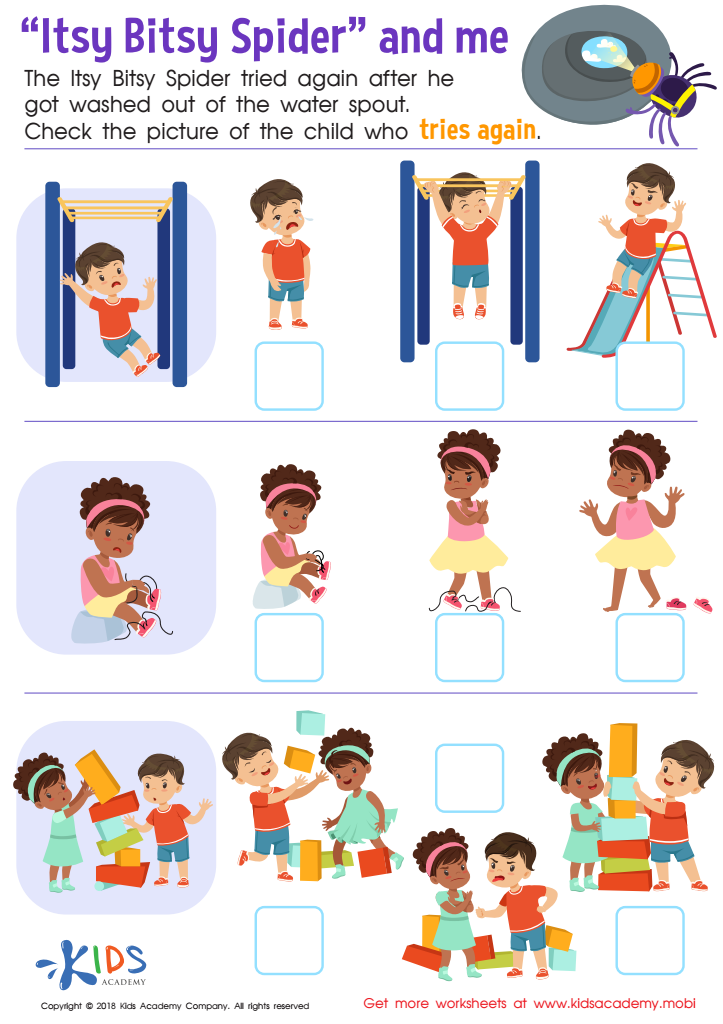
Itsy Bitsy Spider and Me Worksheet
 Assign to My Students
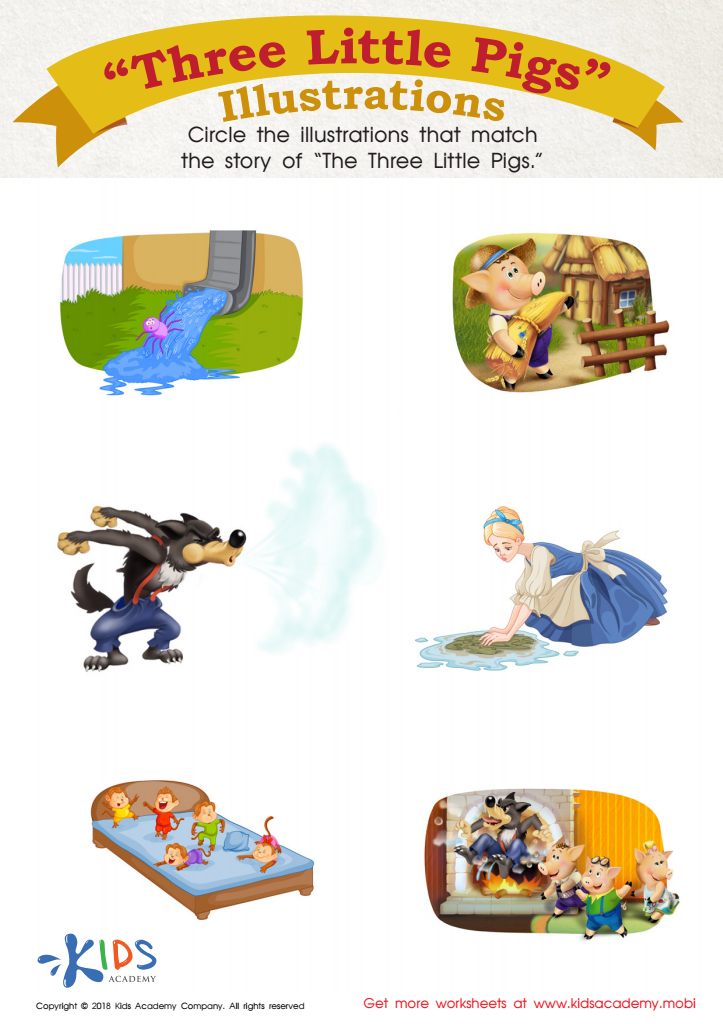
Three Little Pigs: Illustrations Worksheet
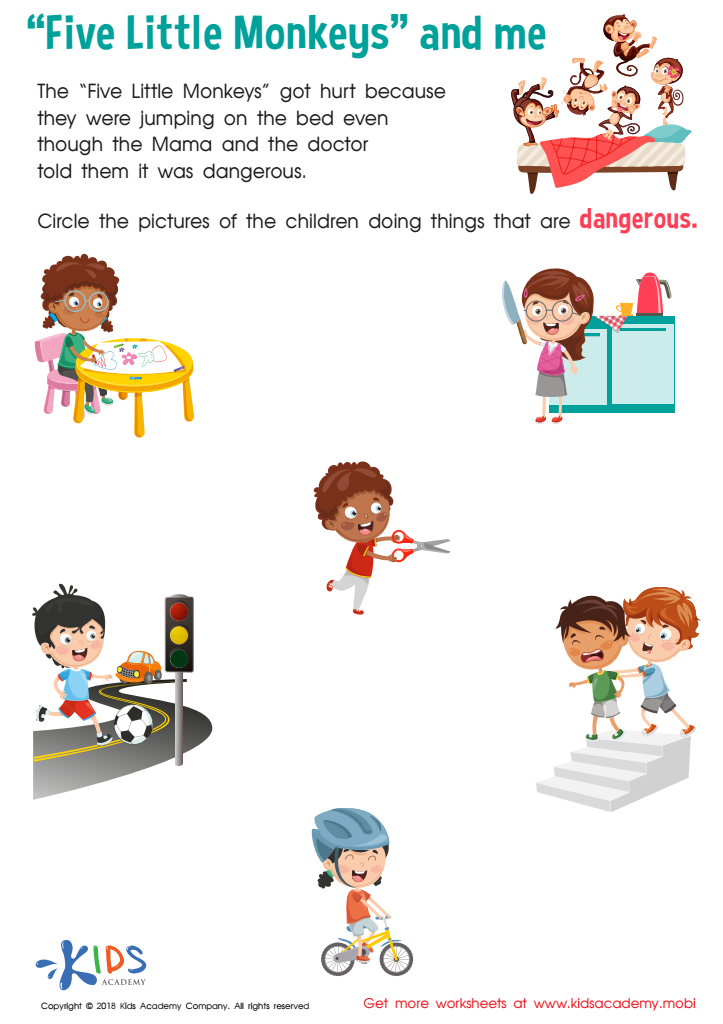
Five Little Monkeys and Me Worksheet






.jpg)

Sequencing skills are crucial for early literacy development in children aged 4-8, making them an essential focus for both parents and teachers. These skills help children understand the structure of stories, allowing them to grasp the sequence of events and comprehend narratives more effectively. Strong sequencing abilities enable children to predict what might happen next in a story, which fosters their critical thinking and enhances their overall reading comprehension.
Moreover, sequencing is foundational for speaking and writing skills. As children learn to articulate the order of events in a story, they build a framework for expressing their own experiences and thoughts. This skill also aids in organizing information, which is beneficial as they progress through more complex literary materials.
Engaging young readers with easy reading fiction encourages a love for stories while simultaneously developing their sequencing abilities. This interactive approach motivates kids, making learning enjoyable and relatable. When parents and teachers prioritize these skills, they promote a well-rounded literacy foundation, empowering children to become confident readers and communicators. By fostering strong sequencing skills, adults can help spark creativity and improve cognitive development, setting the stage for lifelong learning.