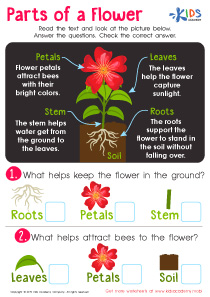
Story sequencing Easy Reading Fiction Worksheets for Ages 4-8
3 filtered results
-
From - To
Discover our fun and engaging "Story Sequencing Easy Reading Fiction Worksheets for Ages 4-8"! These printable resources help young readers develop essential skills by arranging stories in logical order. Perfect for early learners, the worksheets enhance comprehension, build narrative skills, and boost confidence. Each activity offers a delightful mix of simple stories and vibrant illustrations, making learning enjoyable. Clear instructions and age-appropriate challenges ensure every child can progress at their own pace. Ideal for classroom and home use, our story sequencing worksheets are a valuable tool in nurturing a lifelong love for reading and storytelling!
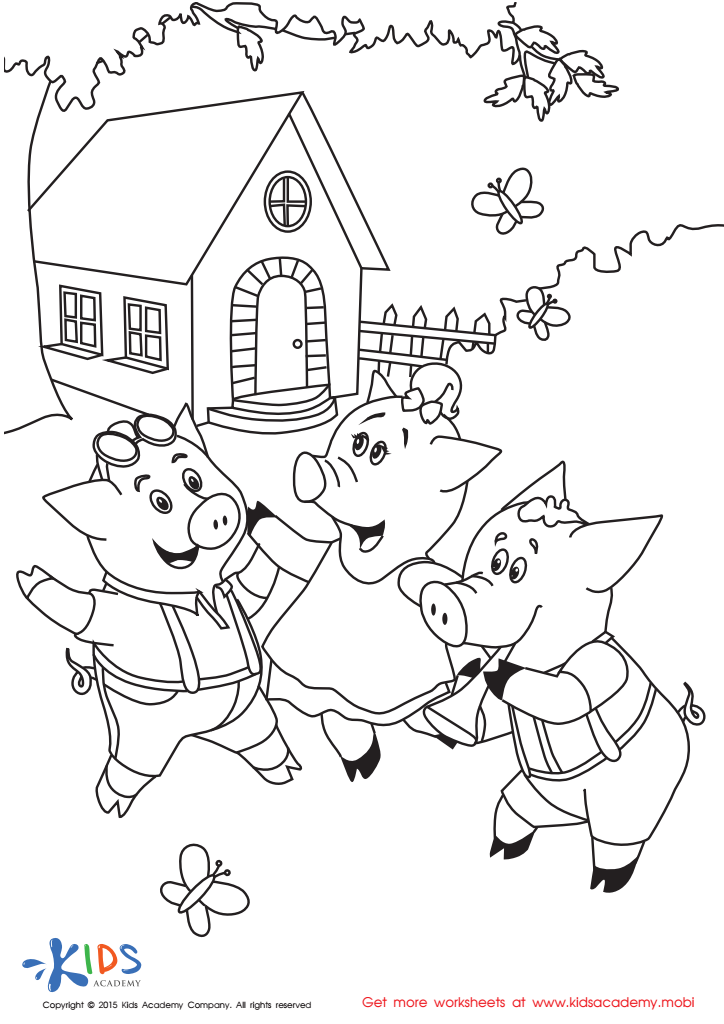
Folktales Printable PDF Worksheet: The 3 Little Pigs
 Assign to My Students
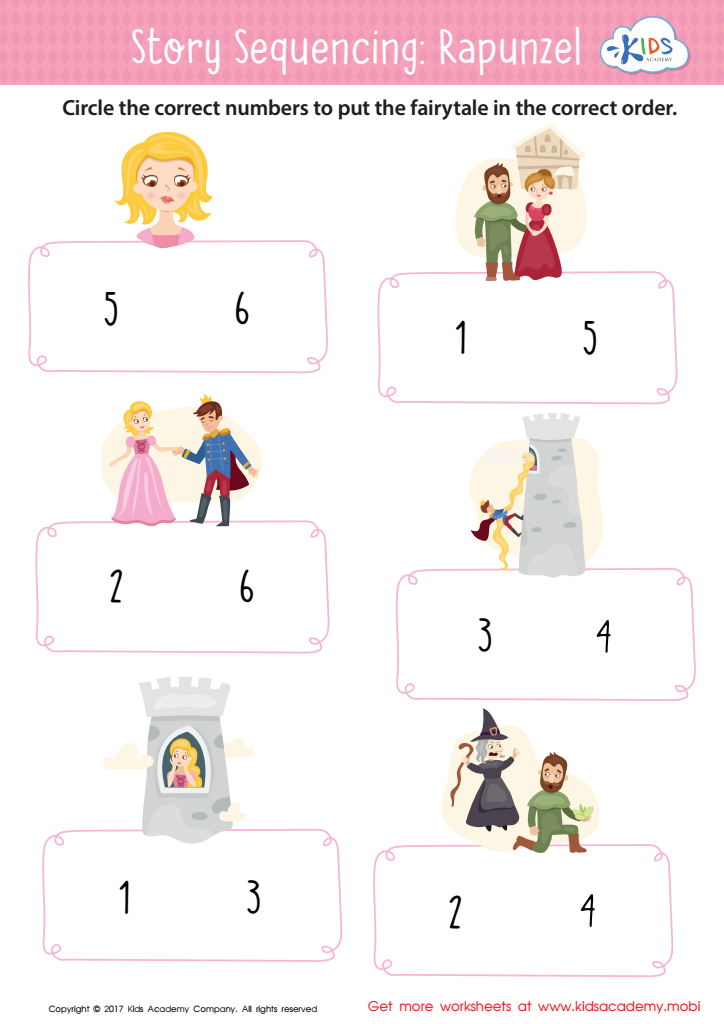
Rapunzel Story Sequencing Worksheet
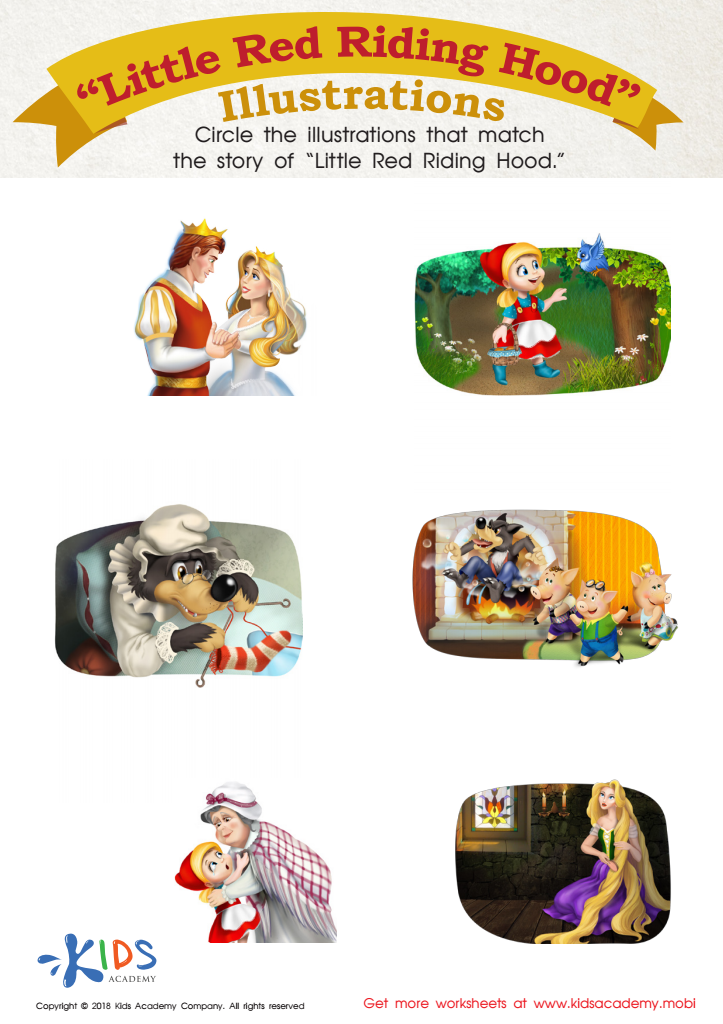
Little Red Riding Hood: Illustrations Worksheet







Story sequencing is a crucial skill for young children aged 4-8, as it helps develop their reading comprehension, logical thinking, and narrative abilities. Parents and teachers should care about story sequencing in easy reading fiction because it lays the groundwork for essential cognitive and academic skills. By understanding the order of events in a story, children learn how to recognize cause and effect, make predictions, and understand the plot structure, all of which are fundamental for reading comprehension.
Moreover, sequencing helps children develop their ability to organize information logically, a skill that is transferable to other areas of learning, such as math and science. It promotes critical thinking and improves their ability to follow instructions and solve problems. Story sequencing also nurtures creativity and storytelling skills as children begin to understand how to craft their own narratives with a clear beginning, middle, and end.
Engaging with sequenced stories can also enhance vocabulary and language skills, as children are exposed to coherent and contextually rich words and sentences. For parents and teachers, focusing on story sequencing can be a fun and interactive way to build an early foundation for lifelong learning and literacy. Whether through picture books, read-aloud sessions, or interactive activities, ensuring that children grasp sequencing concepts early on sets them up for future academic success and an enduring love for reading.