Fine Motor Skills Easy Science Worksheets for Ages 4-8
4 filtered results
Difficulty Level
Grade
Age
-
From - To
Subject
Activity
Standards
Our "Fine Motor Skills Easy Science Worksheets for Ages 4-8" blend fun with essential learning. Tailored for young learners, these activities help develop crucial fine motor skills like cutting, tracing, and coloring, all within engaging science themes. Each worksheet is designed to hold their interest with vibrant visuals and simple instructions, supporting cognitive growth and hand-eye coordination. Perfect for classroom use or at-home practice, these worksheets are a fantastic resource for building the basic foundations needed for future academic success. Download now from Kids Academy and watch your child’s motor skills and excitement for science flourish together.
Favorites
With answer key
Interactive
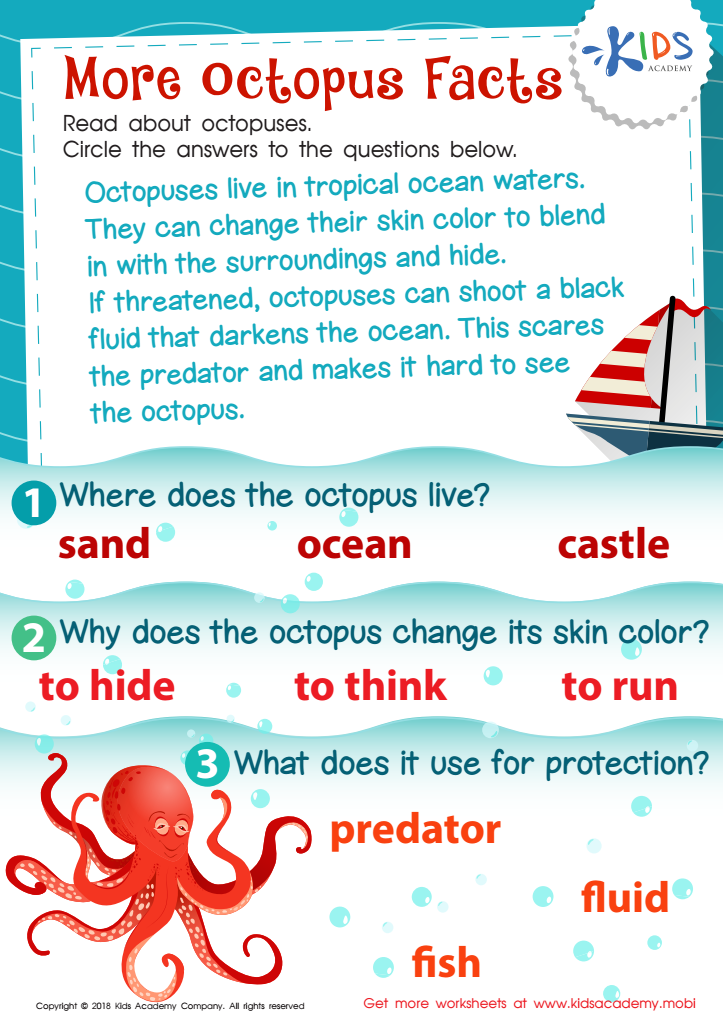
More Octopus Facts Worksheet
This worksheet will help your kids learn about the Octopus. Read the text carefully and have kids read with you. Now, ask them questions based on it and help them answer them by circling the right choices. Teaching your kids facts about animals will help them in the long run.
 Assign to My Students
More Octopus Facts Worksheet
Worksheet
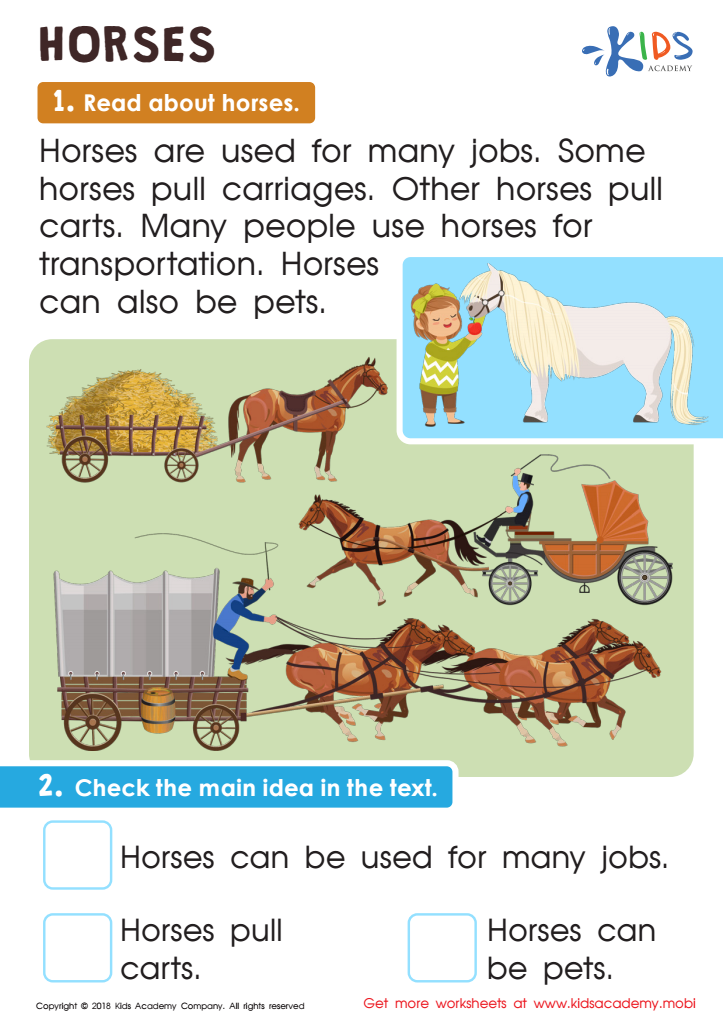
Horses Worksheet
Help your little reader differentiate between details and the main idea with this fun worksheet about horses. Kids will be excited to learn about the different roles horses play. To ensure they understand the overall concept, discuss it before having them choose the right statement at the end.
Horses Worksheet
Worksheet
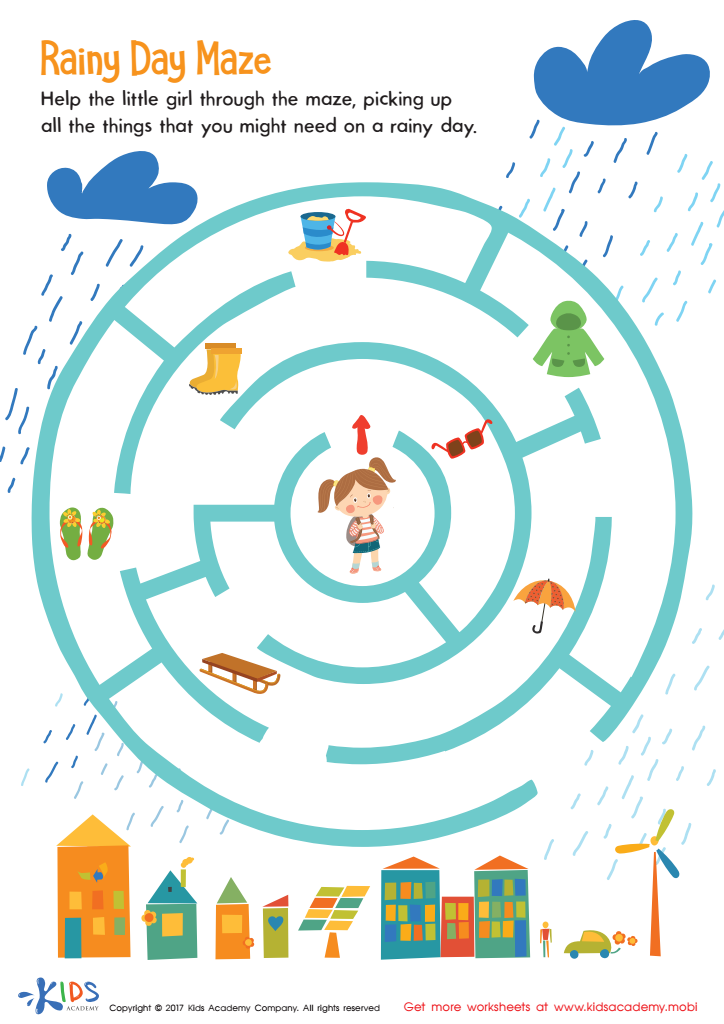
Rainy Day Maze Worksheet
Help your child use critical and problem solving skills to choose the right items! With this fun rainy day worksheet, they'll have a blast helping the character in the maze while learning about weather. Let’s get started!
Rainy Day Maze Worksheet
Worksheet
Join Kids Academy for Free
Who is primarily going to use this learning content?




.jpg)



Fine motor skills are crucial for children aged 4-8 as they form the foundation for a variety of life-long tasks, making it essential for parents and teachers to pay close attention to their development through engaging activities, including easy science experiments. Fine motor skills involve the coordination of small muscles, particularly in the hands and fingers, which are used for tasks such as writing, buttoning clothes, and using utensils. These skills are not only essential for daily activities but also for academic success, especially when children begin writing and using scissors.
Incorporating easy science activities into the learning process can make practicing fine motor skills enjoyable and more effective. For example, engaging in simple experiments like using tweezers to sort small items, or mixing ingredients in a small bowl, encourages precision and control. Additionally, hands-on science activities foster curiosity and problem-solving abilities, which are critical components of learning and cognitive development.
Furthermore, early development of proficient motor skills can boost a child’s confidence and independence, allowing them to tackle tasks with greater ease and less frustration. For teachers, understanding the importance of fine motor skills equips them to create a balanced curriculum that addresses physical, cognitive, and emotional development. Meanwhile, parents can support their child’s growth through playful yet purposeful home activities. Prioritizing fine motor skills sets a strong foundation for future educational and everyday tasks.