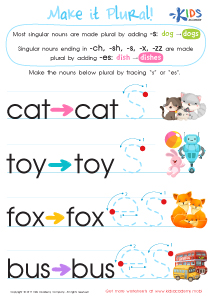
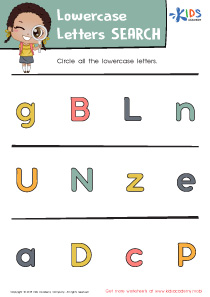
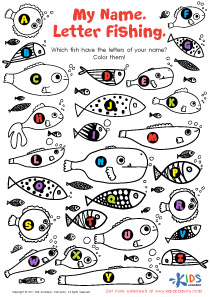
Writing practice Easy ABC Letters Worksheets for Ages 4-9
3 filtered results
-
From - To
Welcome to our "Writing Practice Easy ABC Letters Worksheets" designed specifically for children aged 4 to 9. These engaging worksheets provide a fun and effective way for young learners to develop their handwriting skills while familiarizing themselves with the alphabet. Each worksheet features clear letter formations, tracing exercises, and interactive activities that promote letter recognition and writing confidence. Ideal for both classroom use and at-home practice, our resources ensure a comprehensive learning experience. Help your child master the basics of writing in a playful, supportive environment where they can explore their creativity while building foundational literacy skills.
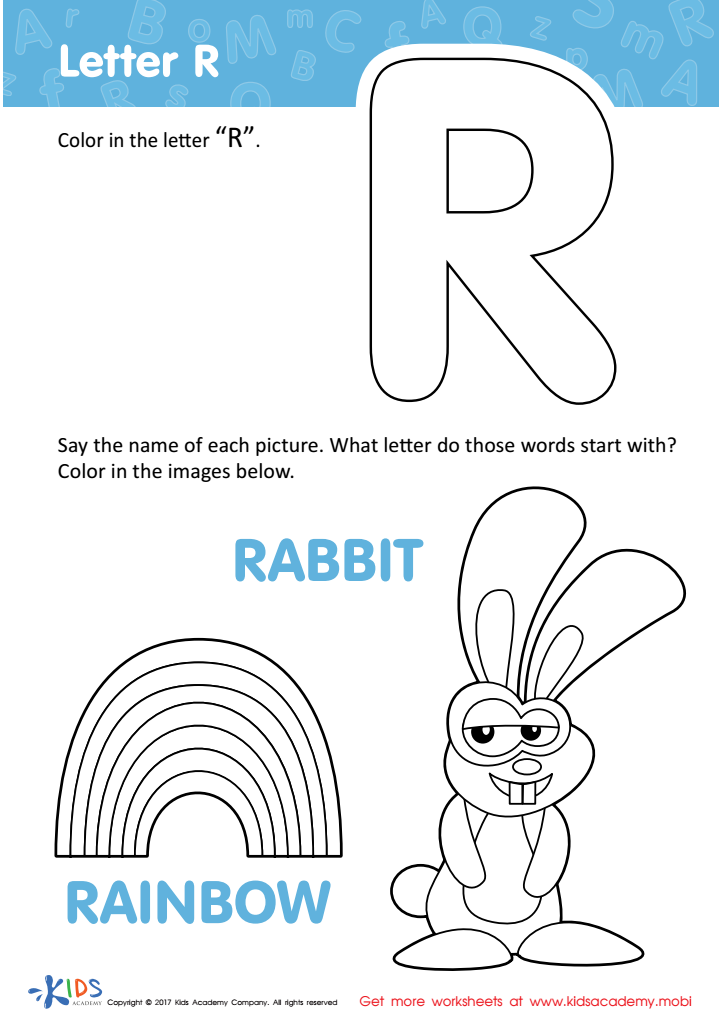
Letter R Coloring Sheet
 Assign to My Students






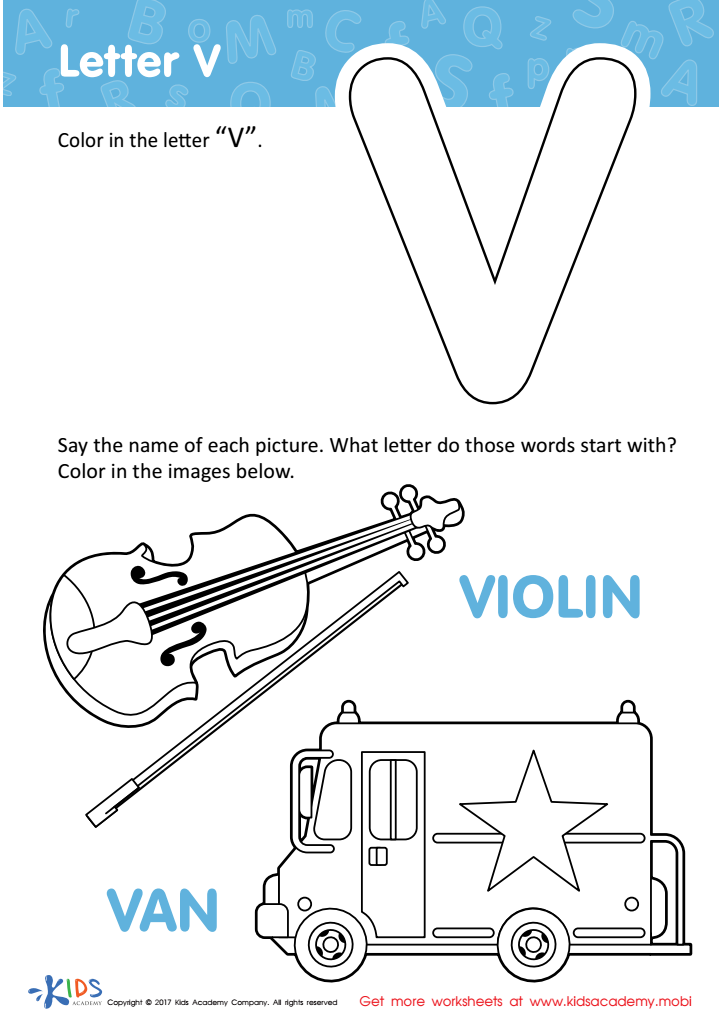
Letter V Coloring Sheet
Assign to My Students
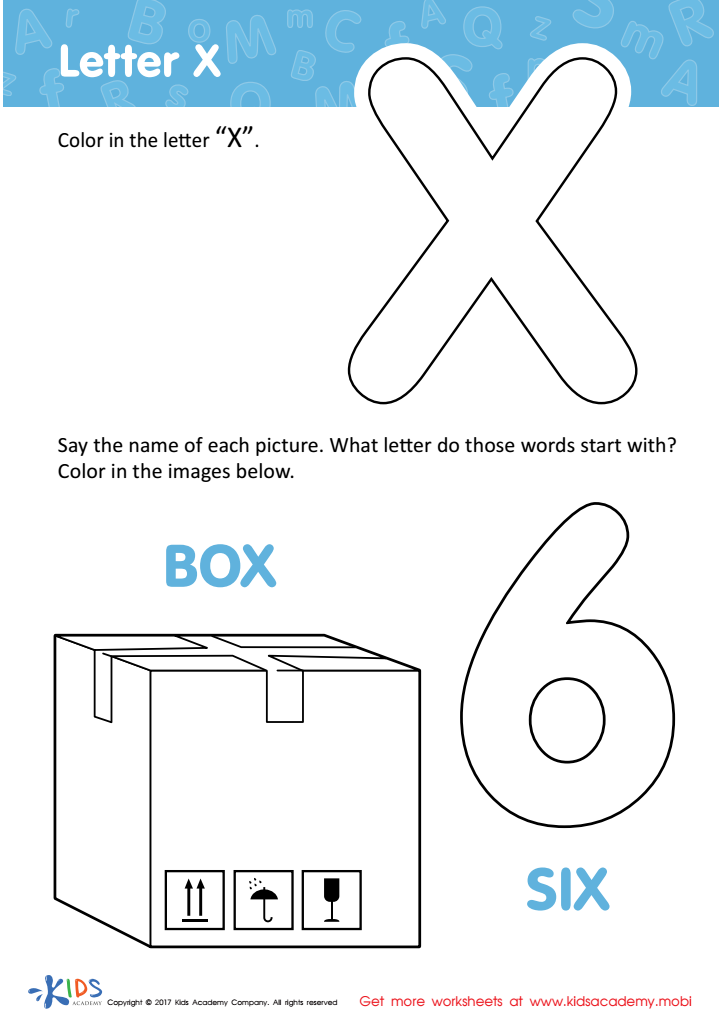
Letter X Coloring Sheet
Assign to My Students







Writing practice of easy ABC letters is crucial for children aged 4-9, and both parents and teachers should prioritize it for several reasons. First, mastering letter formation lays the foundation for effective literacy skills. Learning to write letters not only helps in reading but also supports phonetic awareness, which is vital for understanding how sounds correspond to letters and words.
Furthermore, writing practice enhances fine motor skills, crucial for children’s overall development. Holding a pencil, controlling movements, and coordinating hand-eye functions are all nurtured during this practice, setting the tone for future writing proficiency and tasks.
Engaging in early writing activities contributes to children's self-confidence. As they progress in their ability to form letters correctly, they feel a sense of accomplishment, motivating them to tackle more complex writing tasks. Additionally, writing exercises foster creativity. Children learn to express thoughts, ideas, and stories, cultivating their imaginations.
Moreover, structured writing practice underscores the importance of discipline and focus. It provides an opportunity for parents and educators to bond while reinforcing core learning objectives, paving the way for future academic success. Therefore, prioritizing writing practice is essential for holistic child development.