Writing practice Easy Letter Recognition Worksheets for Ages 4-9
3 filtered results
-
From - To
Welcome to our Writing Practice Easy Letter Recognition Worksheets! Designed for children ages 4-9, these engaging worksheets provide a fun and effective way for young learners to master letter recognition and improve their handwriting skills. Each worksheet features colorful illustrations and interactive activities that encourage children to identify and write both uppercase and lowercase letters. Perfect for homeschooling or classroom use, these resources foster fine motor skills and build confidence in early literacy. Explore our collection and watch your child enhance their letter recognition while enjoying the learning process. Start their writing journey today!
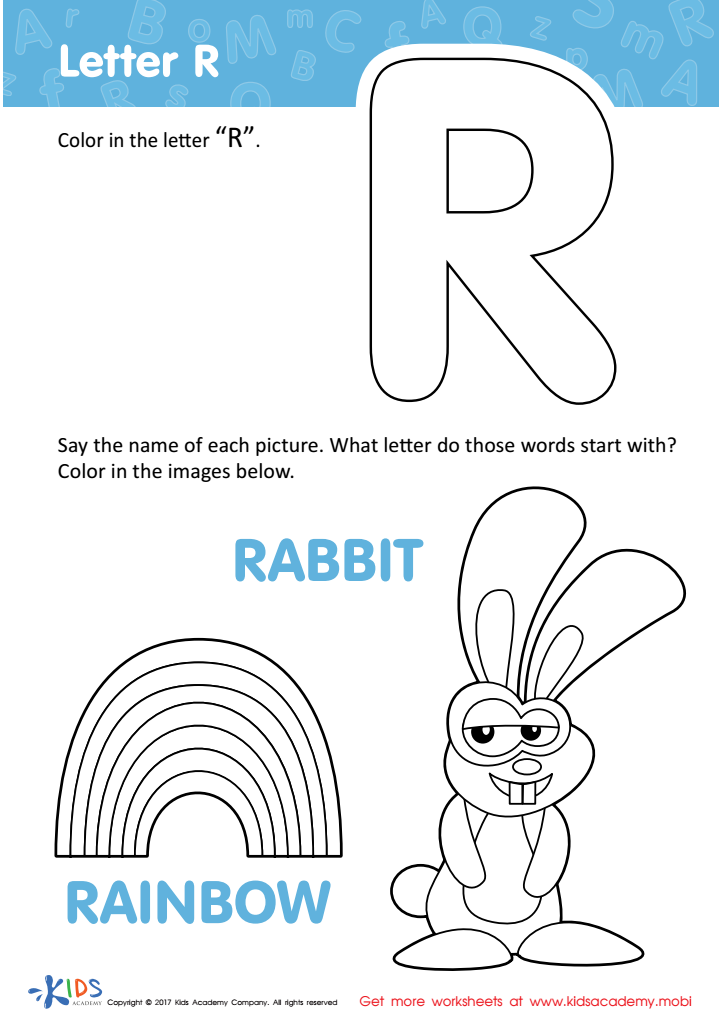
Letter R Coloring Sheet
 Assign to My Students
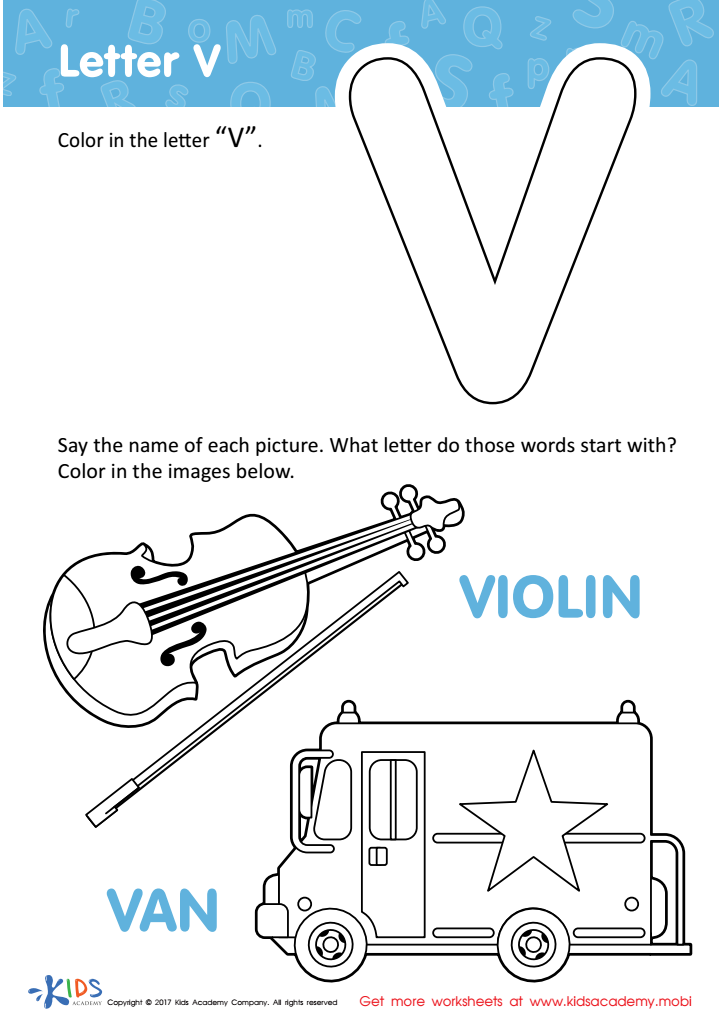
Letter V Coloring Sheet
Assign to My Students
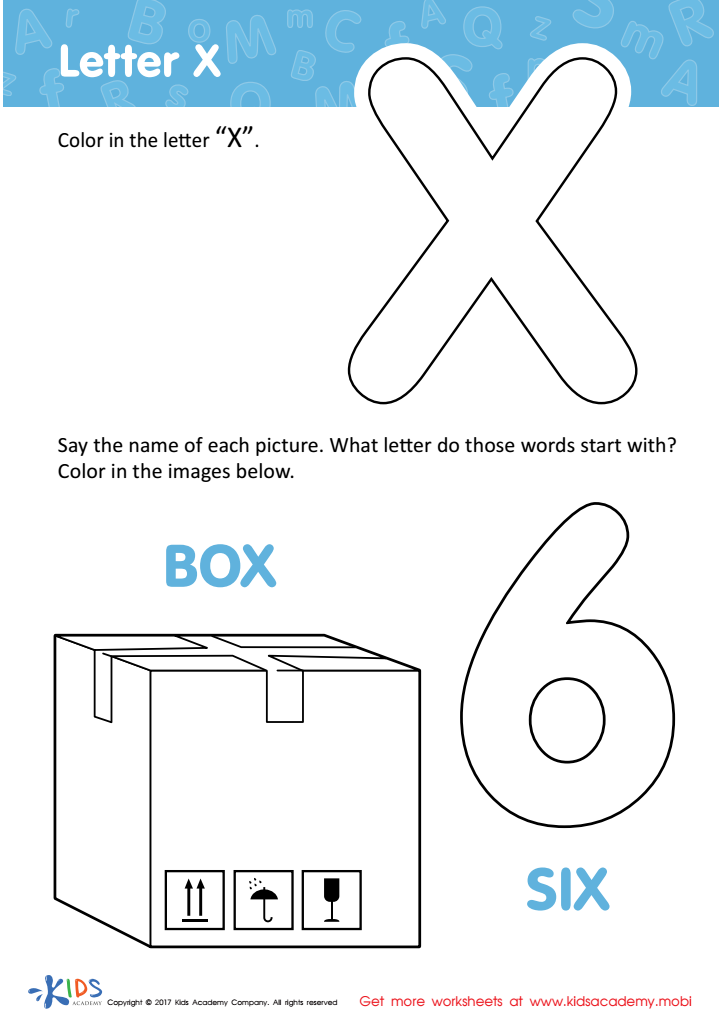
Letter X Coloring Sheet
Assign to My Students








Writing practice and easy letter recognition are essential skills for children aged 4-9, laying the foundation for their future literacy development. During these formative years, children explore the world of letters and words, and fostering their writing and letter recognition abilities significantly boosts their reading readiness.
First, understanding letter recognition helps children make connections between spoken and written language, which is crucial for sound-letter associations, phonics, and eventually effective reading. Early writing practice encourages fine motor skills, which are vital for efficient handwriting and overall participation in academic tasks.
Moreover, engaging in writing activities fosters creativity and self-expression. When children are encouraged to write, they learn to communicate their thoughts and emotions effectively. This can also enhance their confidence in literacy, promoting a positive attitude that encourages ongoing reading and writing practice as they grow.
By prioritizing writing practice and easy letter recognition, parents and teachers provide a supportive environment that nurtures critical literacy skills. The development of these abilities not only prepares children for educational success but also cultivates a lifelong love of learning—a gift that will benefit them far beyond the classroom.