Phonics recognition Easy Phonics Worksheets for Ages 4-9
5 filtered results
-
From - To
Discover our expertly crafted Easy Phonics Worksheets designed specifically for ages 4-9. These engaging sheets support children in mastering phonics recognition, an essential step in early reading development. Tailored to suit young learners, our worksheets feature fun and interactive activities focusing on identifying and connecting letter sounds. Ideal for both parents and teachers, these tools help foster confidence and literacy skills in a playful, stress-free manner. Explore our collection and make phonics practice an enjoyable daily habit! Boost your child’s phonics abilities and pave the way for a successful reading journey with our easy-to-use resources.
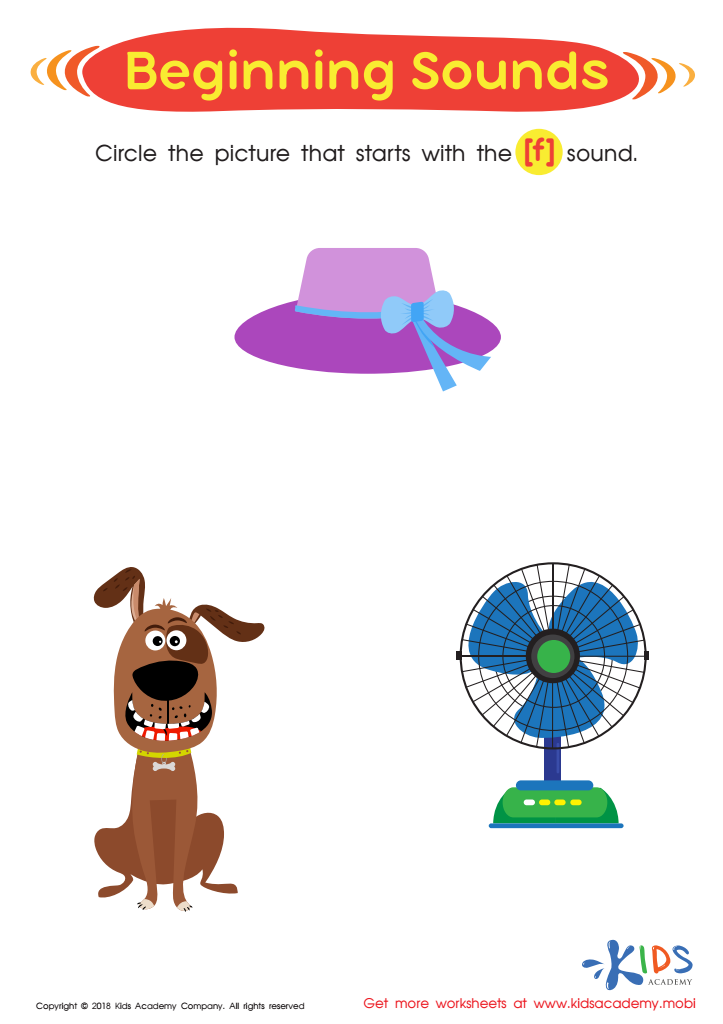
Beginning Sounds Assessment Printable
 Assign to My Students
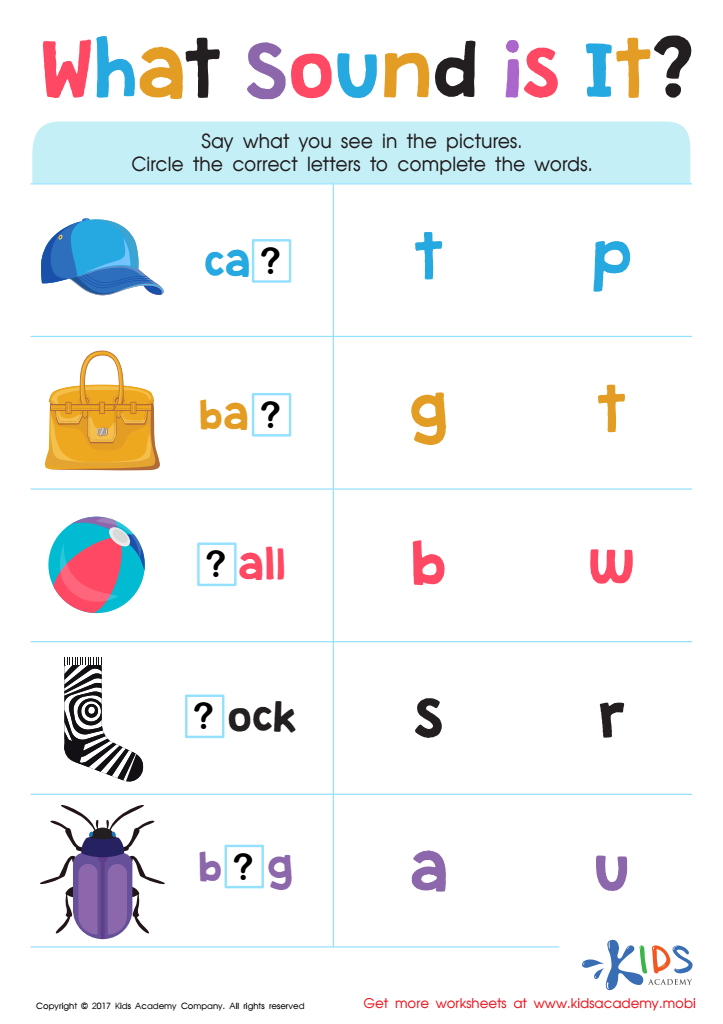
What Sound Is it? Worksheet
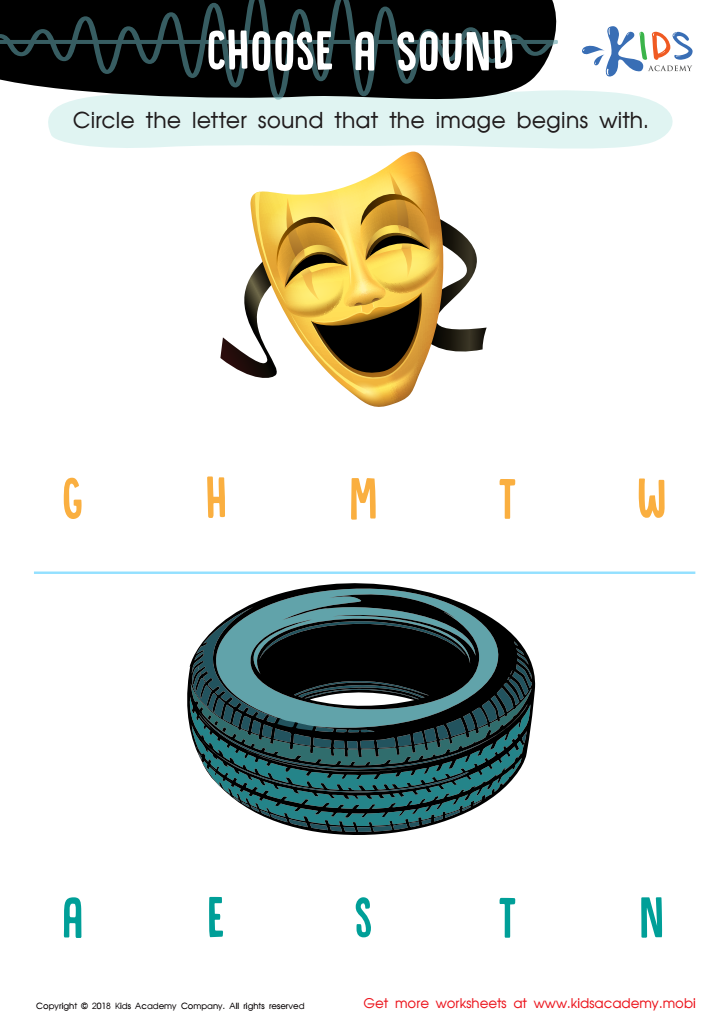
Choose a Sound Worksheet
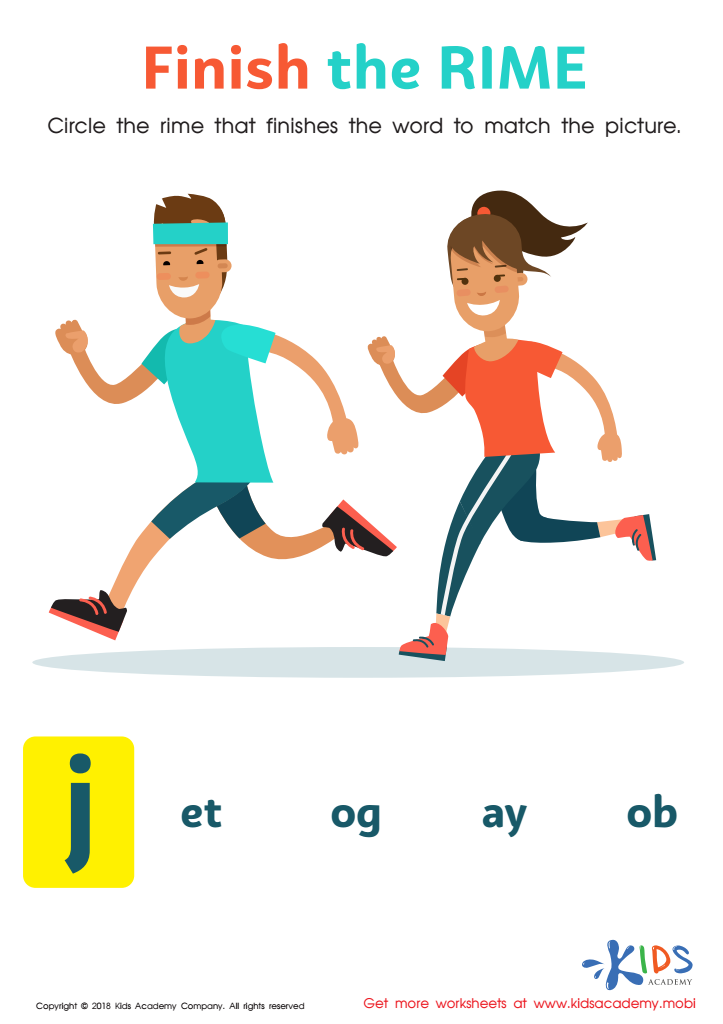
Finish the Rime Worksheet
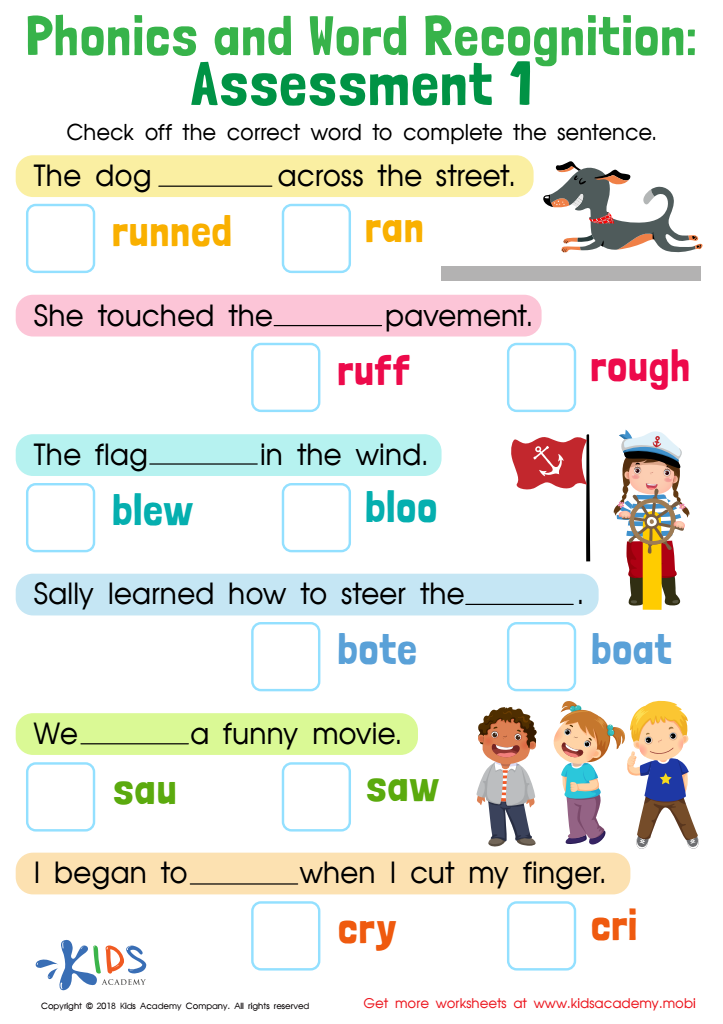
Phonics and Word Recognition: Assessment 1 Worksheet








Parents and teachers should care about phonics recognition for children ages 4-9 because it forms the essential foundation for reading and literacy skills, which are critical for academic success and lifelong learning. Phonics involves the relationship between sounds and their corresponding letters or groups of letters, helping children decode words and develop reading fluency. When children master phonics, they are better equipped to understand and decode new words, enhancing their reading confidence and comprehension.
Early exposure to phonics using programs like Easy Phonics lays the groundwork for strong linguistic skills. At ages 4-9, children's brains are highly receptive to learning language and sound patterns. Phonics instruction helps young learners recognize letter sounds, blend them to form words, and develop strategies for decoding unfamiliar words.
Moreover, phonics instruction supports spelling, pronunciation, and vocabulary development, creating a ripple effect on overall academic performance, including writing and language arts. Parents and teachers play a pivotal role in guiding children through this critical stage of education by incorporating engaging, age-appropriate phonics activities and practice. Investing in phonics education promotes literacy, empowers children with the skills to enjoy reading independently, and fosters a positive attitude toward learning—a benefit that lasts a lifetime.