Reading Skills Easy Phonics Worksheets for Ages 4-9
4 filtered results
-
From - To
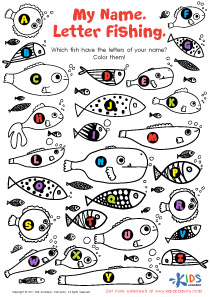
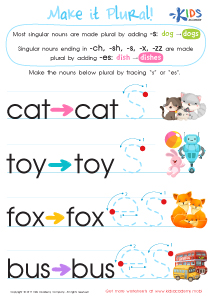
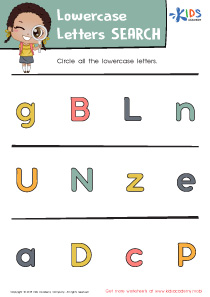
Discover our "Reading Skills Easy Phonics Worksheets" designed specifically for kids aged 4-9! These engaging activities help young learners master the essential building blocks of reading through fun and interactive phonics exercises. Our worksheets focus on letter recognition, sound association, and word formation, fostering confidence and comprehension in emerging readers. With colorful illustrations and age-appropriate content, children will find learning enjoyable while honing their reading skills. Whether at home or in the classroom, our Easy Phonics Worksheets serve as an excellent resource for parents and teachers alike. Join us in nurturing a love for reading and laying a strong foundation for literacy!
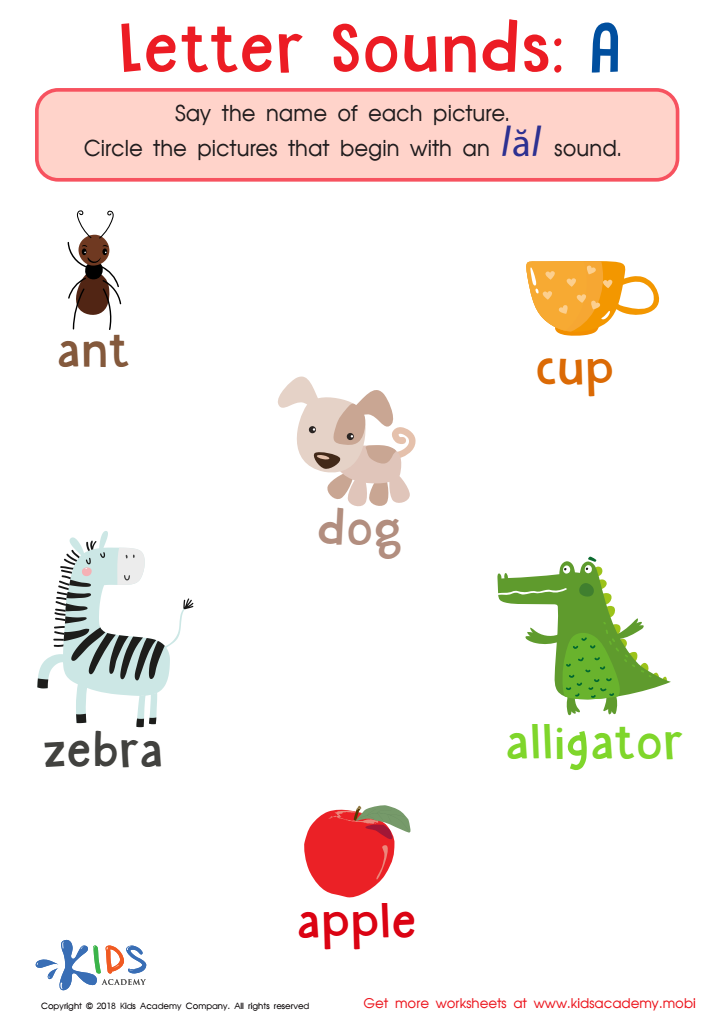
Letter A Sounds Worksheet
 Assign to My Students
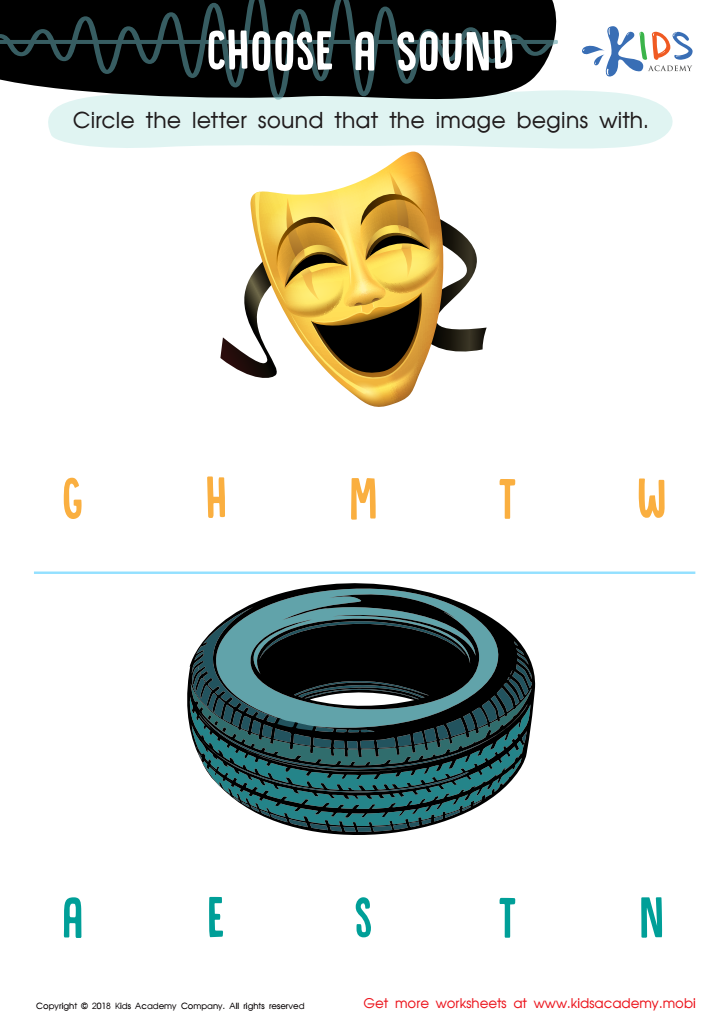
Choose a Sound Worksheet
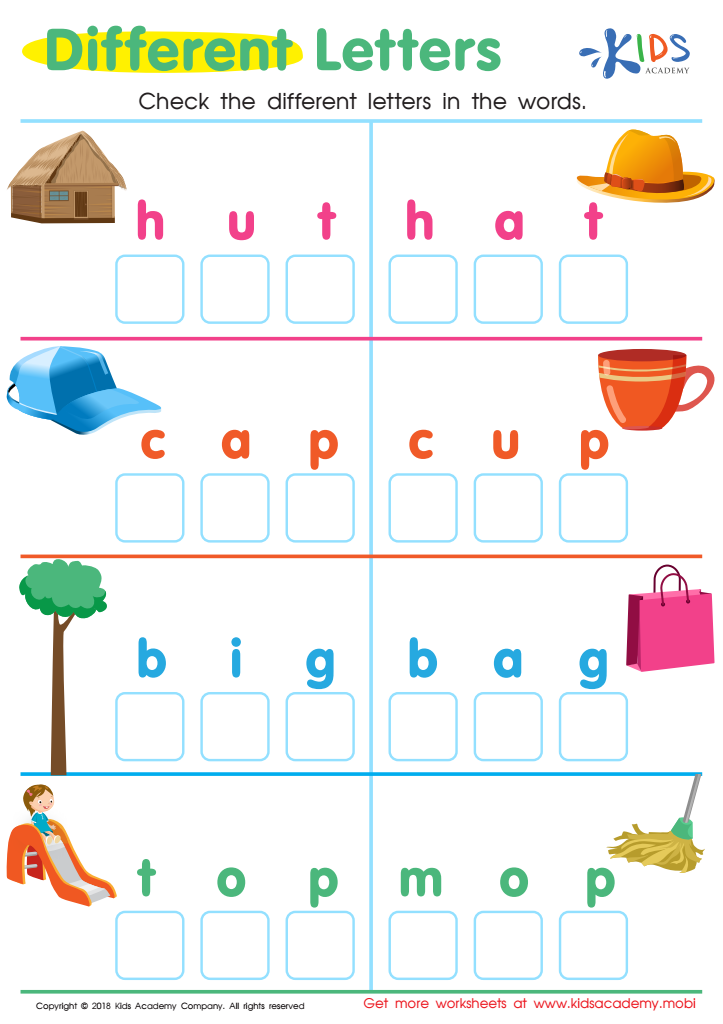
Different Letters Reading Worksheet
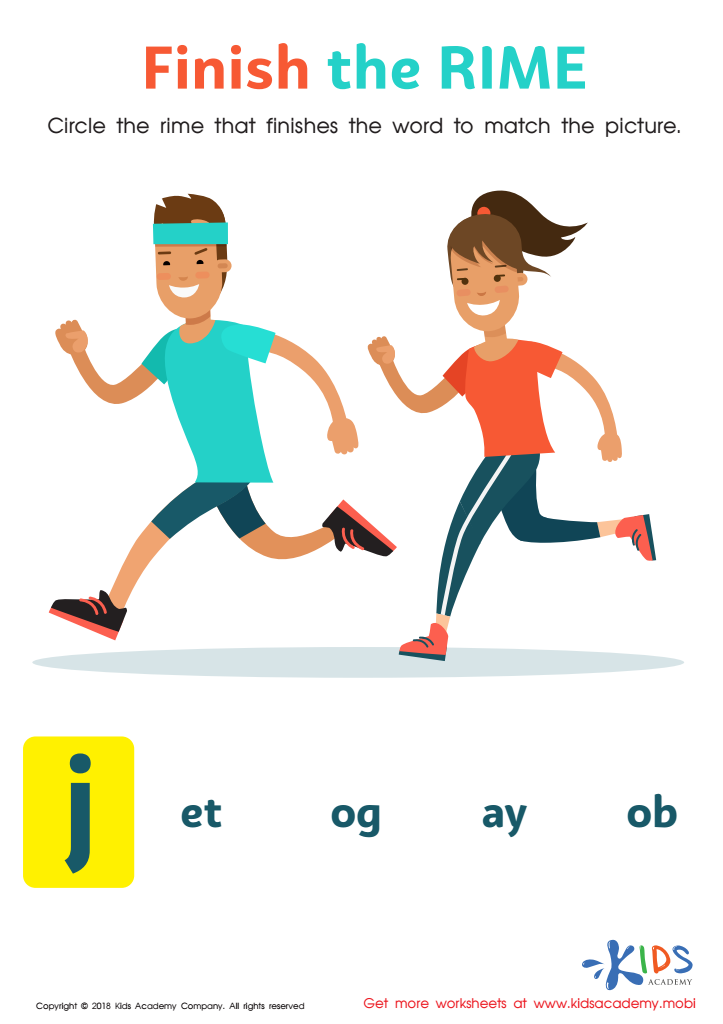
Finish the Rime Worksheet








Parents and teachers should care about "Reading Skills Easy Phonics" for children ages 4-9 because early reading proficiency lays the foundation for a child's academic success. Phonics teaches young learners the relationship between sounds and letters, enabling them to decode words independently. Mastery of phonics not only enhances reading skills but also boosts confidence in children, encouraging a love for reading that can last a lifetime.
Additionally, early reading skills are critical for overall cognitive development. They promote language acquisition, vocabulary expansion, and comprehension abilities, important facets of literacy that improve writing skills as well. Engaging in phonics instruction during these formative years can help identify potential reading difficulties early, allowing for timely intervention.
Furthermore, children who develop strong phonics skills tend to perform better in school, as reading is a vital component of nearly every subject. Empowered with these skills, children are more likely to engage with challenging texts and, later, participate actively in discussions, both in school and beyond.
Ultimately, investing in phonics education enriches a child's learning experience, fosters lifelong critical thinking skills, and prepares them for future academic challenges, making it a key priority for parents and educators alike.