Counting practice Easy Addition and Subtraction Word Problems Worksheets for Ages 4-9
3 filtered results
-
From - To
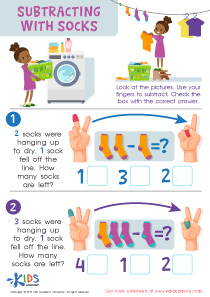
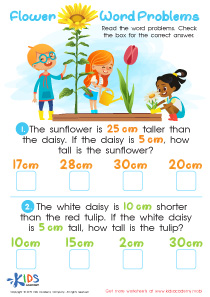
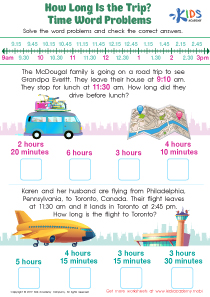
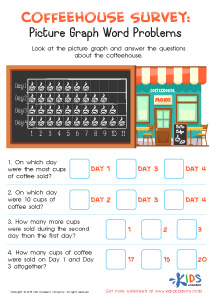
Unlock your child's potential with our "Counting Practice Easy Addition and Subtraction Word Problems Worksheets for Ages 4-9." Designed to develop essential math skills, these engaging worksheets offer a fun and interactive way to master basic addition and subtraction. Each problem-solving activity is crafted to boost counting proficiency while enhancing logical reasoning, making learning enjoyable and effective. Perfect for early learners, our worksheets cater to different learning styles and are ideal for both classroom and home practice. Equip your child with the foundation needed for academic success with our comprehensive and age-appropriate math resources.
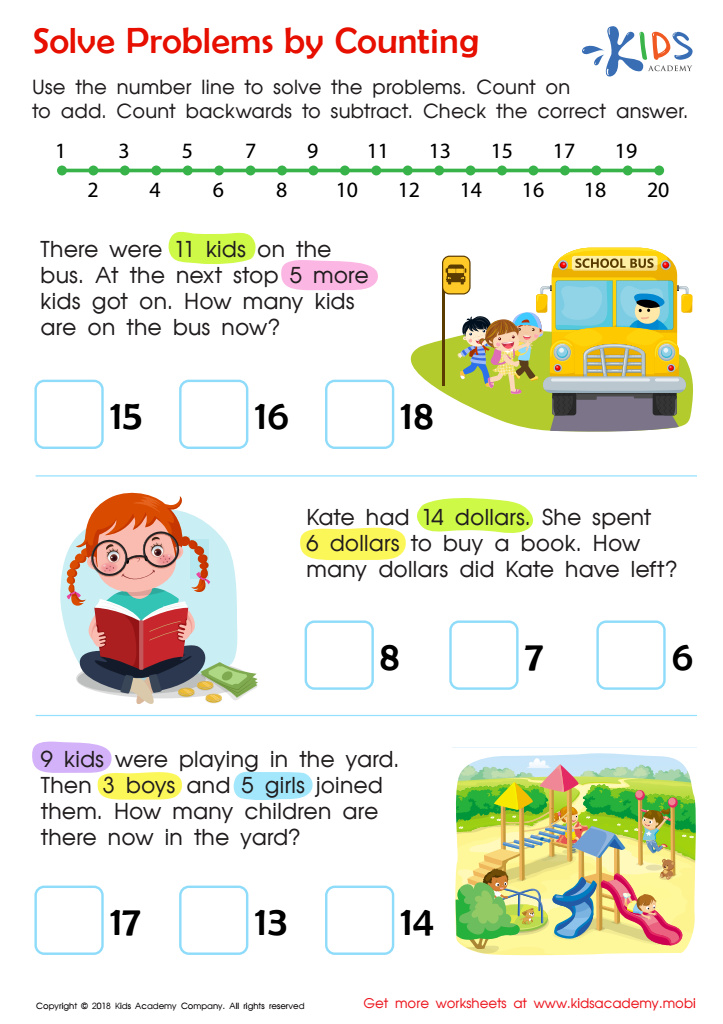
Solve Problems by Counting Worksheet
 Assign to My Students
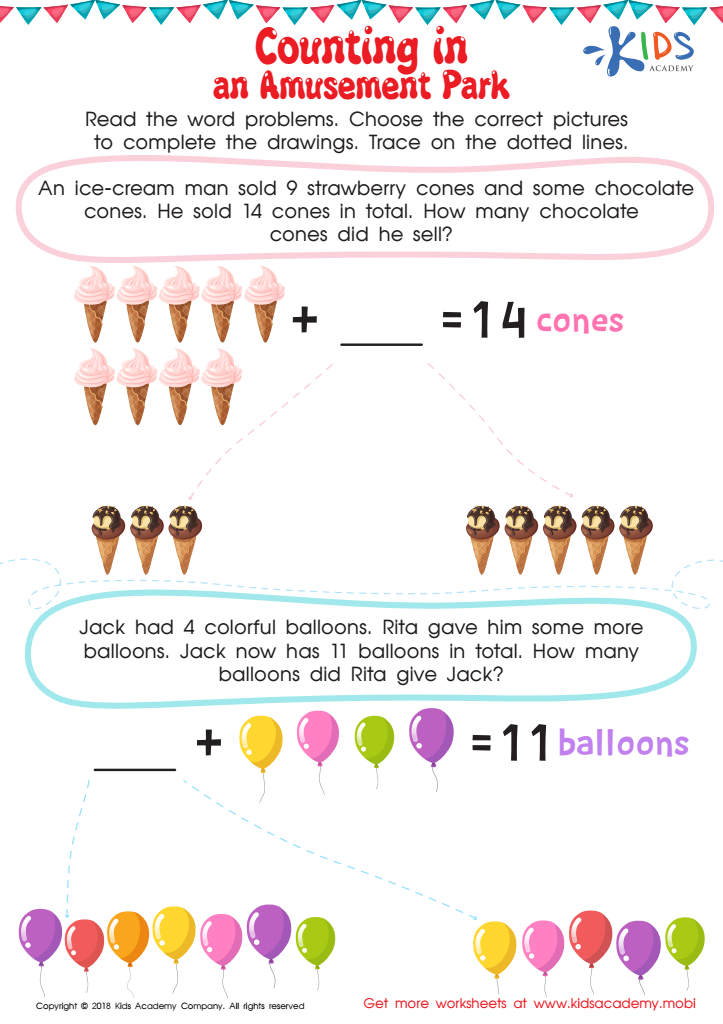
Counting in an Amusement Park Worksheet
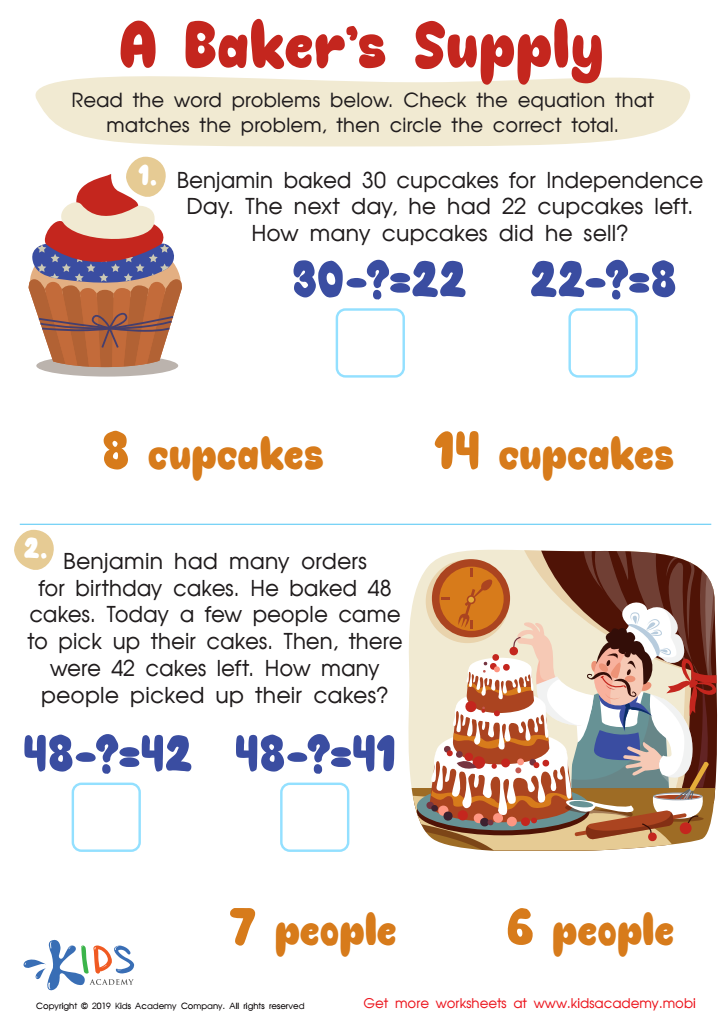
A Baker's Supply Worksheet








Counting practice and easy addition and subtraction word problems are essential for children aged 4-9 because they lay the foundational skills crucial for later academic success and daily life competencies. For young children, engaging in counting activities enhances their number sense, an understanding of quantity, and how numbers work. Practicing simple arithmetic through word problems paints math as a practical, fun, and approachable subject, rather than a daunting task.
On a broader developmental front, solving these problems hones critical thinking, improves cognitive capabilities, and encourages logical reasoning. It also nurtures problem-solving skills by requiring children to analyze situations, strategically consider choices, and implement methods to find solutions.
Furthermore, mastering arithmetic through real-life contextual problems directly translates into everyday skills. It improves a child’s ability to handle real-world tasks, like measuring ingredients while cooking, managing allowances, or navigating time.
From an educational standpoint, early proficiency in math builds confidence and is a predictor of academic success. Teachers recognize early mathematics as a gateway to developing a positive attitude towards schooling.
For parents and teachers, investing effort in reinforcing counting practice and simple arithmetic ensures children develop a sturdy foundation, fostering lifelong learners who view learning as an exciting, continual process rather than a box-ticking exercise.