Color Identification Easy Math Worksheets for Ages 4-9
3 filtered results
-
From - To
Introducing our "Color Identification Easy Math Worksheets for Ages 4-9"! These engaging worksheets are designed to help young learners master the skill of color recognition while also reinforcing basic math concepts. With fun and vibrant activities, children can enjoy identifying and matching colors while solving simple math problems. Perfect for home or classroom use, our worksheets support cognitive development and hand-eye coordination. Tailored for kids aged 4 to 9, these printables ensure that learning stays fun and interactive. Download now and watch your child's confidence in color identification and math grow by leaps and bounds!
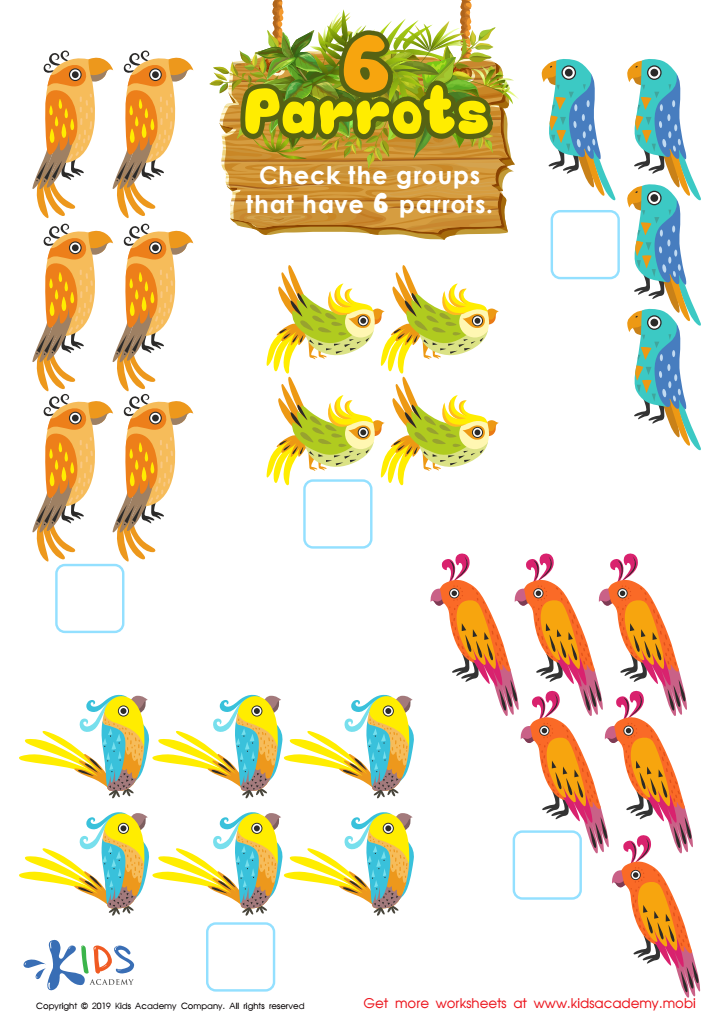
6 Parrots Worksheet
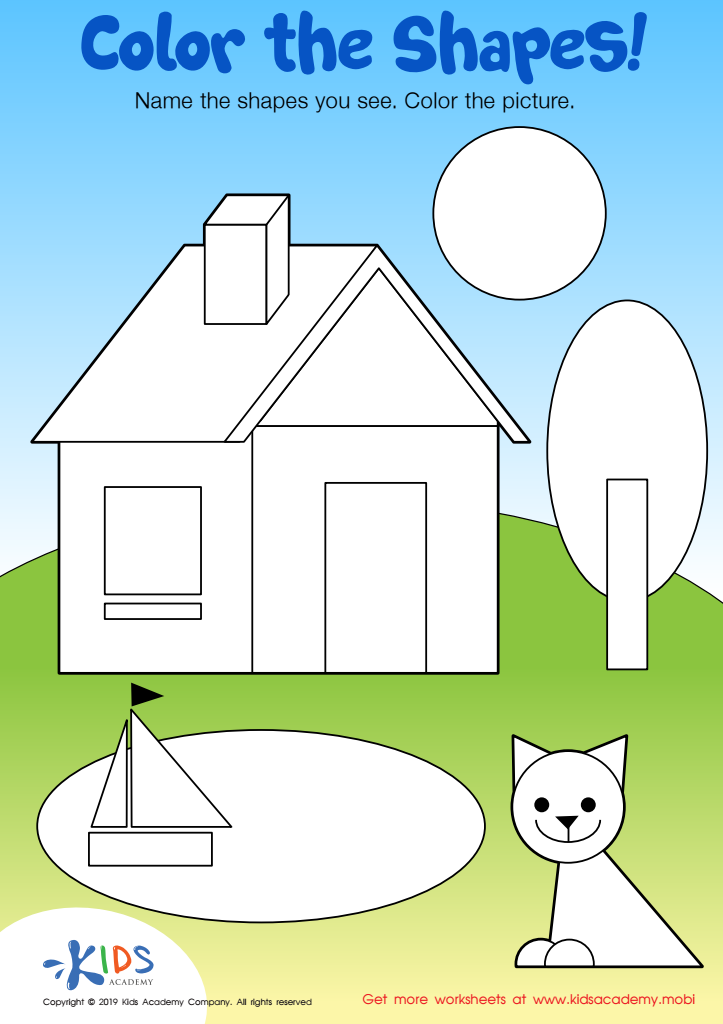
Color the Shapes Worksheet
 Assign to My Students
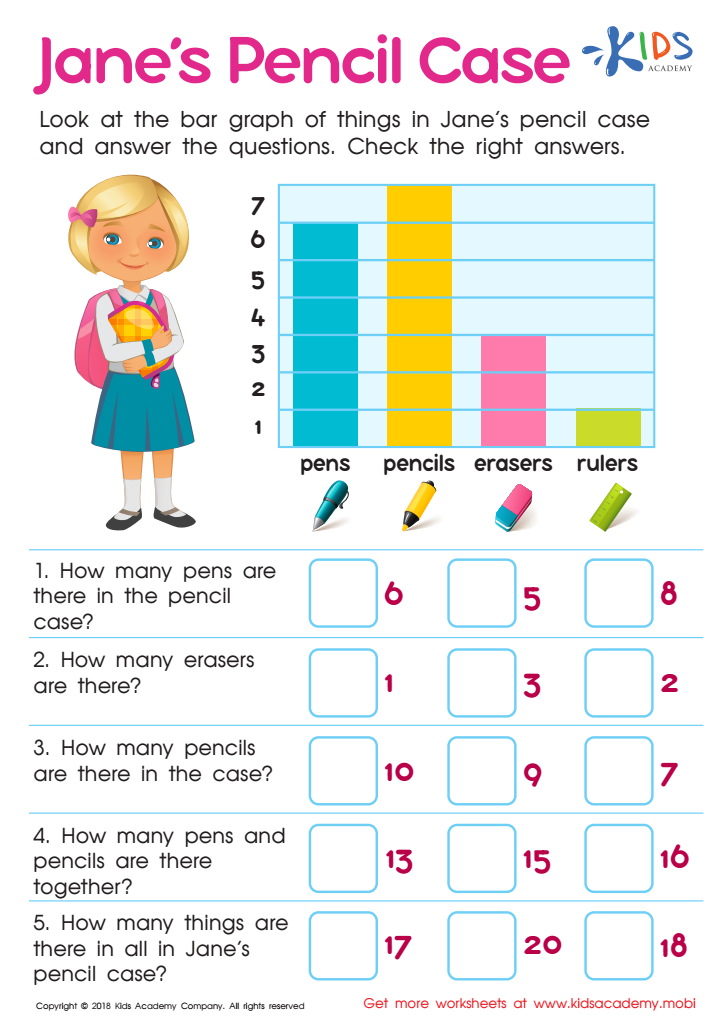
Jane's Pencil Case Worksheet







Color identification and early math skills are foundational components of a child’s cognitive development, and fostering these abilities in children aged 4-9 can have lasting benefits. Parents and teachers should give special attention to these domains for several critical reasons.
Firstly, identifying colors helps children learn and organize the world around them. It enhances communication skills as children use colors to describe and distinguish objects in their environment, leading to enriched vocabulary and clearer expression. Moreover, recognizing colors lays the groundwork for categorization and sorting, which are essential for logical reasoning.
Secondly, introducing easy math concepts at an early age builds essential numerical skills. Math activities, such as counting objects, solving simple puzzles, and recognizing patterns, make abstract concepts more tangible for young minds. These tasks improve problem-solving skills, critical thinking, and even attention to detail, which are vital for academic success across all subjects.
Integrating color identification with math activities—such as sorting by color or using color-coded counting blocks—makes learning engaging and playful. For instance, using a game where children sort colored blocks into groups introduces basic counting and color recognition simultaneously. This multifaceted approach ensures that children develop a solid conceptual framework both for mathematics and everyday understanding.
In summary, emphasizing color identification and early math concepts equips children with the cognitive tools needed for lifelong learning, making it a foundational investment in their educational journey.








