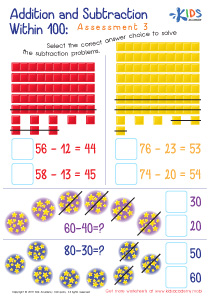
Categorization skills Easy Numbers 0–10 Worksheets for Ages 4-9
3 filtered results
-
From - To
Categorization Skills Easy Numbers 0–10 Worksheets for Ages 4-9
Develop essential categorization skills with our Easy Numbers 0–10 Worksheets, specially designed for children aged 4-9. These engaging activities help young learners differentiate, group, and classify numbers from 0 to 10, fostering early math proficiency. Perfect for home or classroom use, our printable worksheets make learning fun and accessible, reinforcing key concepts through interactive tasks. Give your child a head start in math by enhancing their number recognition, counting abilities, and critical thinking skills with our expertly crafted worksheets. Visit Kids Academy for more educational resources and help your kids excel!
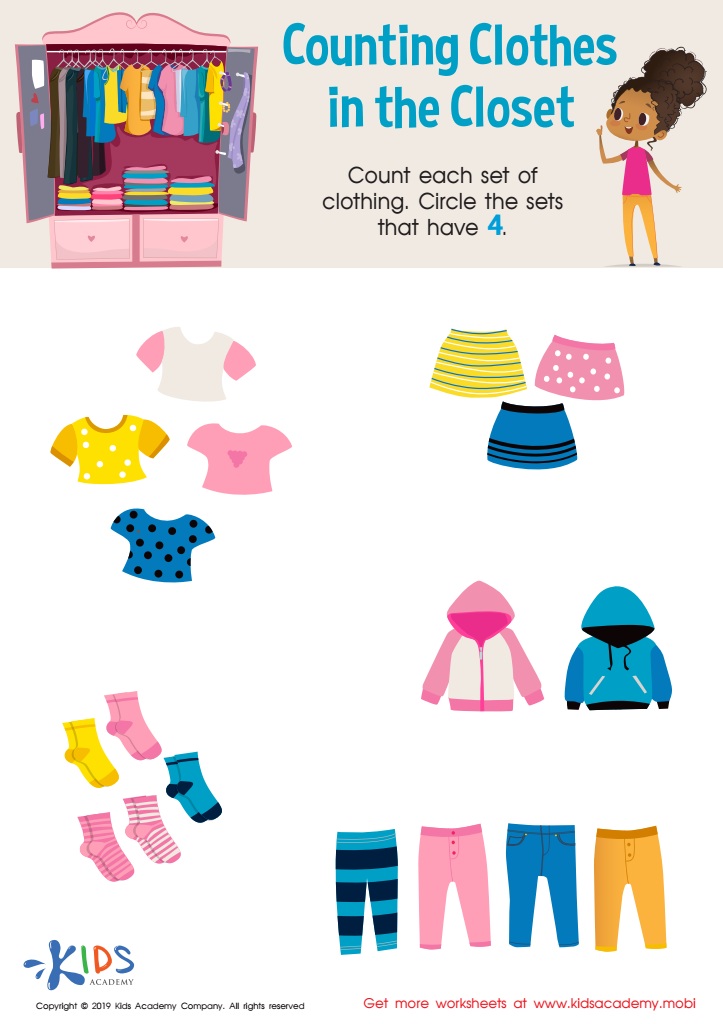
Counting Clothes Worksheet
 Assign to My Students
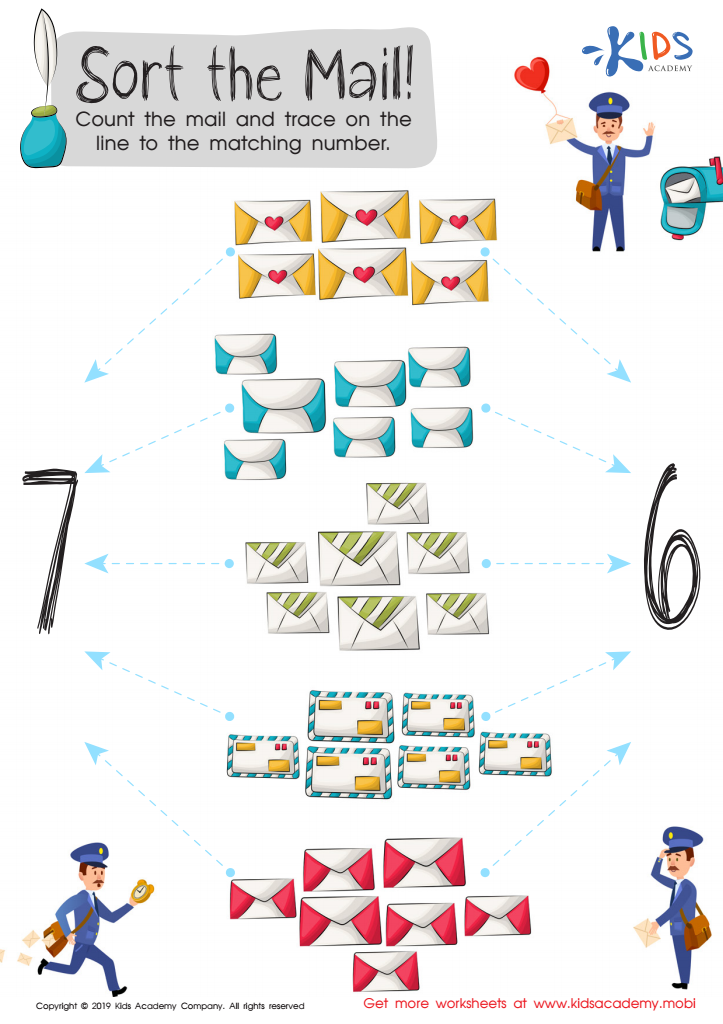
Sort the Mail Worksheet
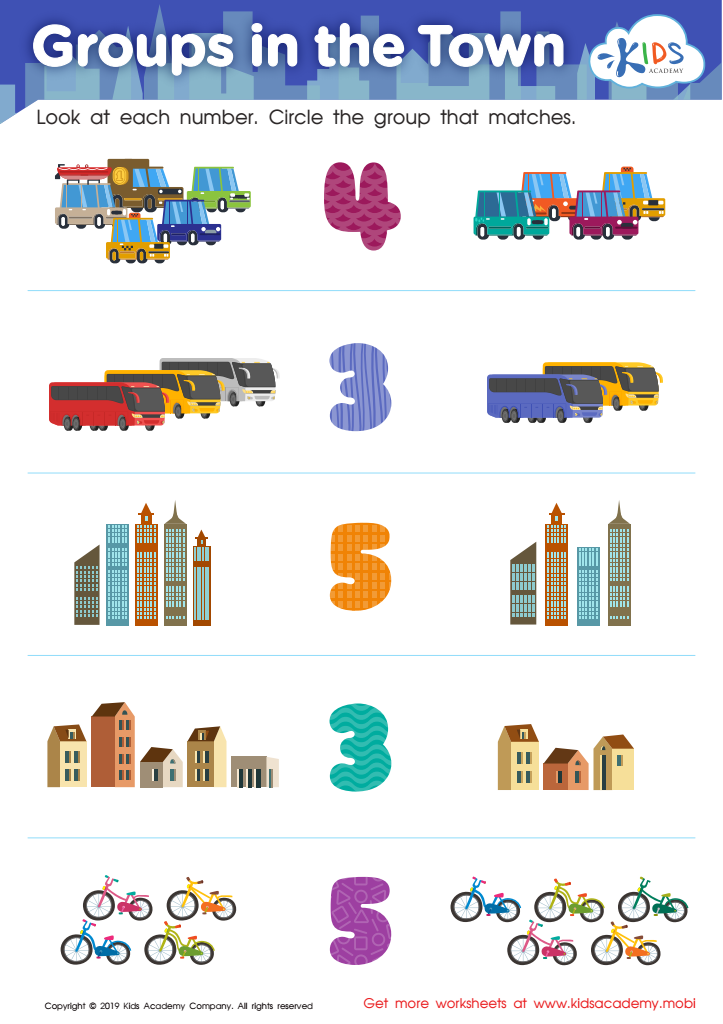
Groups in the Town Worksheet








Categorization skills and ease with numbers from 0-10 are fundamental building blocks in early childhood development. For children aged 4-9, mastering these skills is crucial for both cognitive and academic growth. Categorization helps children make sense of the world by grouping similar items together, aiding memory retention and information retrieval. Children learn to differentiate between various types of objects, and by organizing them into categories, they develop critical thinking skills and an understanding of relationships and patterns.
Numbers from 0-10 are foundational for future math proficiency. Early familiarity with these numbers sets the stage for learning more complex mathematical concepts. These numbers are the building blocks for arithmetic operations like addition, subtraction, multiplication, and division. Recognizing, counting, and comparing numbers promote number sense, an essential skill in numeracy development. When children grasp the concept of numbers early on, they are more likely to excel in higher-order math and problem-solving skills later in their academic journey.
Therefore, parents and teachers should prioritize activities and learning experiences that enhance categorization and basic number skills. This focus not only strengthens early academic performance but also fosters curiosity and a joy for learning. By supporting these foundational skills, parents and teachers can provide children with the tools they need for lifelong learning success.