Capitalization rules Easy Alphabet Worksheets for 4-Year-Olds
4 filtered results
-
From - To
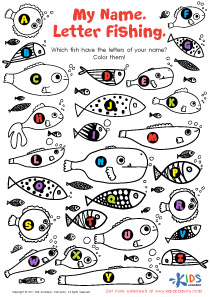
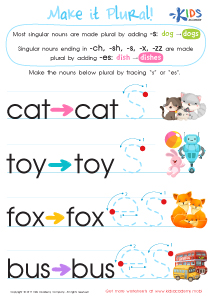
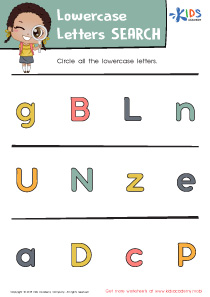
Explore our engaging "Capitalization Rules Easy Alphabet Worksheets" designed specifically for 4-year-olds! These fun and interactive worksheets introduce young learners to the foundational concepts of capitalization through colorful illustrations and simple activities. Your child will enjoy tracing letters, recognizing uppercase and lowercase forms, and learning when to capitalize words using exciting examples. Ideal for pre-K and kindergarten, our worksheets foster early literacy skills while making learning enjoyable. Encourage your child's writing abilities and confidence as they develop essential language skills at their own pace. Download now and watch your little ones thrive in their journey to mastering capitalization!
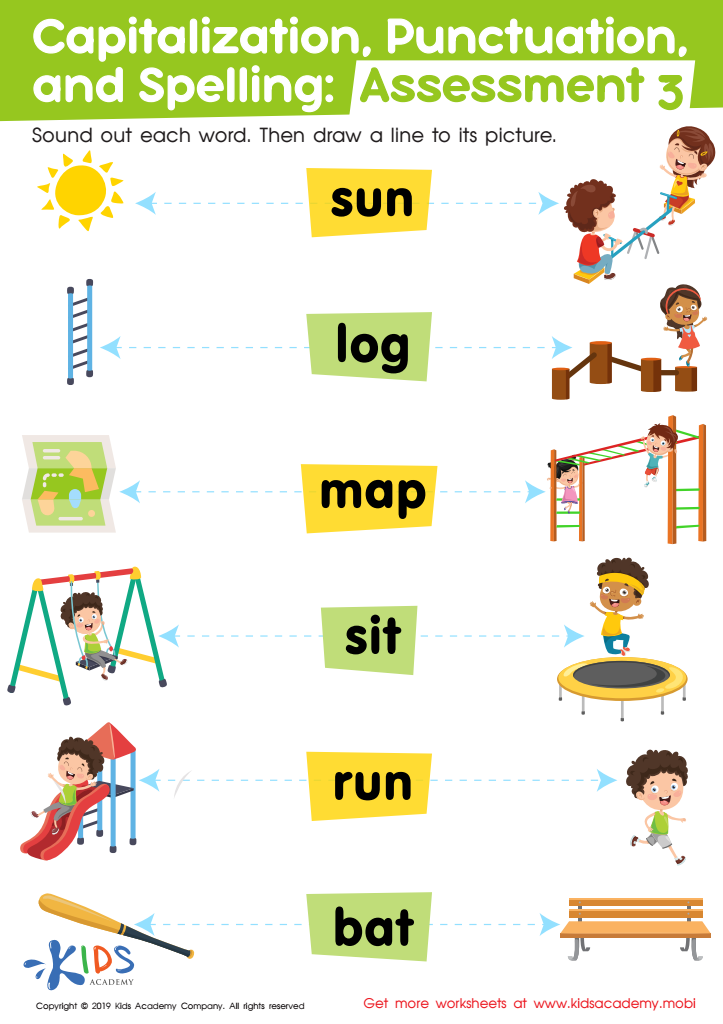
Capitalization. Punctuation. Spelling. Assessment 3 Worksheet
 Assign to My Students
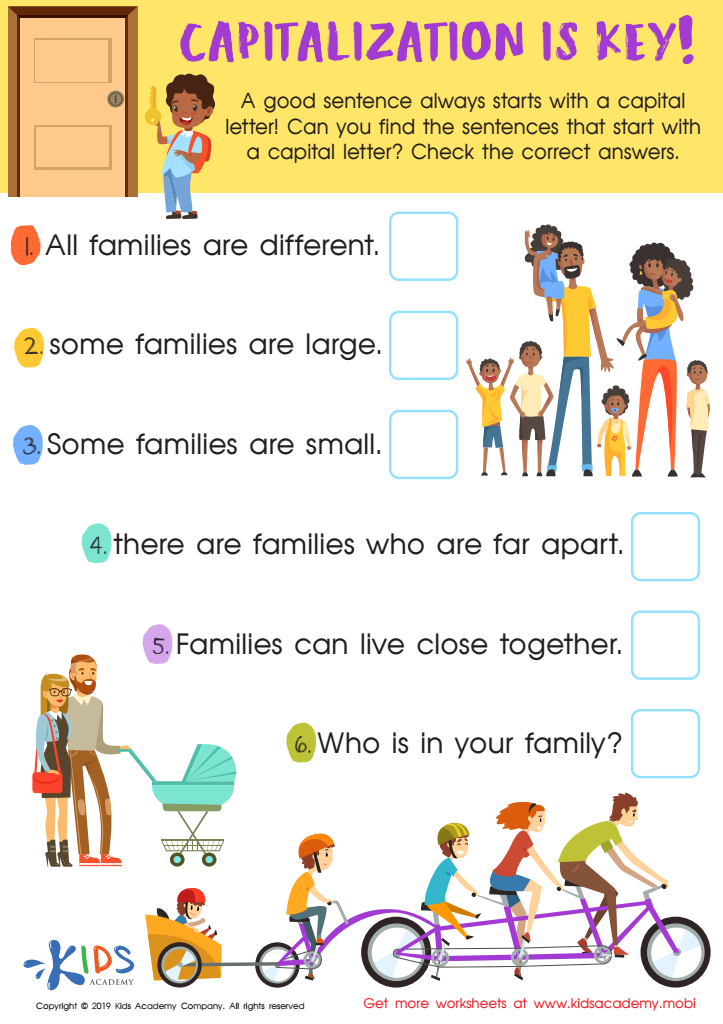
Capitalization Key Worksheet
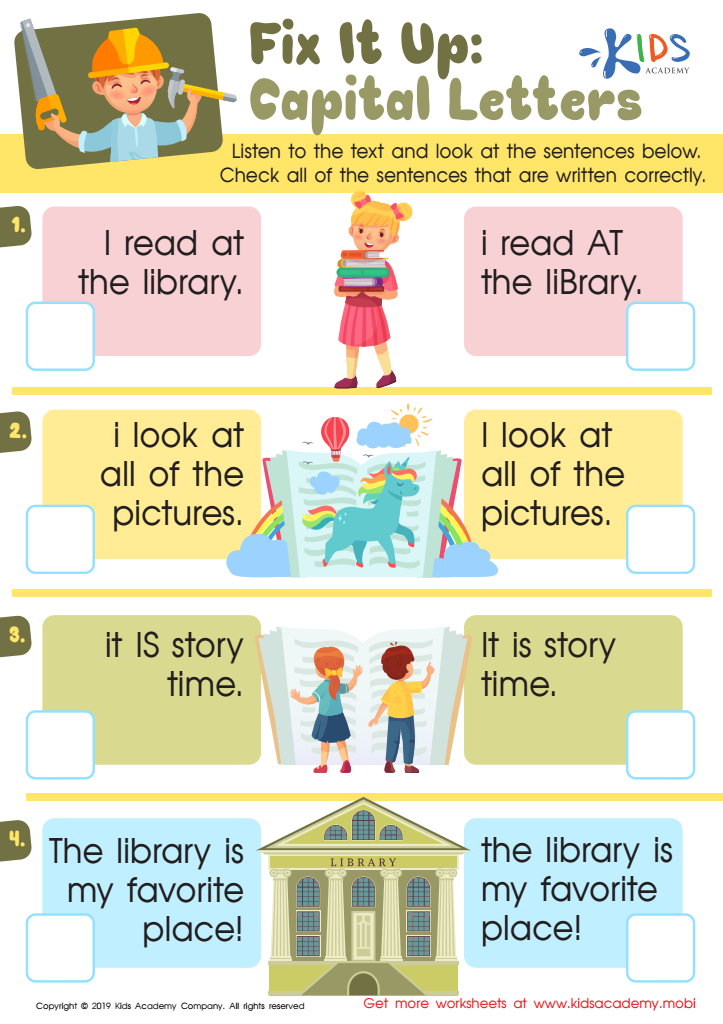
Fix Capital Letters Worksheet
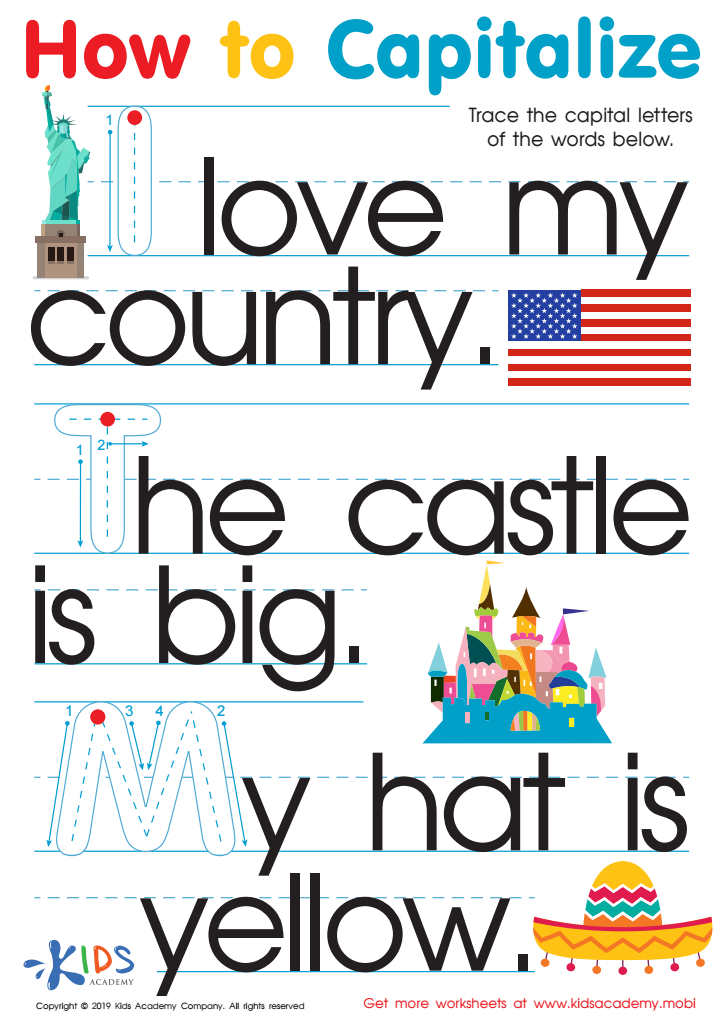
How to Capitalize Worksheet







Capitalization rules are crucial for early literacy development, especially for 4-year-olds. Understanding these rules lays the foundation for effective reading and writing skills. When parents and teachers introduce capitalization to young learners, they help them differentiate between common nouns and proper nouns, fostering phonemic awareness and vocabulary expansion. It enhances their ability to recognize names, places, and the beginning of sentences, which are fundamental aspects of written language.
Moreover, teaching capitalization rules at an early age instills a sense of order and structure in language. When children learn that certain words have special significance, it enhances their comprehension and encourages them to pay attention to details in both reading and writing. Dedicating time to these skills instills a love of language, making children more likely to engage in further learning.
Additionally, understanding capitalization supports communication skills, allowing young learners to express themselves clearly in written form, whether in stories or messages. This early intervention creates confident, competent communicators. Ultimately, parents and teachers play a pivotal role in nurturing these essential literacy skills, setting children up for academic success and a lifelong appreciation for language.