Phonics recognition Easy Alphabet Worksheets for 4-Year-Olds
4 filtered results
-
From - To
Discover the perfect phonics recognition Easy Alphabet Worksheets tailored for 4-year-olds at Kids Academy! Our engaging, printable worksheets are designed to introduce young learners to the magical world of letters and sounds. With colorful illustrations and fun activities, children will effortlessly grasp the basics of phonics, setting a solid foundation for reading and writing. Ideal for early age development, these worksheets strengthen letter-sound association and boost confidence in little learners. Watch your child’s literacy skills blossom as they embark on an exciting educational journey with Kids Academy’s expertly crafted resources!
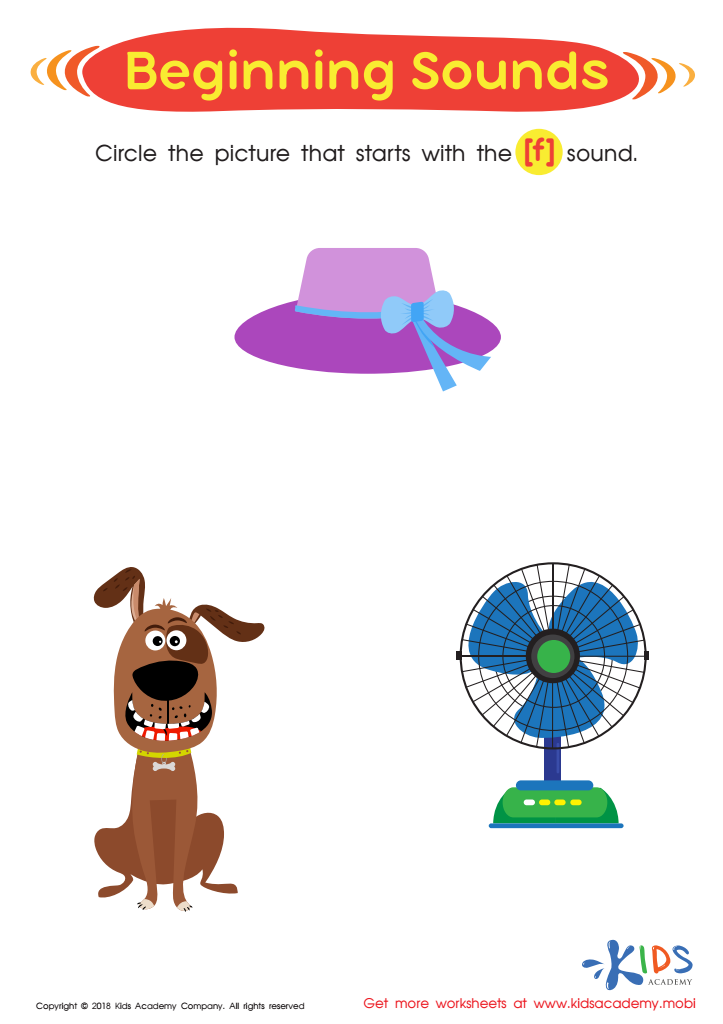
Beginning Sounds Assessment Printable
 Assign to My Students
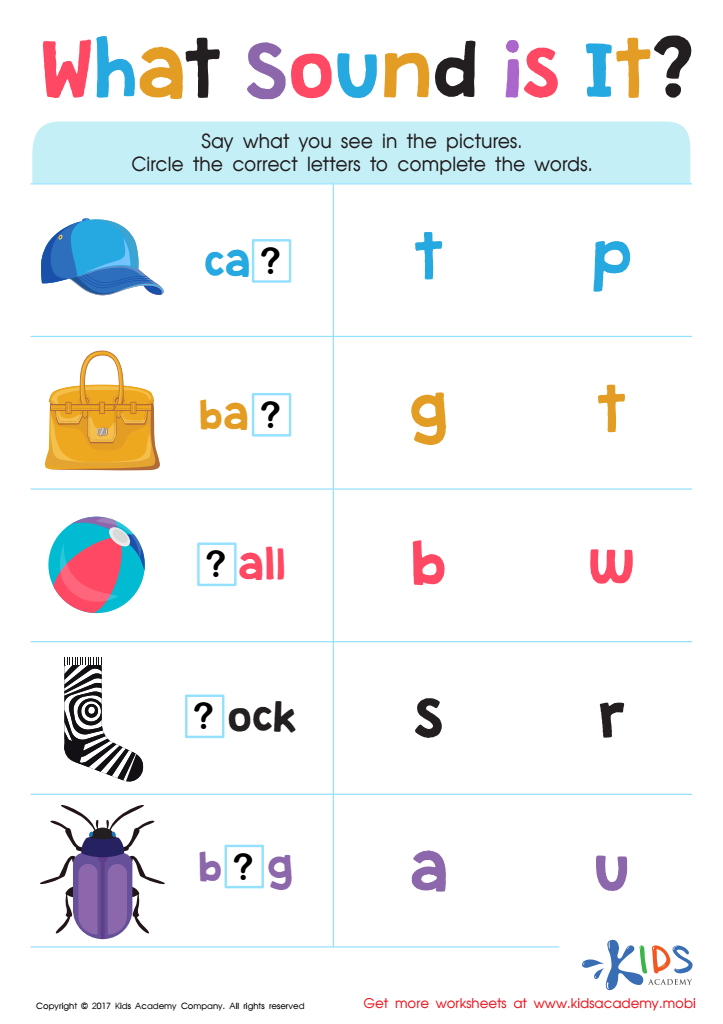
What Sound Is it? Worksheet
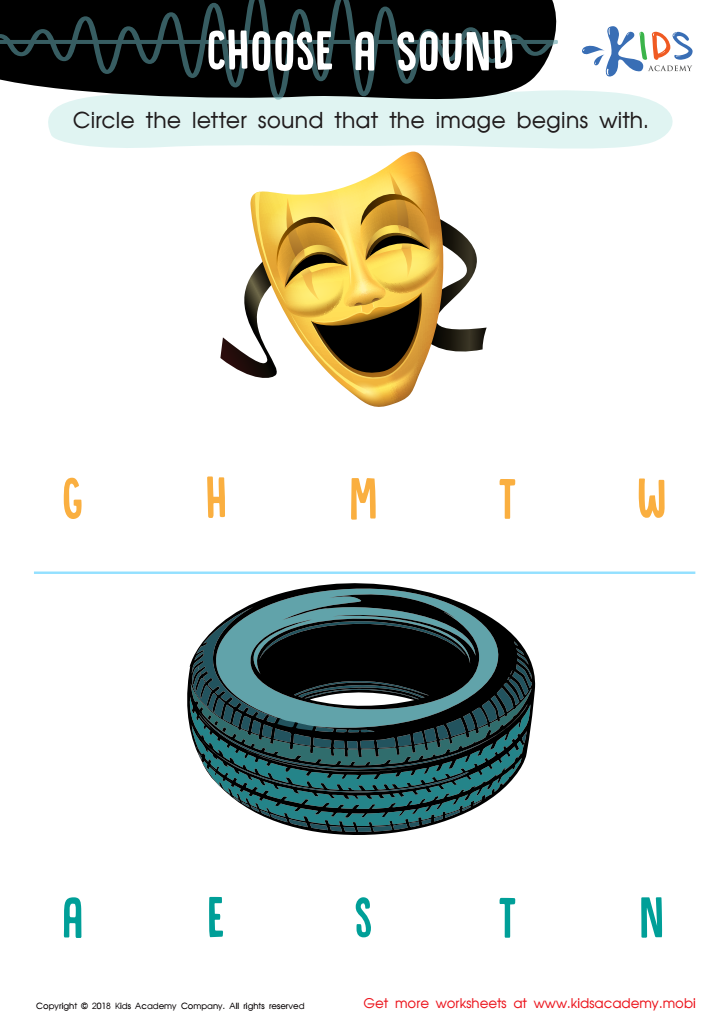
Choose a Sound Worksheet
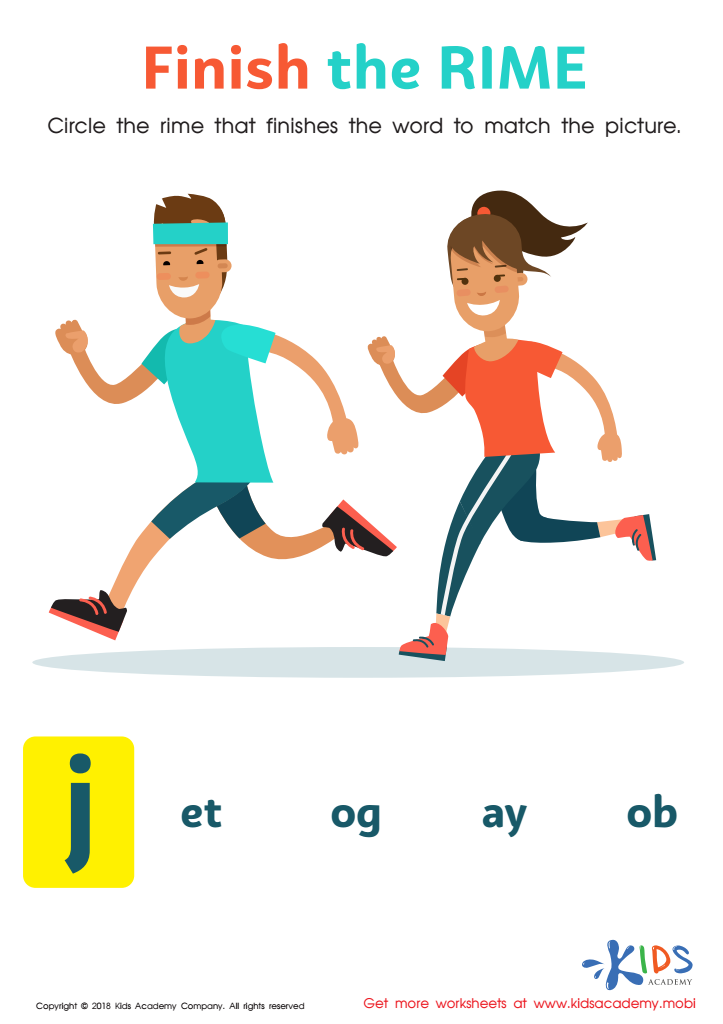
Finish the Rime Worksheet





Phonics recognition is a fundamental component of early literacy, and incorporating Easy Alphabet activities for 4-year-olds plays a crucial role in a child’s reading development. Children at this age are in a critical period of brain development, when their ability to absorb and process new information is at its peak. Introducing phonics helps them understand the relationship between letters and sounds, which is the building block of reading. This understanding strengthens their decoding skills, allowing them to read unfamiliar words by sounding them out.
For parents and teachers, fostering phonics recognition provides long-term academic advantages. Early proficiency in reading is linked to better performance in later grades and builds confidence, as reading is integral to learning across all subjects. Additionally, early exposure to phonics contributes to improved spelling and writing skills by reinforcing the sounds and structures of words.
Using engaging, age-appropriate tools like Easy Alphabet ensures that learning is fun and effective. It captures children's interests with colorful visuals, songs, and interactive activities, making the learning process enjoyable. For these reasons, parents and teachers should incorporate phonics recognition activities into early childhood education to give children a strong foundation for future academic success and lifelong learning enjoyment.