Sound Association Easy Alphabet Worksheets for 4-Year-Olds
5 filtered results
-
From - To
Unlock your child's potential with our "Sound Association Easy Alphabet Worksheets" designed specifically for 4-year-olds! These engaging and colorful worksheets help children connect letters with corresponding sounds, making early phonics learning fun and interactive. Each worksheet focuses on essential skills, reinforcing strong foundational knowledge in reading and writing. Perfect for parents and educators, these resources encourage creativity and critical thinking while enhancing fine motor skills through tracing and coloring activities. Dive into a world of learning that inspires a love for literacy in your little ones. Download today and watch your child's confidence in phonics grow!
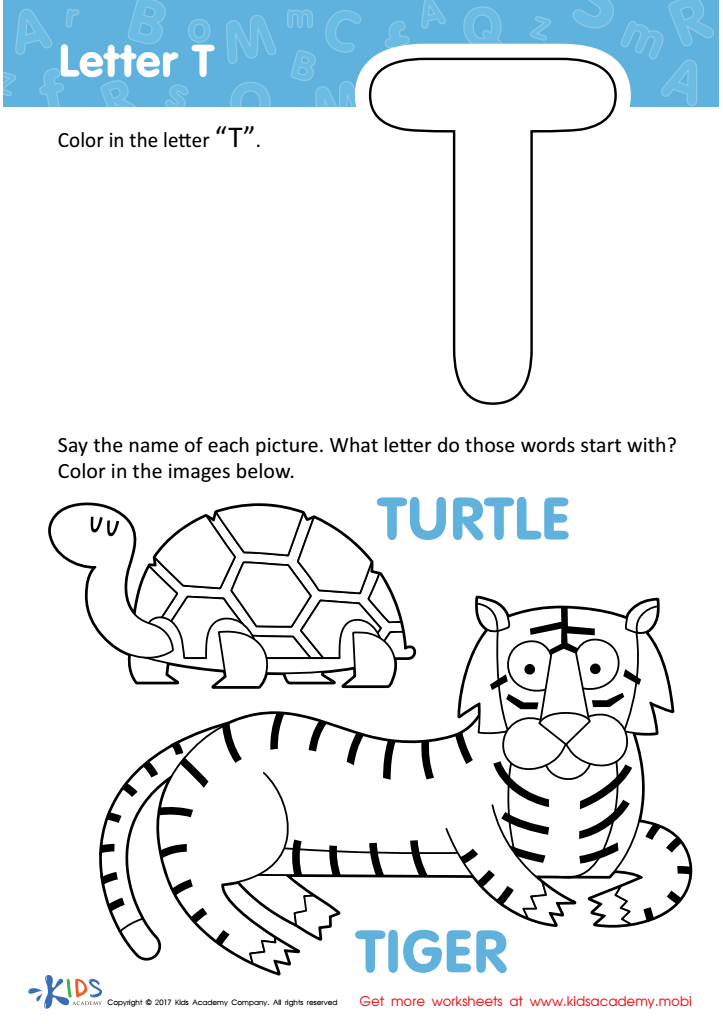
Letter T Coloring Sheet
 Assign to My Students
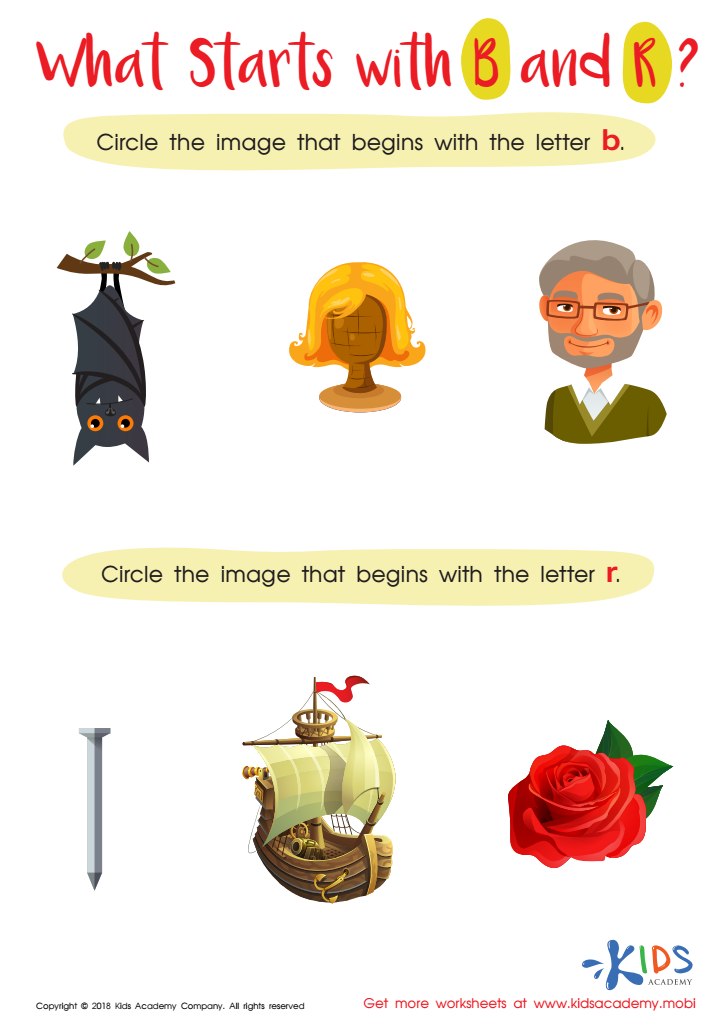
What Starts with B and R? Worksheet
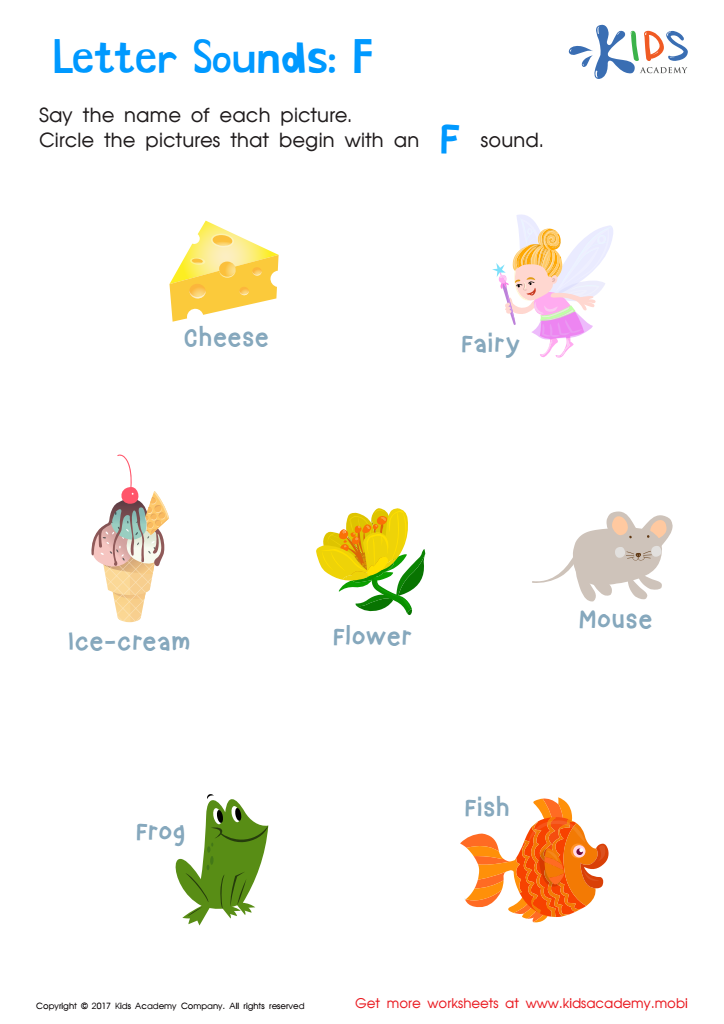
Letter F Sounds Worksheet
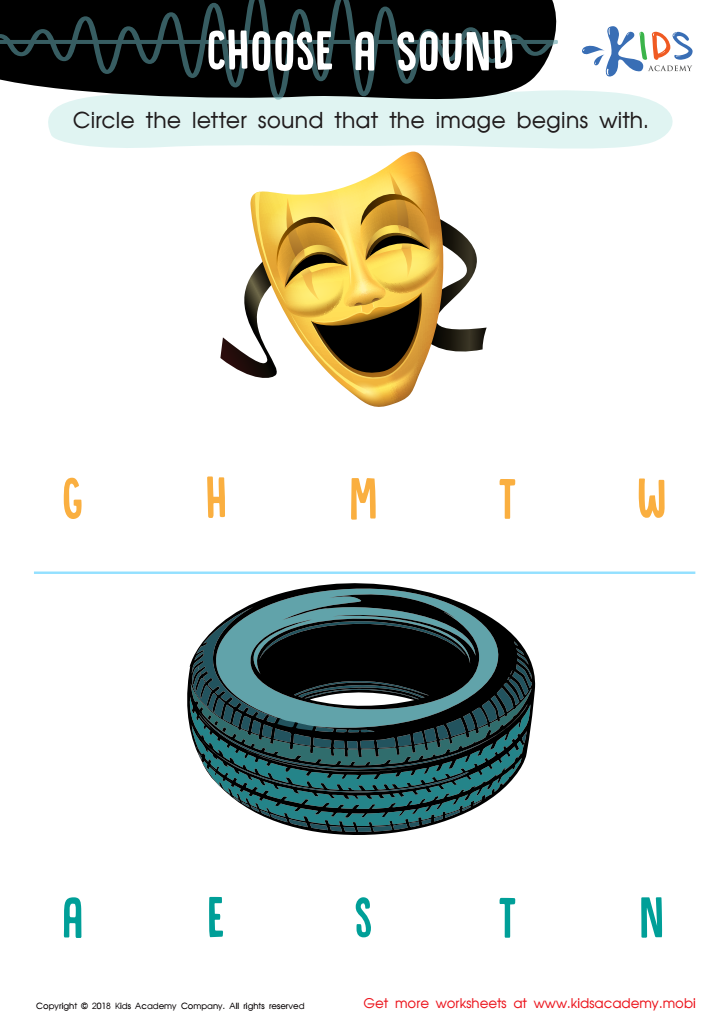
Choose a Sound Worksheet
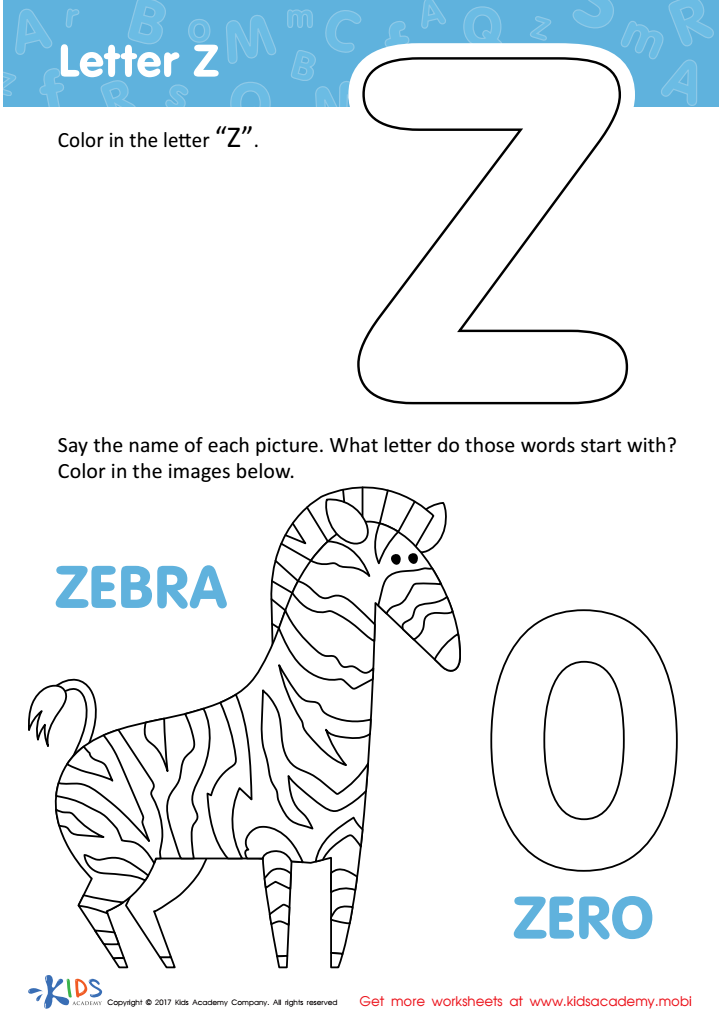
Letter Z Coloring Sheet
Assign to My Students







Sound Association Easy Alphabet is a vital tool for teaching 4-year-olds essential reading and writing skills. At this formative age, children are developing phonemic awareness, which is the ability to hear and manipulate sounds in words. This foundational skill is crucial for later literacy development, as it helps young learners understand the relationship between letters and sounds.
Utilizing techniques from Sound Association, parents and teachers can create engaging and effective learning experiences that reinforce this connection. By linking letters to corresponding sounds through fun activities, games, and stories, children become more motivated and confident in their ability to read and write. This approach fosters not only literacy but also a love for learning.
Moreover, supporting sound association lays the groundwork for future academic success. Children who struggle with phonics in preschool are often at a disadvantage in later grades. Therefore, early intervention through sound association can mitigate potential reading difficulties, enhancing children's educational trajectories.
Ultimately, Sound Association Easy Alphabet provides a strong basis for communication and critical thinking skills. Caring about and implementing these strategies ensures that our youngest learners are not just prepared for school, but are also inspired to explore the world through language.