Fine Motor Skills Easy World Around Us Worksheets for 4-Year-Olds
3 filtered results
Difficulty Level
Grade
Age
-
From - To
Subject
Activity
Standards
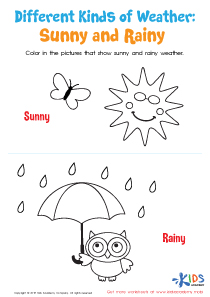
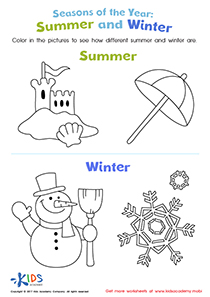
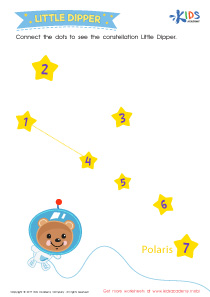
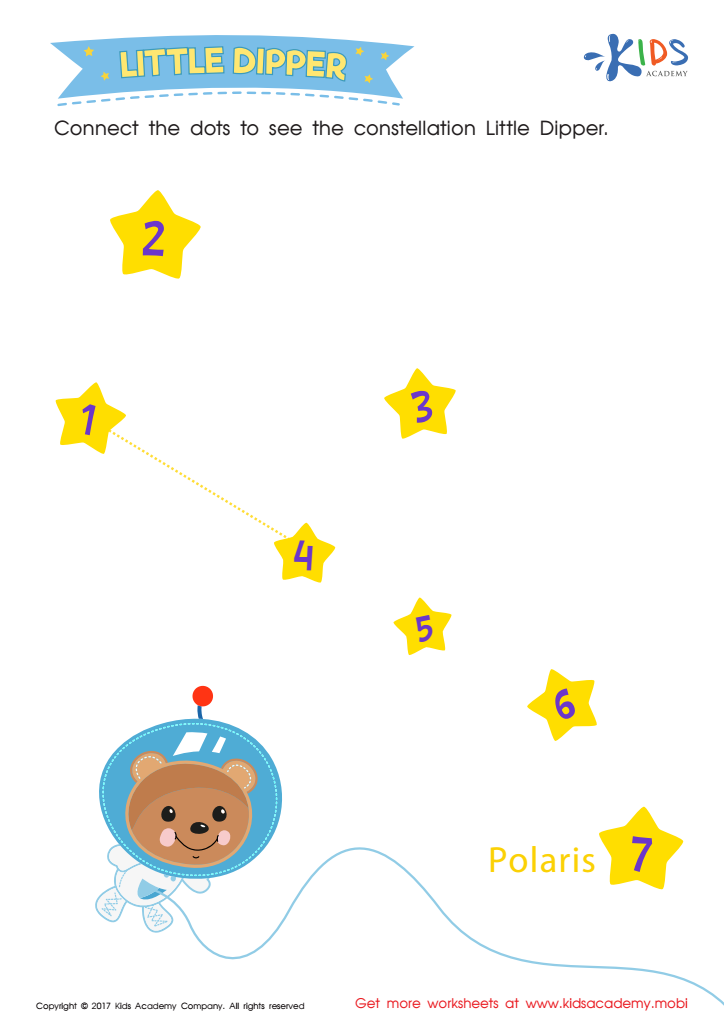
Discover our "Fine Motor Skills Easy World Around Us Worksheets" designed specifically for 4-year-olds! These engaging worksheets offer young learners a fun way to strengthen their fine motor skills through vibrant activities related to their surroundings. Each worksheet is creatively crafted to capture children's interest while enhancing hand-eye coordination, dexterity, and control. From tracing and cutting to coloring and connecting, these exercises encourage children to explore the world around them and develop essential skills for school readiness. Perfect for home or classroom use, our worksheets provide a playful and effective learning experience for little hands eager to grow and learn!
Favorites
With answer key
Interactive

 Assign to My Students
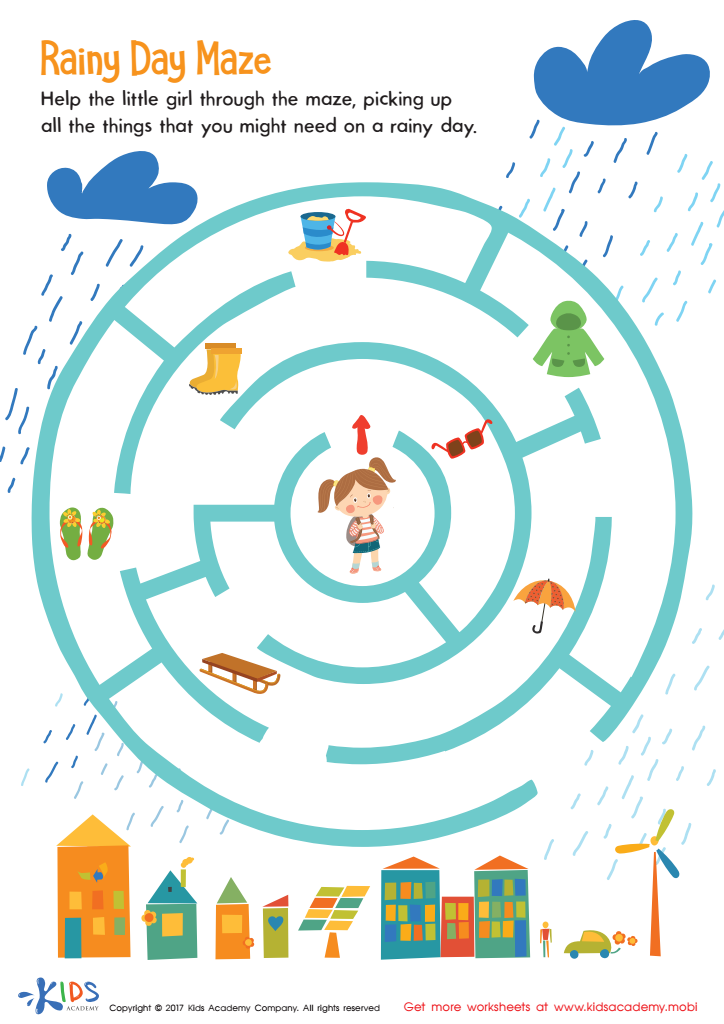
Rainy Day Maze Worksheet
Help your child use critical and problem solving skills to choose the right items! With this fun rainy day worksheet, they'll have a blast helping the character in the maze while learning about weather. Let’s get started!
Rainy Day Maze Worksheet
Worksheet
Join Kids Academy for Free
Who is primarily going to use this learning content?








Fine motor skills are essential developmental milestones for young children, particularly for 4-year-olds. These skills involve the use of small muscles in the hands and fingers, enabling kids to perform tasks that require precision and control, such as holding a crayon, using scissors, or buttoning clothing. Parents and teachers should prioritize fine motor skill development as they are crucial for children's daily activities and overall learning.
Firstly, fine motor skills support academic readiness. Activities like drawing, writing, and manipulating small objects sharpen hand-eye coordination and spatial awareness, which are foundational for tasks in literacy and numeracy.
Secondly, these skills foster independence. As children learn to dress themselves, prepare small snacks, or complete puzzles, they gain confidence and self-efficacy, leading to higher self-esteem.
Lastly, fine motor development promotes cognitive growth. Engaging in hands-on activities stimulates brain connections, encouraging problem-solving and critical thinking skills.
Incorporating play-based activities into daily routines—like arts and crafts, building blocks, or sensory play—makes developing fine motor skills enjoyable for children and reinforces their learning. Investing time and effort in these skills sets a strong foundation for lifelong learning and personal development.