Handwriting practice Easy Letter Recognition Worksheets for Ages 5-6
3 filtered results
-
From - To
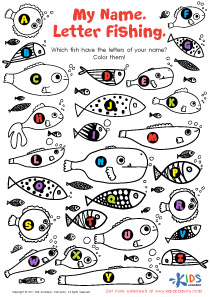
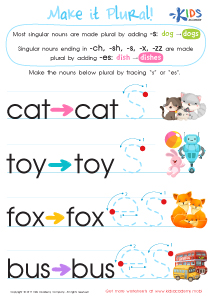
Discover our engaging Handwriting Practice Easy Letter Recognition Worksheets designed for children ages 5-6! These worksheets provide a fun and interactive way for young learners to improve their handwriting skills while mastering letter recognition. Each page features visually appealing letters, guiding children through tracing exercises that enhance fine motor skills and reinforce their understanding of the alphabet. Our carefully crafted activities promote confidence and foster a love for writing. Parents and educators can seamlessly integrate these worksheets into home or classroom learning environments. Let your child embark on a creative journey to solidify their basic writing abilities with our unique handwriting resources!
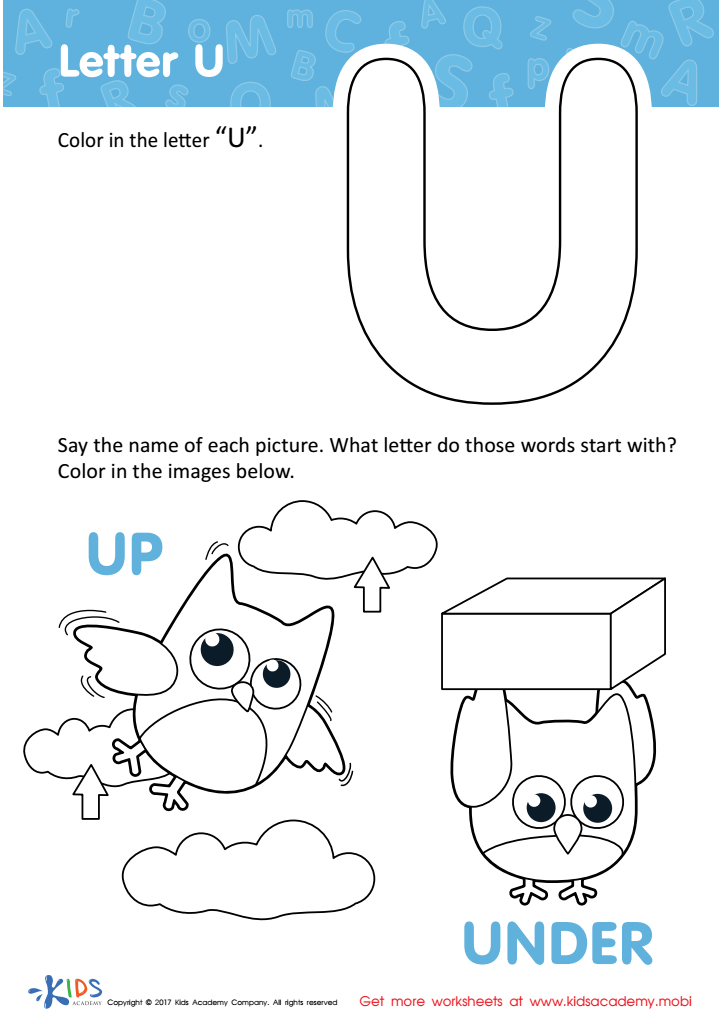
Letter U Coloring Sheet
 Assign to My Students
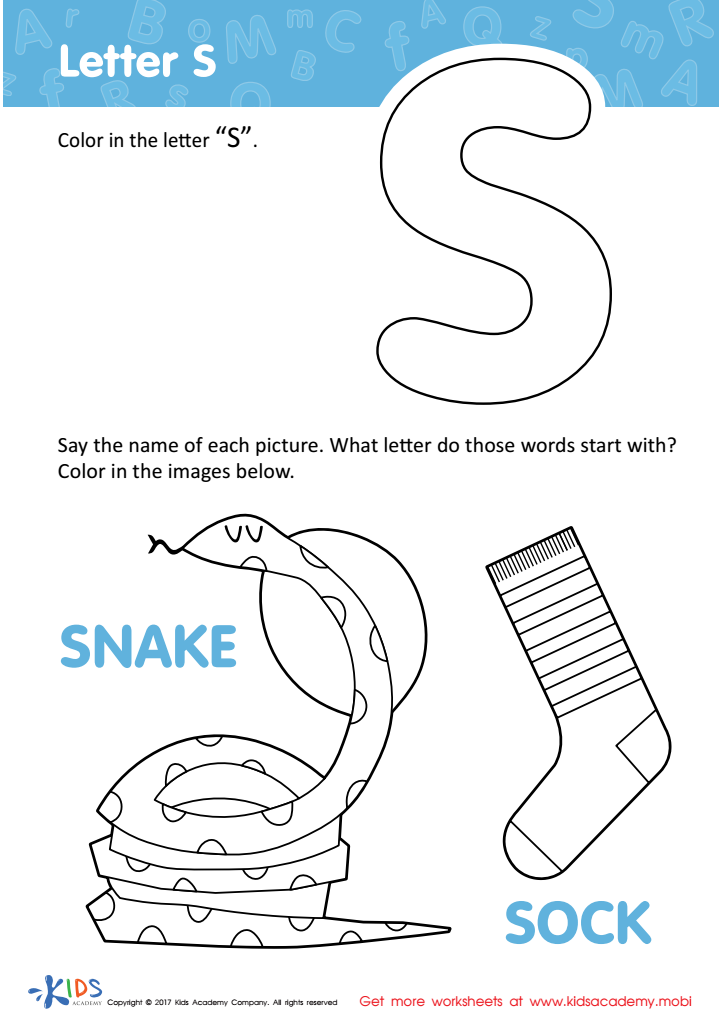
Letter S Coloring Sheet
Assign to My Students
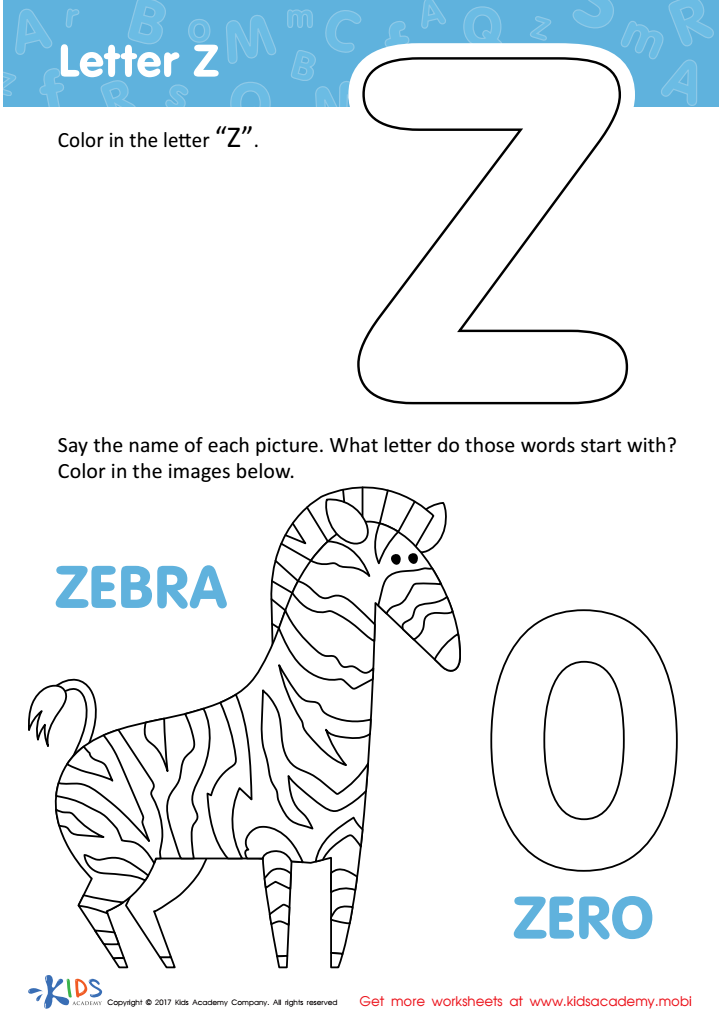
Letter Z Coloring Sheet
Assign to My Students








Handwriting practice and easy letter recognition are crucial developmental milestones for children ages 5-6. At this stage, children are forming the foundation of their literacy skills, which are essential for their overall academic success. Engaging in handwriting practice helps improve fine motor skills, which are vital for controlling writing tools. These skills not only enhance their handwriting but also contribute to better coordination and dexterity in everyday tasks.
Furthermore, easy letter recognition is essential in developing phonemic awareness and reading skills. When children can identify letters and associate them with their sounds, they gain confidence in their reading abilities. They are better prepared to transition from recognizing letters to forming words, sentences, and ultimately, independent writing.
Additionally, practicing handwriting fosters cognitive skills such as memory and attention. The process of forming letters engages the brain in complex ways, strengthening neural connections and enhancing learning.
Moreover, involving parents and teachers in this practice creates a supportive environment. It encourages children to value writing as a fundamental communication tool. Establishing these skills early sets the stage for cognitive growth, creativity, and academic achievement, making it crucial for both parents and teachers to prioritize and facilitate meaningful handwriting and letter recognition activities.