Problem-solving practice Easy Math Worksheets for Ages 5-8
3 filtered results
-
From - To
Enhance your child's math skills with our Problem-Solving Practice Easy Math Worksheets designed for ages 5-8. These interactive and engaging worksheets help young learners develop critical thinking and problem-solving abilities while having fun. Featuring a variety of exercises from basic arithmetic to logical puzzles, your child will build a strong foundation in math. Perfect for classroom or home use, our worksheets align with educational standards to support your child's learning journey. Unlock their potential with tailored activities that make learning math enjoyable and effective. Explore our collection today and empower your child with the skills they need to succeed!
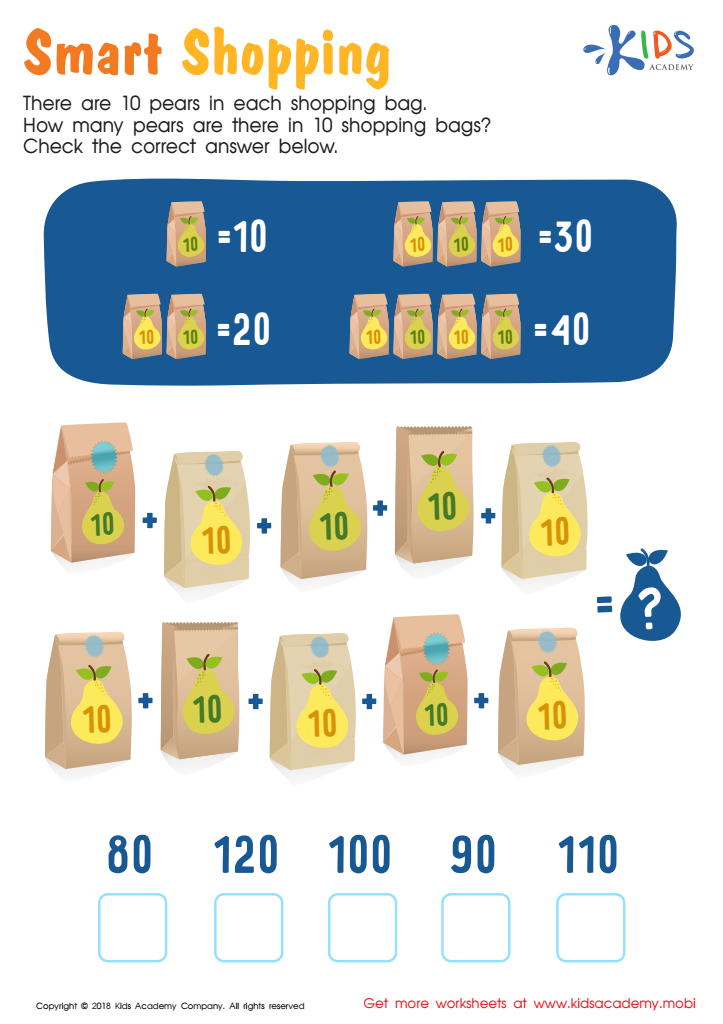
Smart Shopping: Trade Tens for a Hundred Worksheet
 Assign to My Students
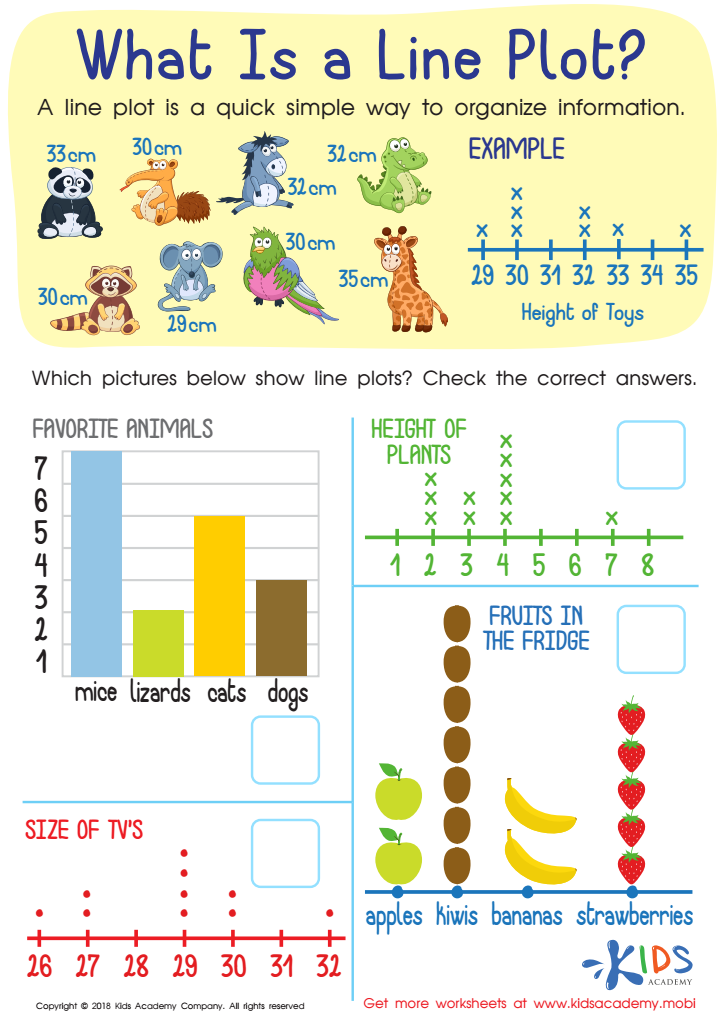
What Is a Line Plot? Worksheet
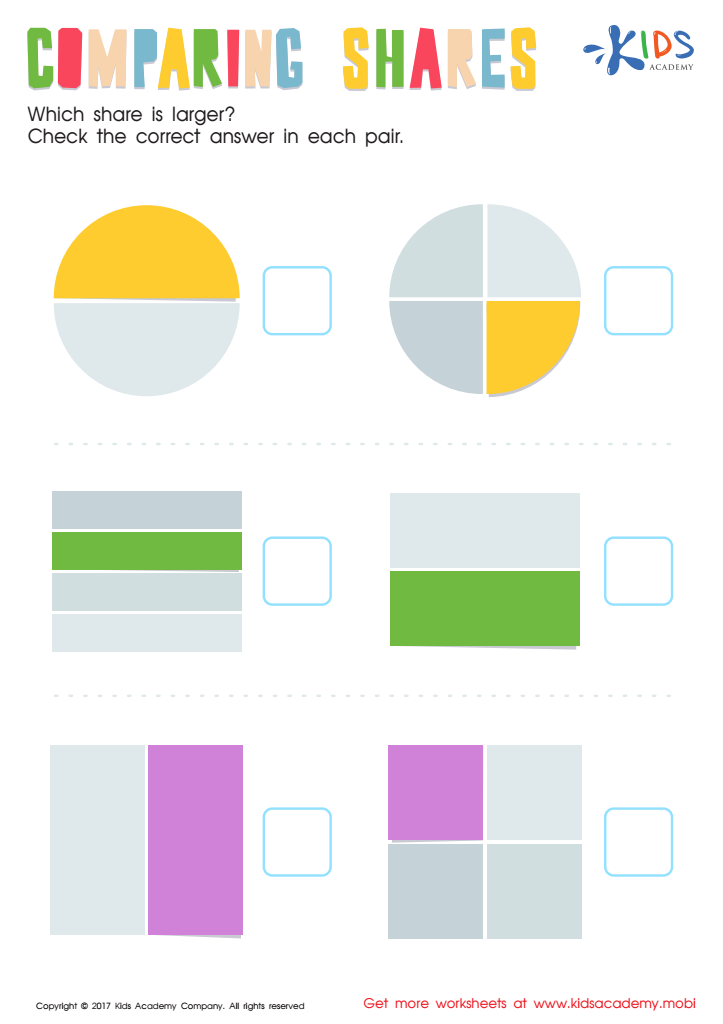
Comparing Shares Worksheet








Problem-solving practice in math for ages 5-8 is critical for several reasons, and both parents and teachers should invest in it to support children's development. First, early exposure to problem-solving helps children develop critical thinking skills. By learning to approach and solve different types of problems, children enhance their cognitive abilities, which are transferable across various subjects and real-life scenarios.
Secondly, engaging in problem-solving activities strengthens foundational math skills. At this impressionable age, students can better grasp basic arithmetic, shape recognition, and numeric relations. This solid foundation can significantly ease their transition to more advanced math concepts in later grades.
Additionally, problem-solving practice bolsters confidence and perseverance. When children successfully work through problems, they gain a sense of accomplishment and confidence in their abilities. Conversely, working through difficulties teaches them perseverance and resilience, essential life skills.
Parents and teachers play crucial roles by providing appropriate challenges, encouragement, and support. Interactive and fun problem-solving tasks can instill a love for math and learning. In short, early math problem-solving practice equips children with invaluable intellectual tools and a positive mindset, setting them up for long-term academic and personal success.








