Writing practice Easy Letter Recognition Worksheets for Ages 5-9
3 filtered results
-
From - To
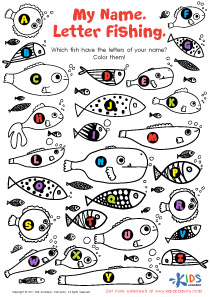
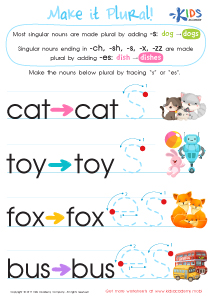
Enhance your child's writing and letter recognition skills with our Easy Letter Recognition Worksheets designed for ages 5-9. These engaging worksheets provide a fun and interactive approach for young learners to identify, trace, and write letters while reinforcing their understanding of the alphabet. Featuring colorful illustrations and simple activities, our resources cater to various learning styles, ensuring that children develop confidence in their writing abilities. Perfect for home or classroom use, these worksheets offer a seamless integration of learning and play. Get started today and watch your child thrive as they explore the world of letters through enjoyable writing practice!
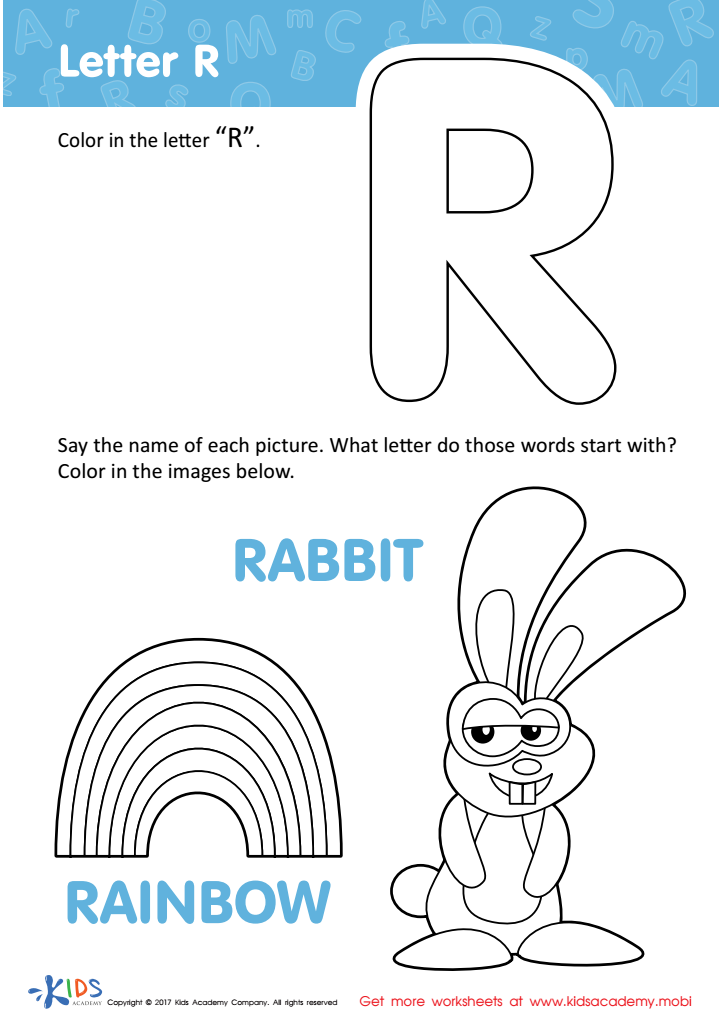
Letter R Coloring Sheet
 Assign to My Students
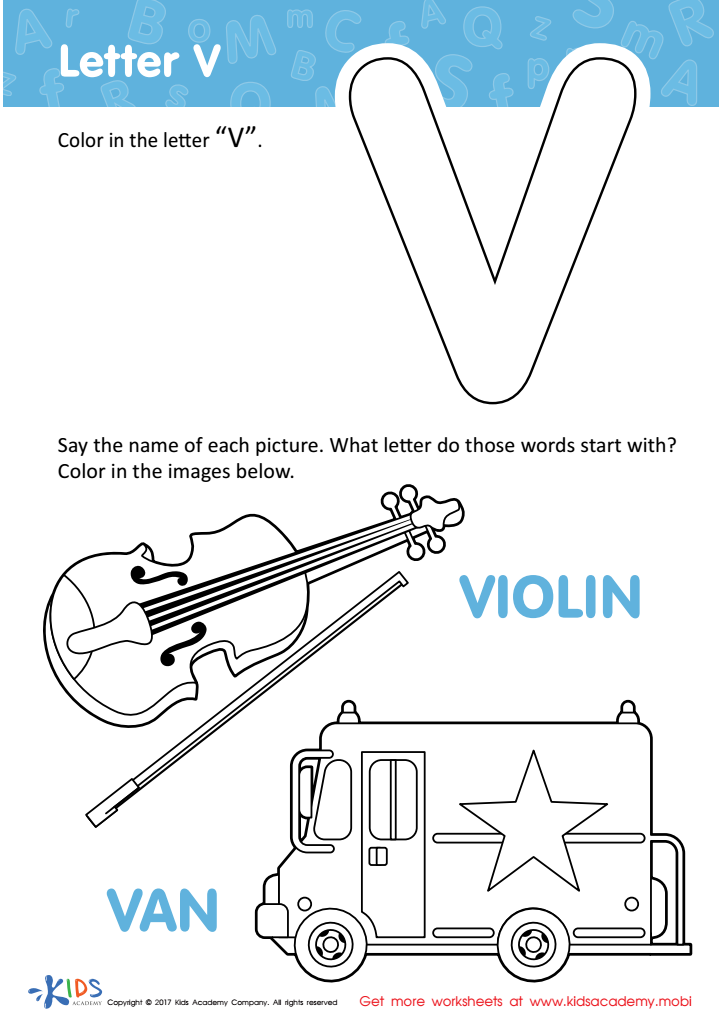
Letter V Coloring Sheet
Assign to My Students
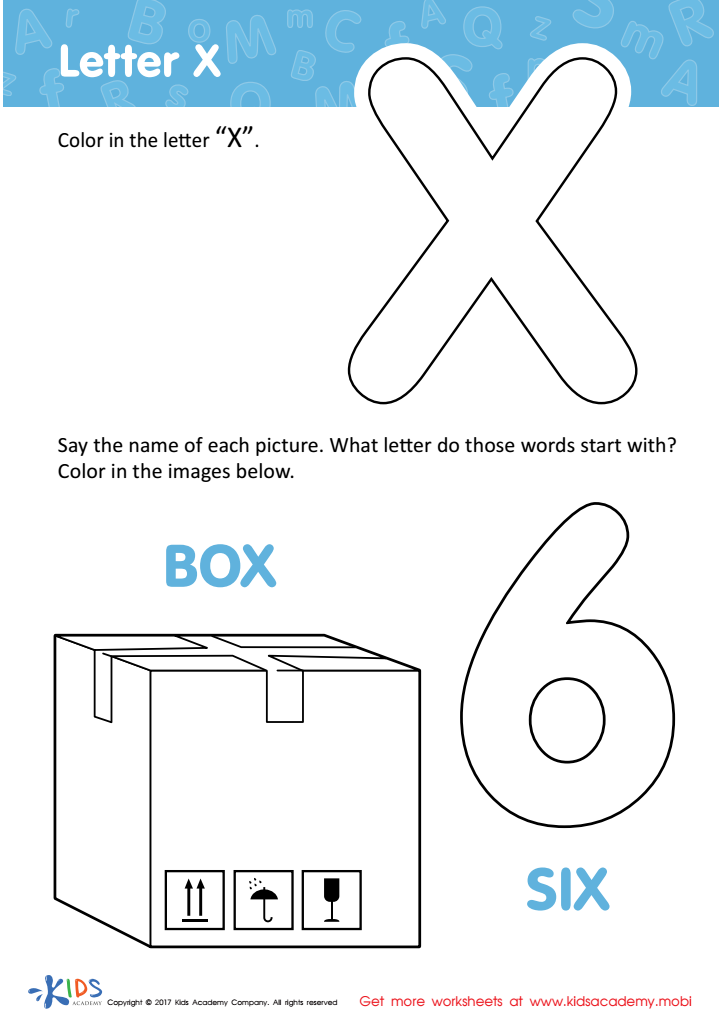
Letter X Coloring Sheet
Assign to My Students








Writing practice and easy letter recognition are crucial skills for children aged 5-9, as they form the foundation for effective communication and literacy development. At this age, children are eager learners, and addressing these skills helps nurture their cognitive and fine motor development. Recognizing letters enables children to connect sounds to symbols, which is essential for reading and spelling.
Effective writing practice fosters creativity and self-expression. As children learn to form letters and words, they gain the confidence to articulate their thoughts and ideas on paper. This ability contributes positively to their academic performance and self-esteem.
For parents and teachers, engaging children in writing practice can enhance classroom learning and home experiences. It creates opportunities for interaction, bonding, and assessment of the child’s developmental progress. Moreover, incorporating enjoyable activities, like games and storytelling, can make learning more relatable and impactful.
Prioritizing easy letter recognition and writing practice equips children with essential tools for future learning. Establishing a solid foundation in these early years increases the likelihood of academic success and lifelong literacy, making it a worthwhile endeavor for parents and educators alike.