Understanding patterns Easy Multiplication Worksheets for Ages 5-9
4 filtered results
-
From - To
Discover the joy of learning with our "Understanding Patterns Easy Multiplication Worksheets" designed specifically for children aged 5-9. These engaging and interactive resources help young learners grasp fundamental multiplication concepts through patterns, visual aids, and hands-on activities. By connecting numbers and recognizing multiplication sequences, students build essential skills while boosting their confidence in math. Each worksheet is tailored to create a fun learning environment, allowing kids to explore patterns at their own pace. Perfect for classrooms or homeschooling, these worksheets are a valuable tool to foster a solid foundation in mathematics. Encourage your child's mathematical journey today!
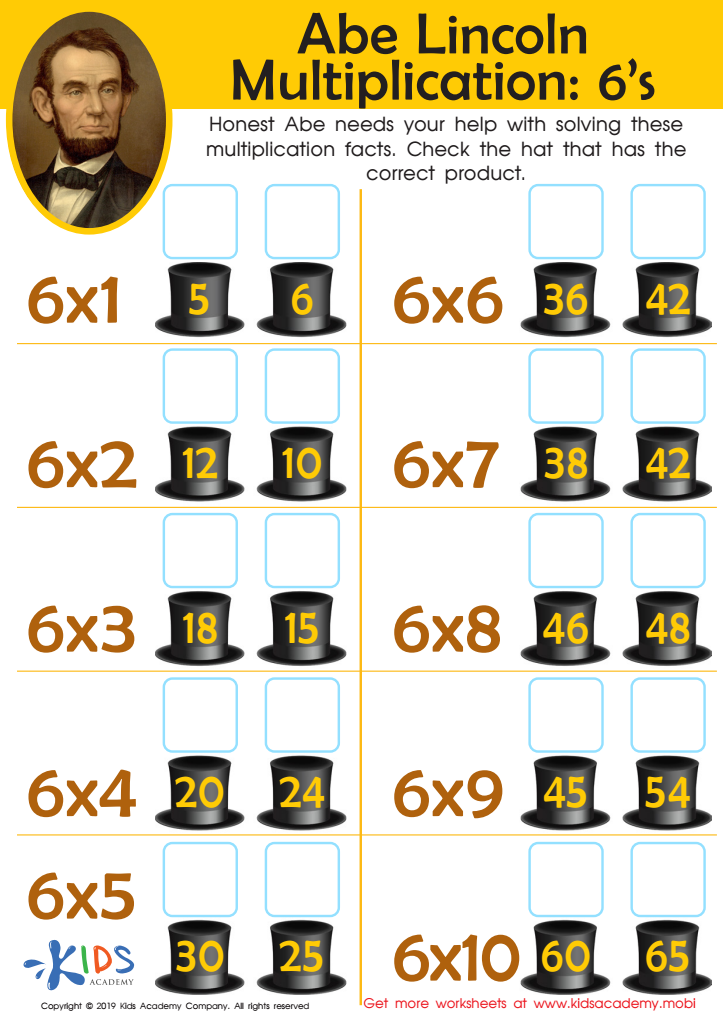
Abe Lincoln Multiplication: 6’s Worksheet
 Assign to My Students
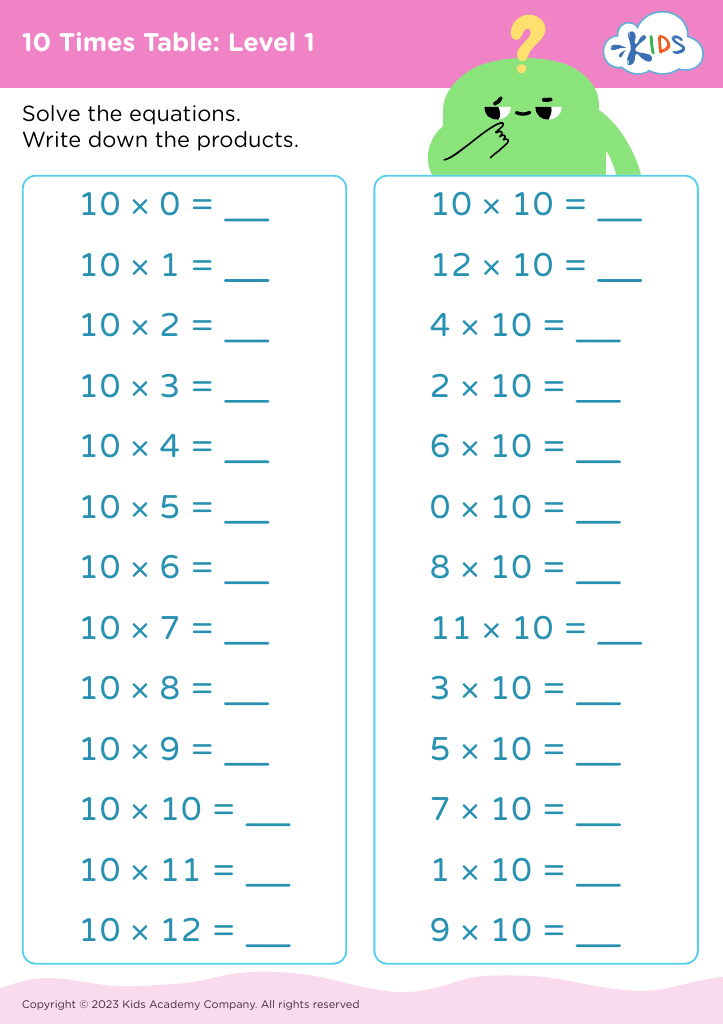
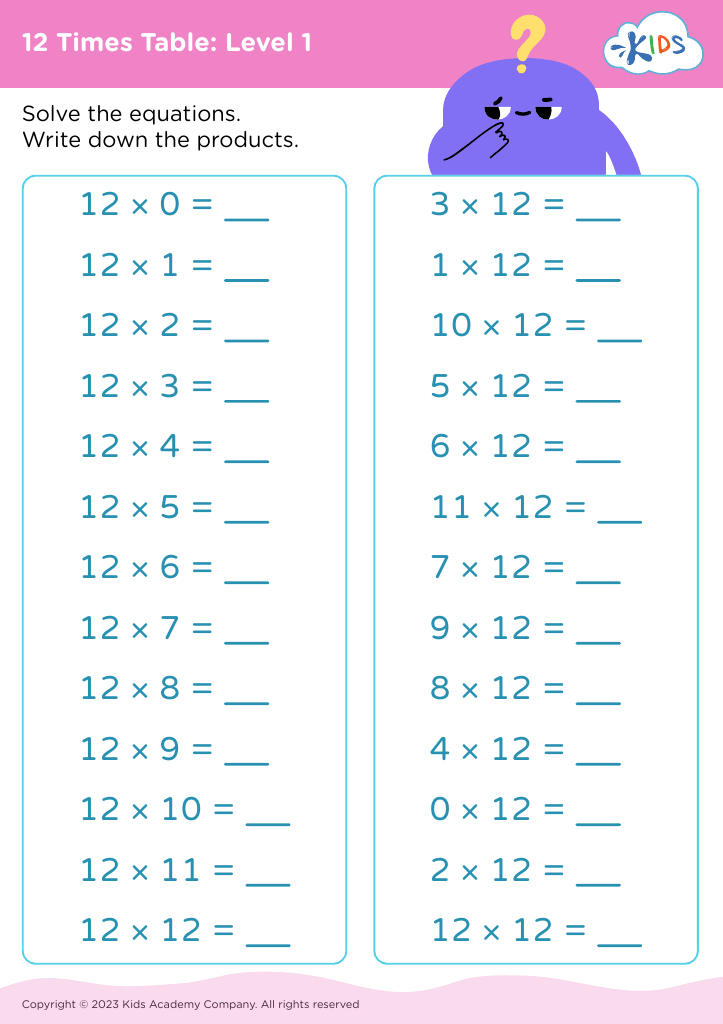
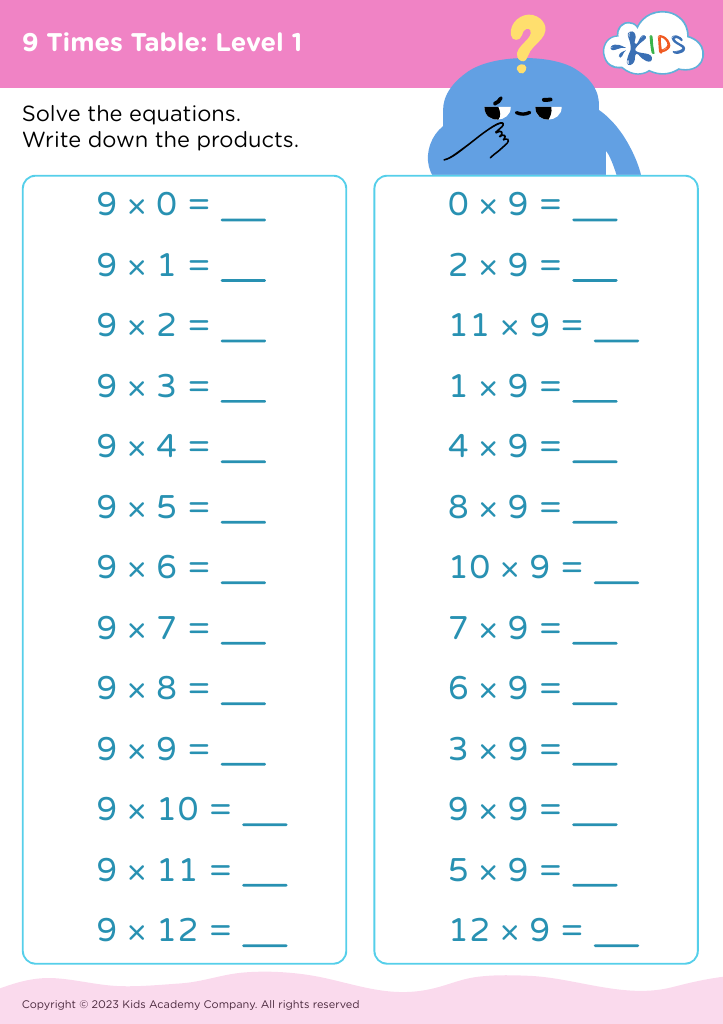




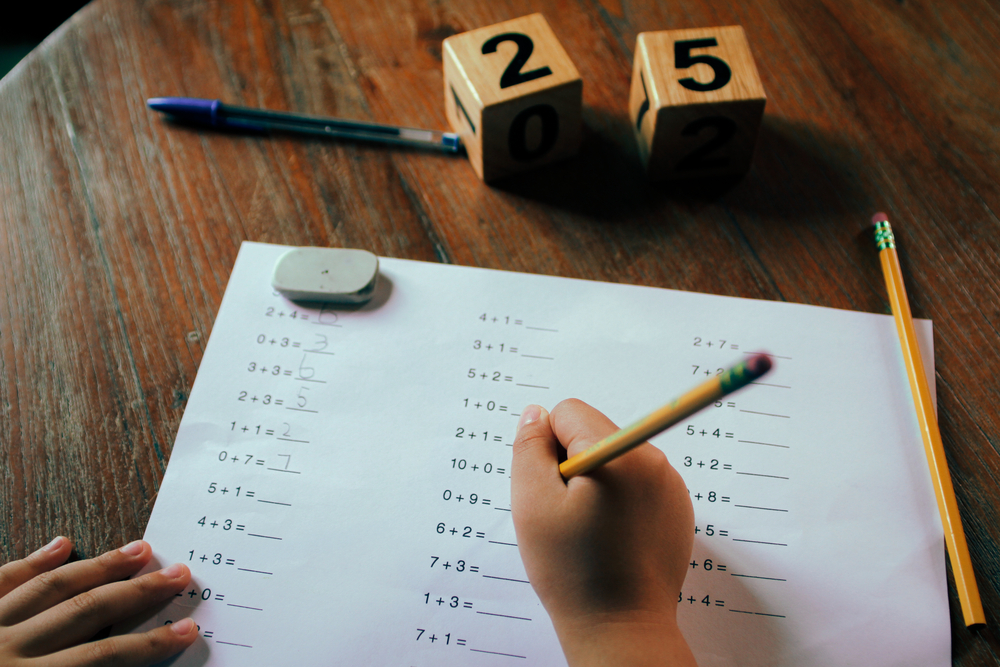



Understanding patterns and easy multiplication is crucial for children aged 5-9, as it lays a foundational math skill set and promotes critical thinking. At this age, children's brains are highly receptive to recognizing patterns, which is a vital component of math. Patterns help them make sense of relationships among numbers, making the concept of multiplication significantly simpler.
When children grasp multiplication as repeated addition based on patterns, they not only learn to solve problems efficiently, but they also develop a deeper understanding of numbers. This mastery enhances their confidence, reducing math anxiety and fostering a positive attitude towards mathematics that will benefit their learning throughout school and beyond.
Teachers and parents play an essential role in nurturing these skills. Engaging students with fun, hands-on activities—like grouping objects or creating musical patterns—can solidify their comprehension of multiplication concepts. Furthermore, an early emphasis on patterns and math fluency sets the stage for more complex mathematical concepts later on.
By understanding this foundational learning, adults can create a supportive environment that encourages exploration, builds perseverance, and promotes a lifelong love for math. Consequently, investing time in teaching patterns and multiplication yields significant benefits for children’s academic development.








