Counting skills Easy Numbers up to 100 Worksheets for Ages 5-9
6 filtered results
-
From - To
Introducing our "Counting Skills Easy Numbers Up to 100 Worksheets" designed for children ages 5-9! These engaging and interactive worksheets help young learners build fundamental counting skills in a fun and enjoyable way. Each worksheet focuses on numbers up to 100, encouraging students to practice counting, number recognition, and basic arithmetic. With colorful illustrations and age-appropriate activities, children will be motivated to explore the world of numbers while developing essential math skills. Perfect for classroom use or at-home learning, our materials promote self-paced learning and instill confidence in young mathematicians. Download now and watch your child thrive in their counting abilities!
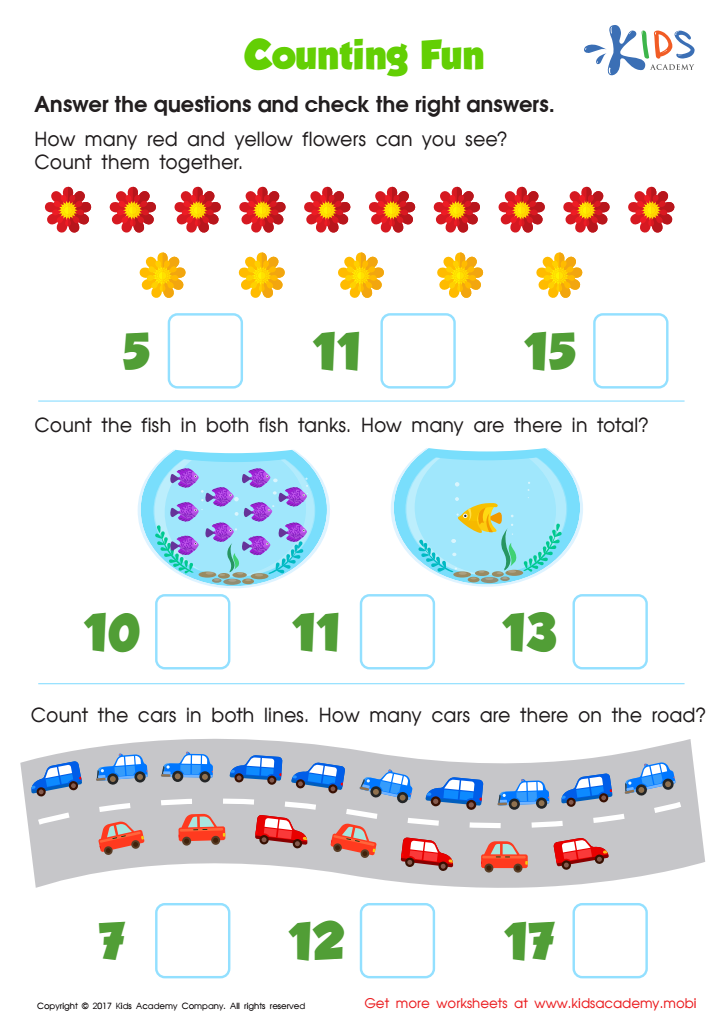
Counting Fun Worksheet
 Assign to My Students
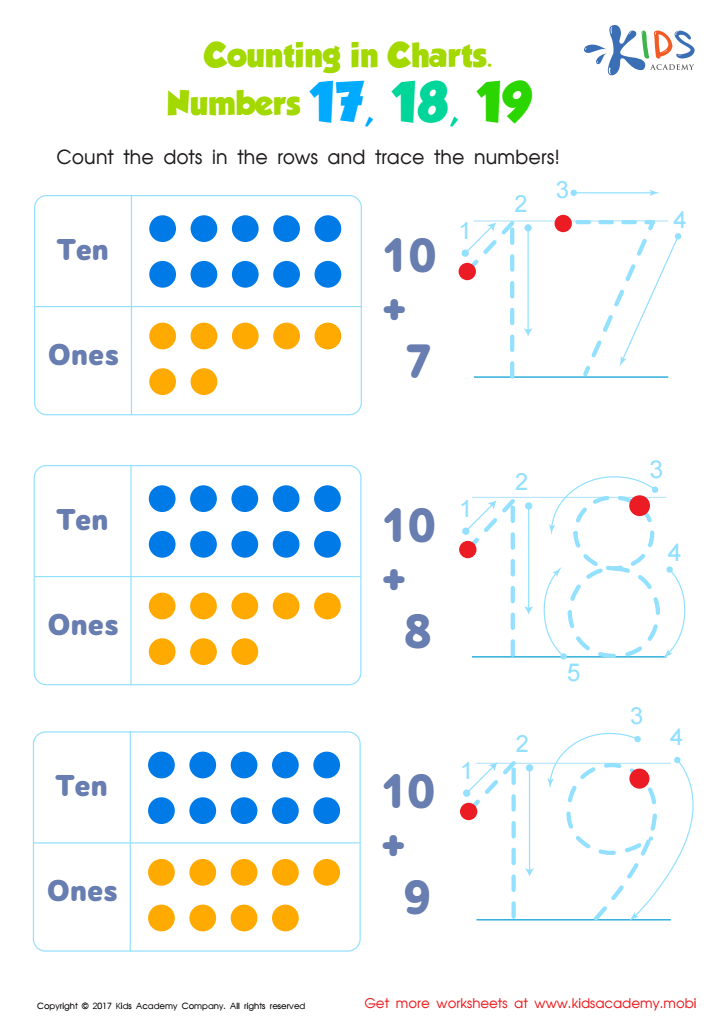
Kindergarten Number Tracing: Counting in Charts Worksheet
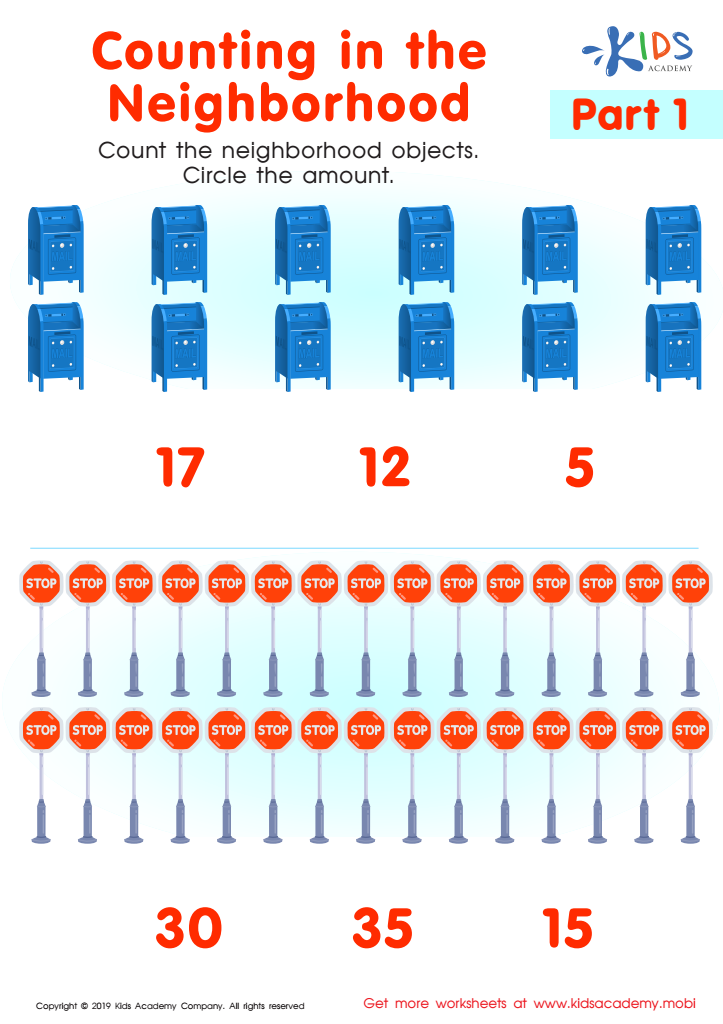
Counting in the Neighborhood Part1 Worksheet
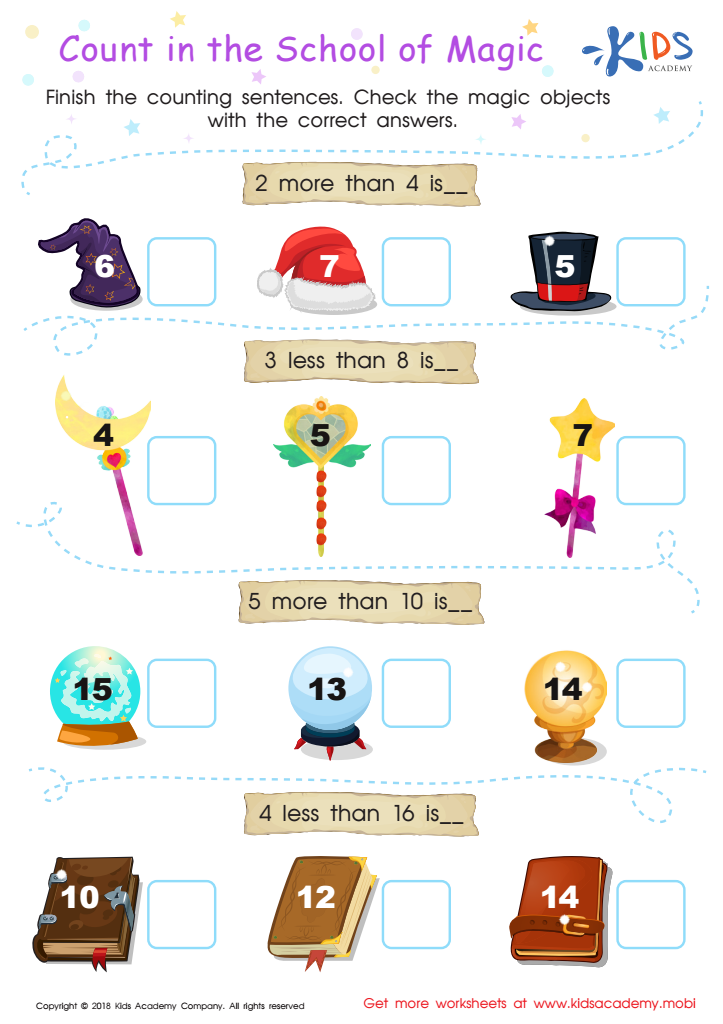
Count in the School of Magic Worksheet
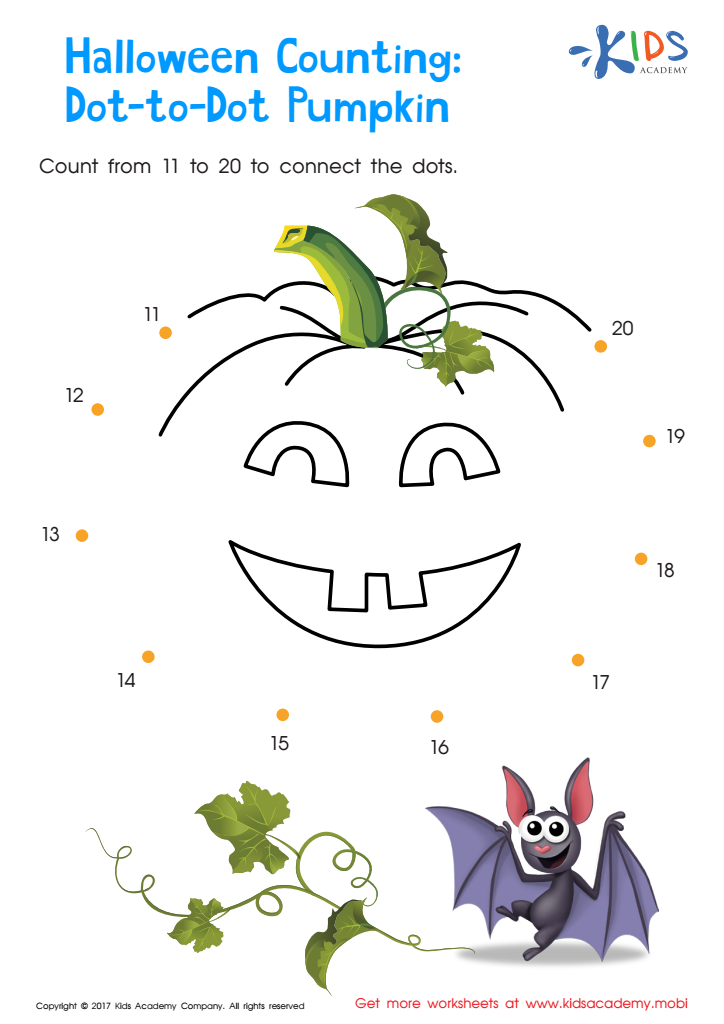
Ordering 11–20: Halloween Counting Worksheet
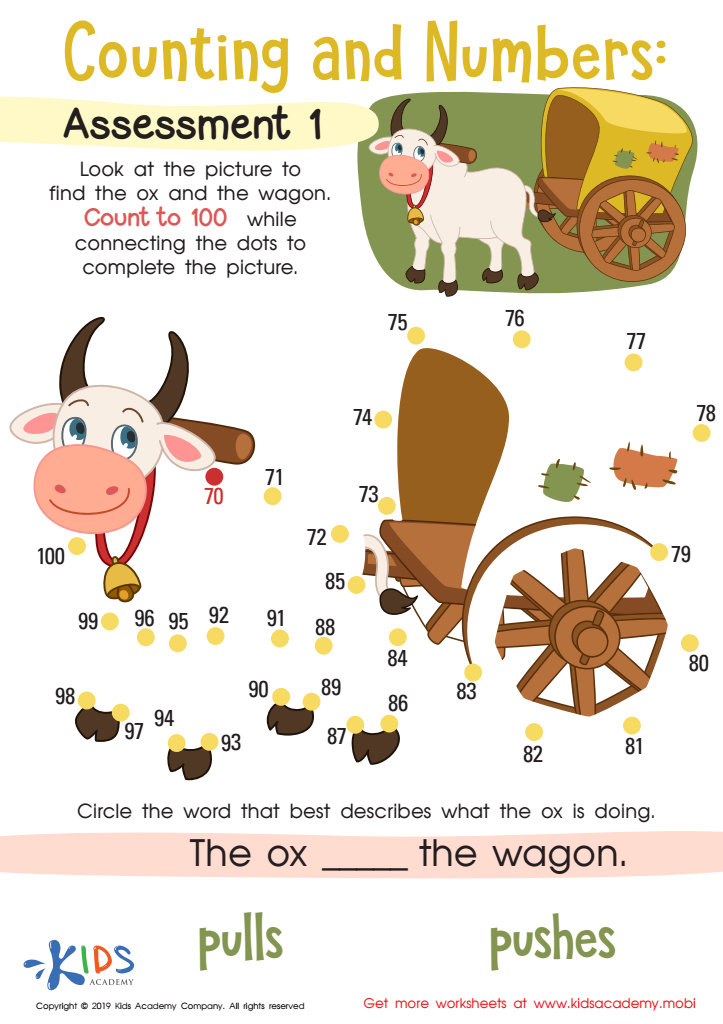
Counting and Numbers: Assessment 1 Worksheet



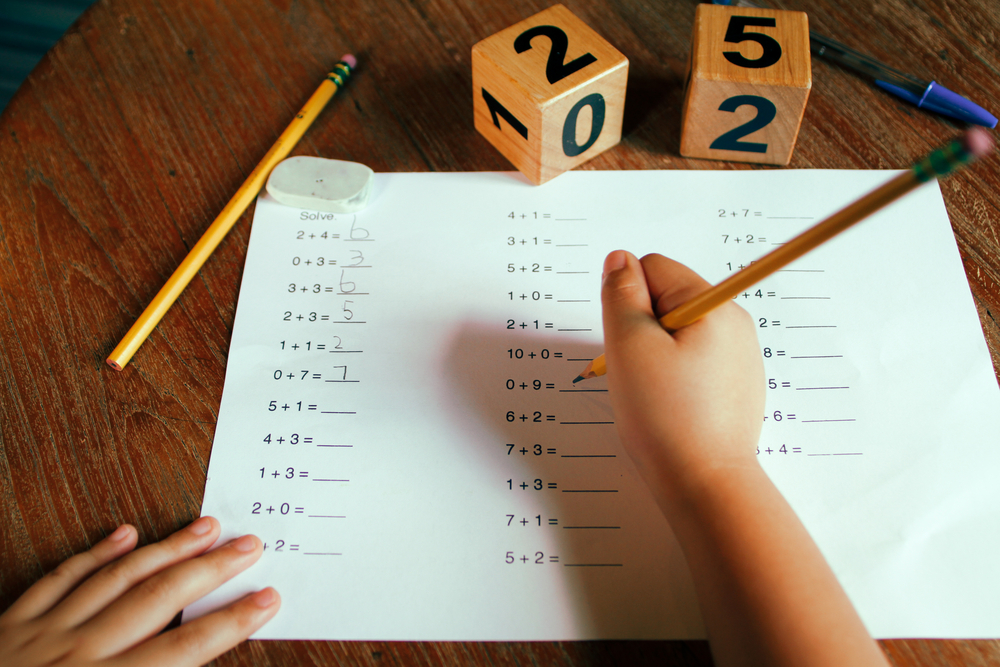




Counting skills in young children, particularly those aged 5-9, form the foundation for more advanced mathematics and everyday problem-solving. Mastering easy numbers up to 100 is critical for several reasons. First, it enhances cognitive development by helping children understand quantity, order, and the relationship between numbers. This foundational skill fosters a sense of numeracy that is essential for later success in math-related subjects.
Moreover, counting is integral to real-world applications, from handling money and time to organizing items and playing games. Teachers and parents can encourage counting through interactive activities, reinforcing learning in a fun way. These early counting skills also support literacy development as students begin to recognize patterns in numbers and transfer those skills to the word and letter structures.
Additionally, upset students often struggle with basic math concepts, resulting in a negative attitude toward learning. By emphasizing counting ease, educators and parents can build confidence and enthusiasm in children. This strong numerical foundation helps pave the way for more complex problem-solving and mathematical reasoning, equipping them for future academic success. Consequently, fostering counting skills is essential for both immediate learning and long-term student development.