Color recognition Easy Social Studies Worksheets for Ages 5-9
3 filtered results
Difficulty Level
Grade
Age
-
From - To
Subject
Activity
Standards
Unlock a vibrant learning experience with our "Color Recognition Easy Social Studies Worksheets" designed for children ages 5-9! These engaging worksheets seamlessly blend color learning with essential social studies concepts, fostering creativity and critical thinking. Each activity encourages students to explore colors in real-world contexts, enhancing their understanding of the community around them. Perfect for teachers and parents, our resources promote interactive learning while ensuring the foundational concepts of social awareness are understood. With a variety of fun and easy-to-follow exercises, your child will develop confidence in color recognition and social studies simultaneously. Discover a world of color today!
Favorites
With answer key
Interactive
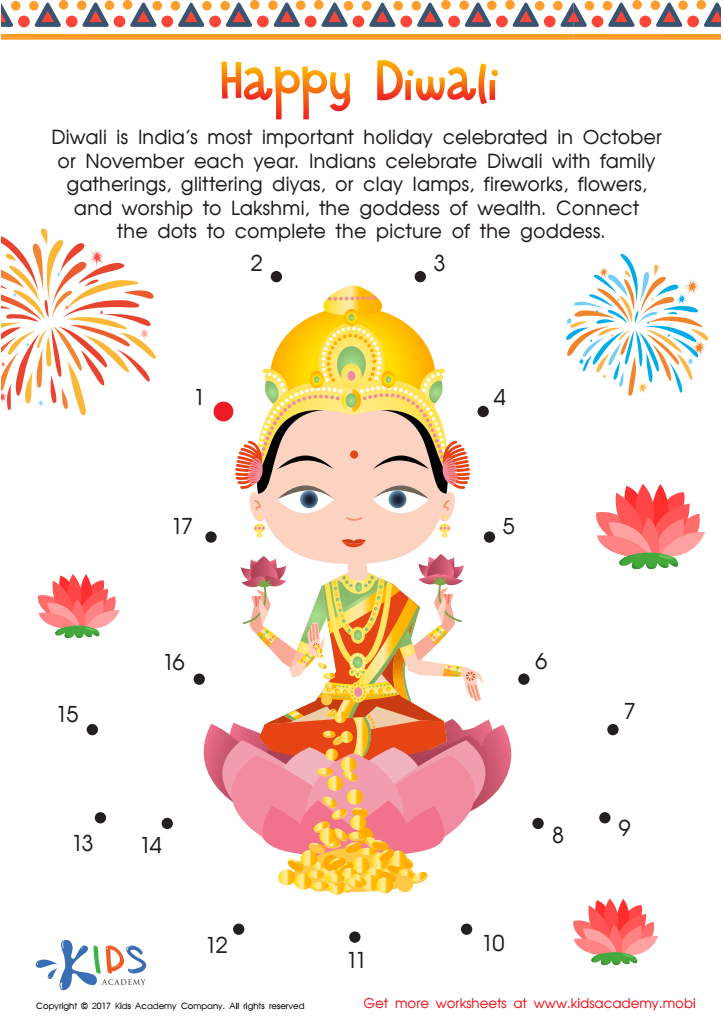
Happy Diwali Printable
Explore India this Diwali! Learn about India's most significant holiday, Diwali, with this fun-filled printable activity for kids. Your child can gain an appreciation for Indian culture with this Diwali dot to dot worksheet.
Happy Diwali Printable
Worksheet
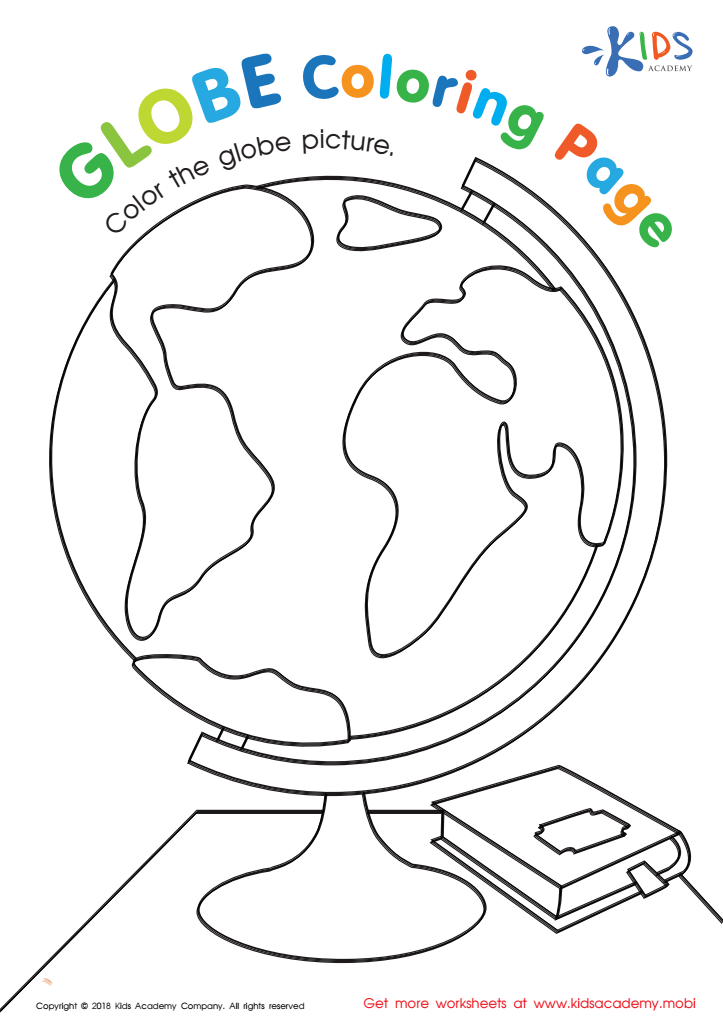
Globe Coloring Page Worksheet
Kids love coloring! Save yourself stress by giving them coloring sheets instead of letting them color on furniture and walls. This worksheet has a fun activity that engages their hands and mind - ask them to color the globe picture, and help them pick the colors.
Download (PDF)
 Assign to My Students
Assign to My Students
Globe Coloring Page Worksheet
Worksheet
Join Kids Academy for Free
Who is primarily going to use this learning content?





Color recognition is a fundamental skill that serves as an essential building block for young children's learning, particularly in the context of social studies. For parents and teachers, fostering this skill in children aged 5-9 can enhance their overall cognitive and social development. Understanding colors helps children differentiate and categorize their environment, which is crucial for early learning and comprehension of more complex concepts.
Moreover, engaging children in social studies content with color recognition activities can stimulate their interest in culture, geography, and social interactions. For instance, teaching children about different countries using their flags, or exploring various cultural attire, introduces diverse societal aspects while reinforcing color recognition. This integration nurtures their global awareness and cultural sensitivity.
Additionally, color recognition is tied to emotional expression and creativity. Learning about colors enables children to communicate feelings and ideas visually, essential components of emotional intelligence. By prioritizing color recognition in early education, parents and teachers can support not only academic growth but also social skills and emotional development.
Overall, incorporating color recognition into social studies enriches children's educational experiences, promotes curiosity, and paves the way for lifelong learning. Investing in these early skills is invaluable for creating well-rounded individuals equipped for the complexities of society.