Categorization skills Easy Worksheets for 5-Year-Olds
5 filtered results
-
From - To
Discover engaging categorization skill worksheets designed specifically for 5-year-olds! Our easy-to-use resources help young learners explore the concept of grouping objects based on shared characteristics. These worksheets make learning fun and interactive, strengthening kids' ability to identify similarities and differences across various categories, such as animals, colors, and shapes. With vibrant illustrations and age-appropriate challenges, your child will develop critical thinking and organizational skills while enhancing their cognitive abilities. Perfect for home or classroom use, these printable worksheets are ideal for supporting early childhood education in a playful way. Start building a strong foundational understanding of categorization today!
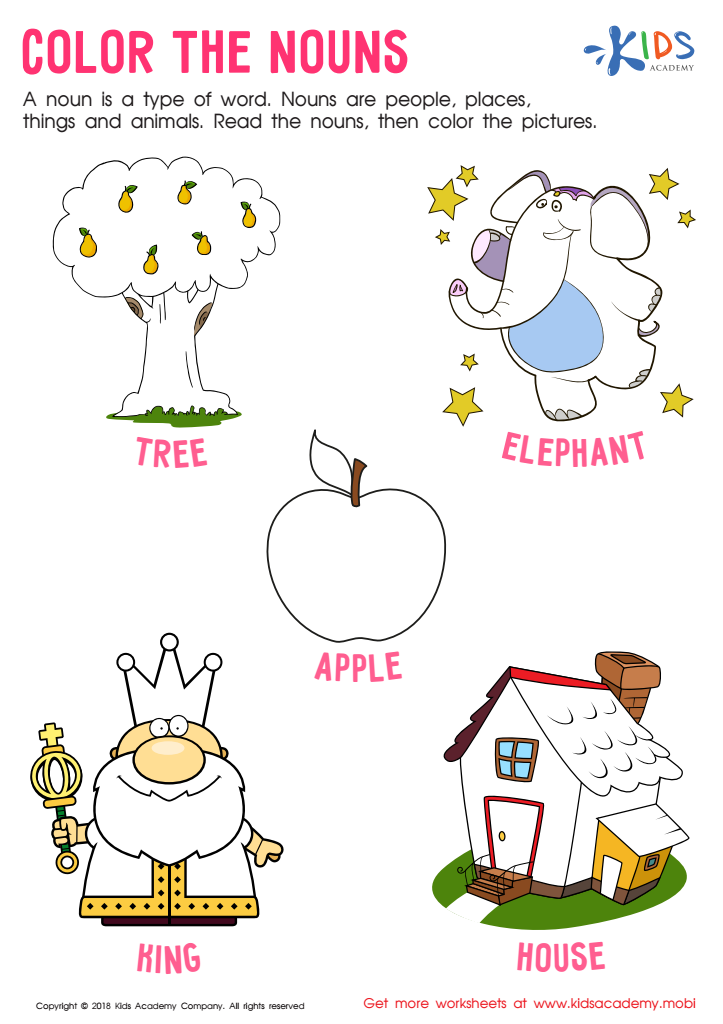
Color the Nouns Worksheet
 Assign to My Students
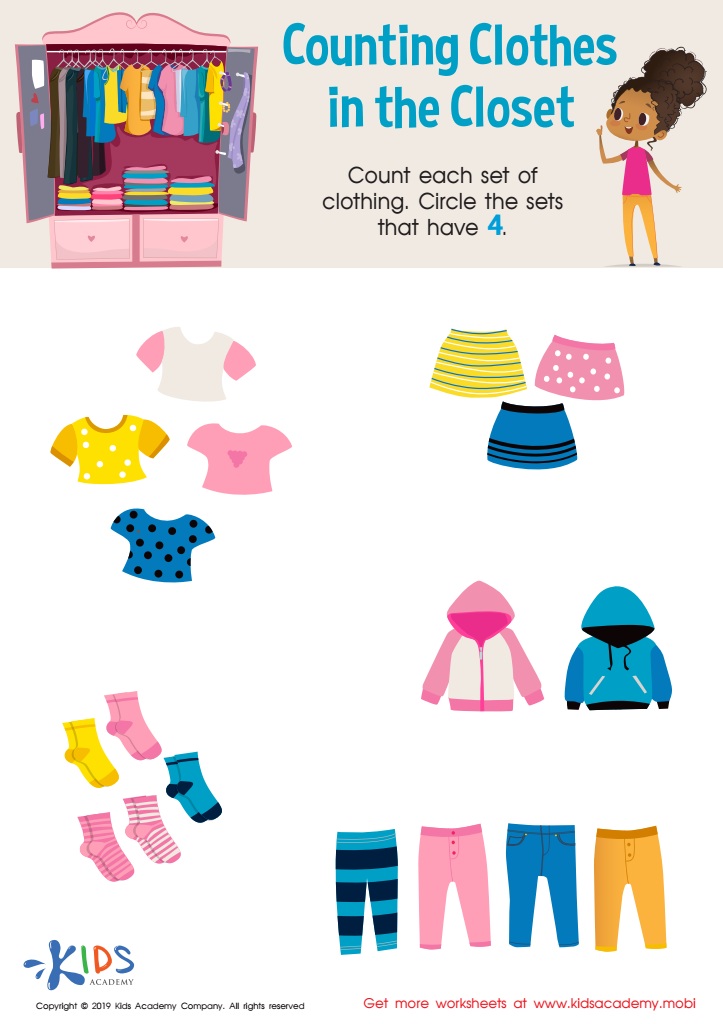
Counting Clothes Worksheet
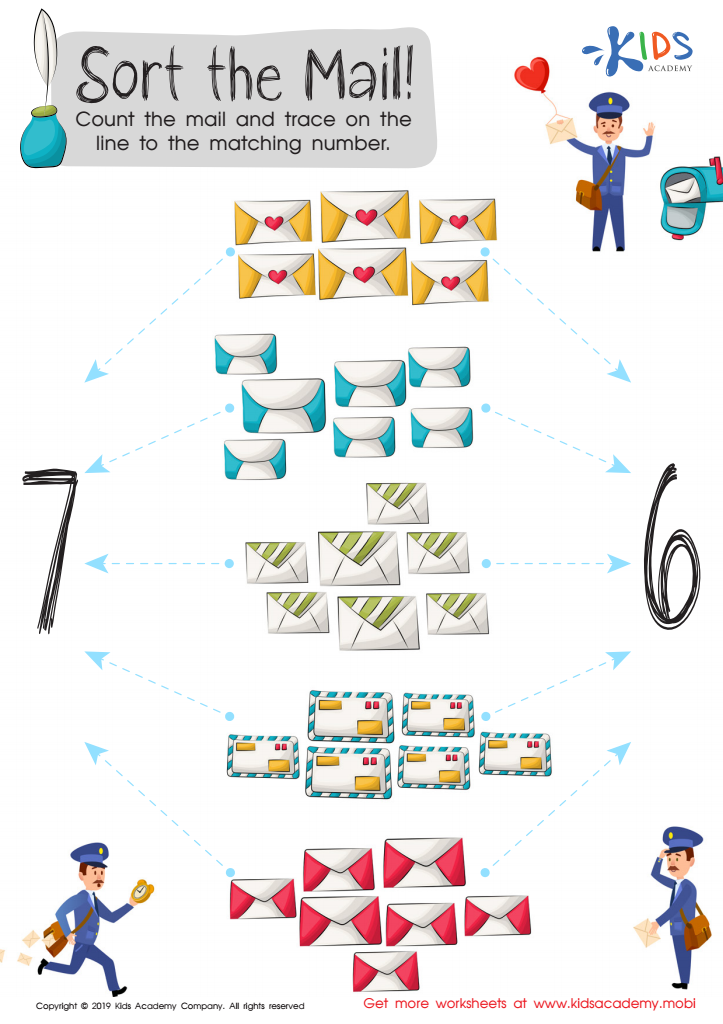
Sort the Mail Worksheet
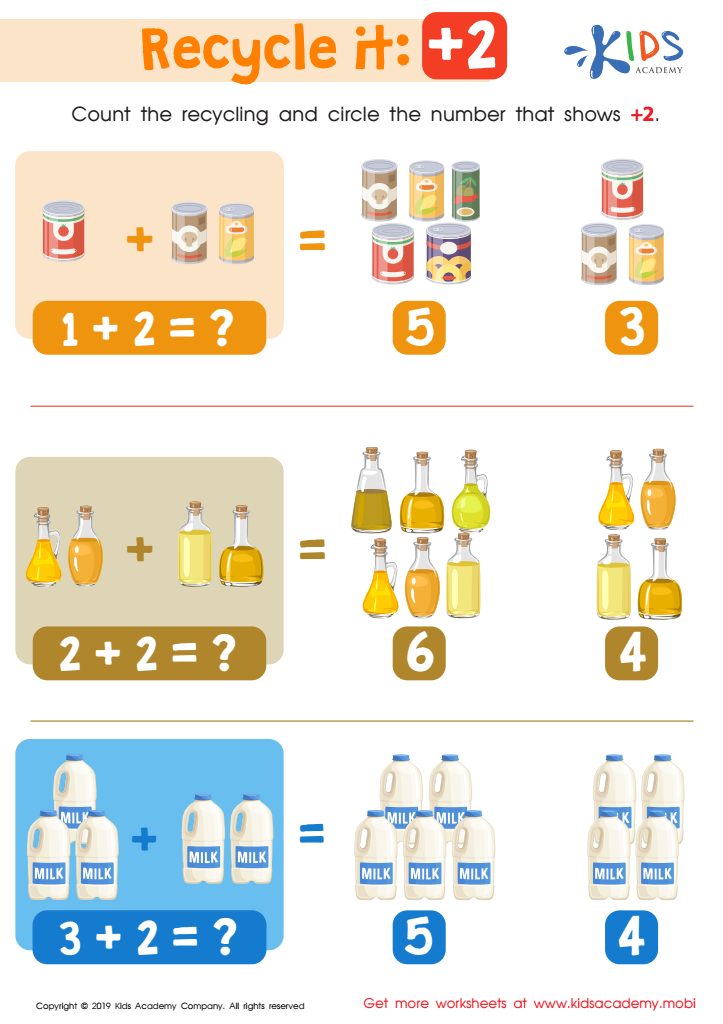
Recycle It: +2 Worksheet
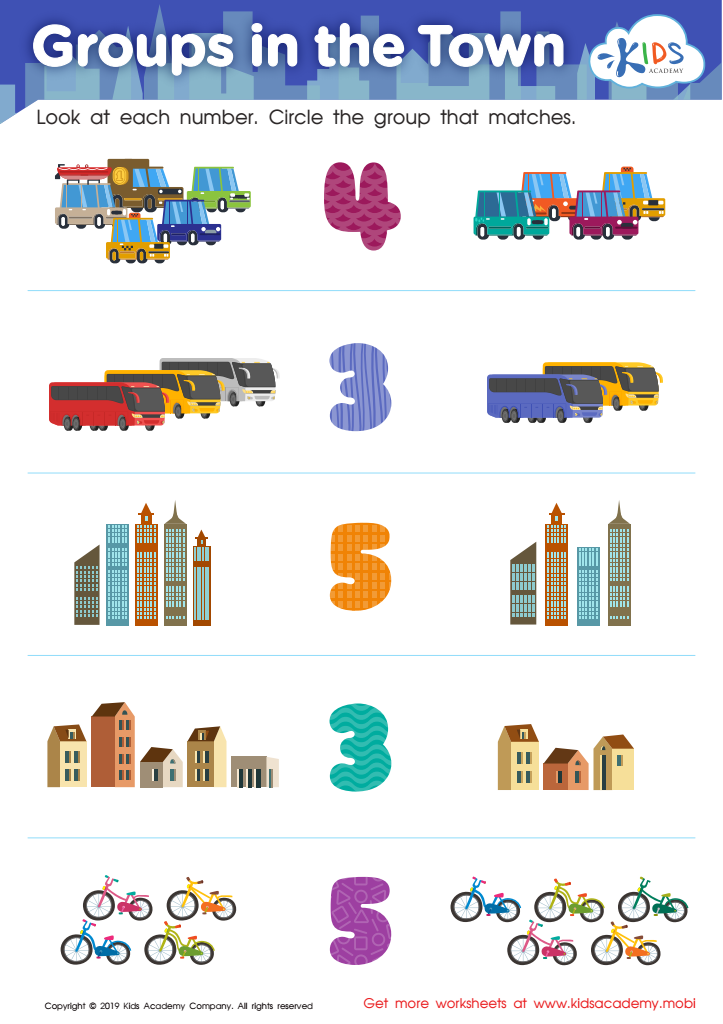
Groups in the Town Worksheet




.jpg)
Categorization skills are crucial for the development of young children, especially for 5-year-olds. At this age, children are naturally curious and eager to explore their surroundings. Understanding how to categorize objects, ideas, and experiences not only enhances their cognitive development but also lays the groundwork for critical thinking and problem-solving skills.
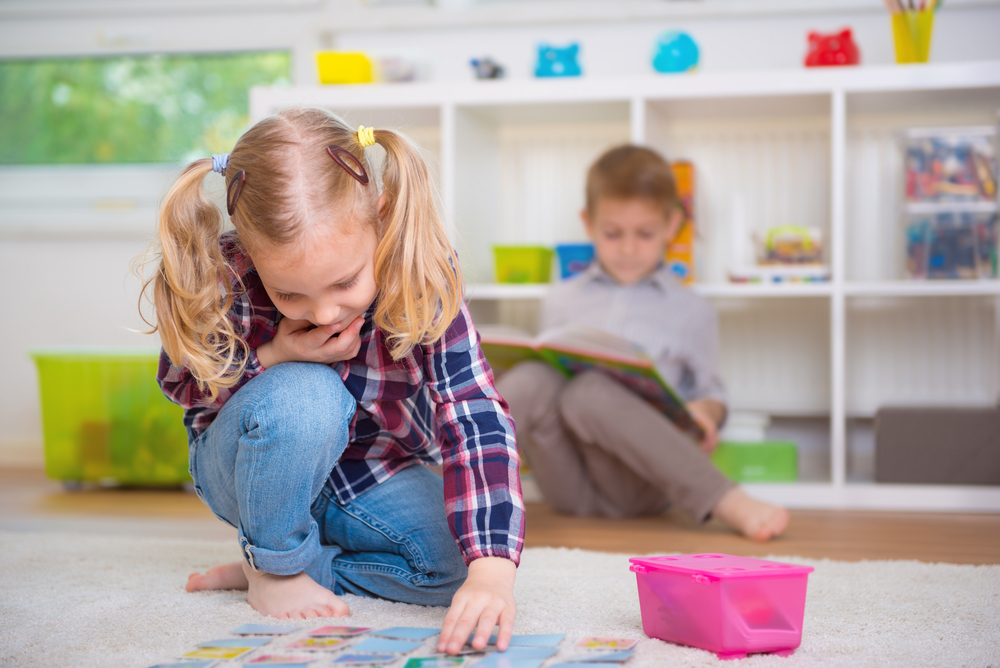
When parents and teachers emphasize categorization, they help children make sense of the world. For instance, when children sort toys by color or type, they learn to identify similarities and differences. This process cultivates language skills as they learn the vocabulary associated with various categories—like "shapes," "animals," or "colors." It encourages logical thinking, as children learn to group items based on shared characteristics.
Additionally, categorization skills foster social skills. For example, when playing with peers, children often organize games or activities based on categories, which enhances teamwork and communication. Ultimately, these skills support academic readiness and comprehension in subjects like math and science, which frequently involve categorization from early on.
By prioritizing the development of categorization skills, parents and educators enable children to become independent learners who can navigate their environment effectively, enhancing their confidence and creativity as they grow.








