Fine motor development Easy Worksheets for 5-Year-Olds
3 filtered results
-
From - To
Enhance your 5-year-old's fine motor development with our collection of easy worksheets designed to engage and inspire! These printable activities focus on critical skills such as drawing, cutting, tracing, and connecting dots, all tailored for young learners. Each worksheet fosters hand-eye coordination, dexterity, and concentration, making learning fun and interactive. Perfect for homeschooling, early education centers, or as supplementary activities at home, our resources provide parents and teachers with valuable tools to support growth in essential motor skills. Explore a variety of themes and formats that encourage creativity and promote a love for learning through play. Download your worksheets today!
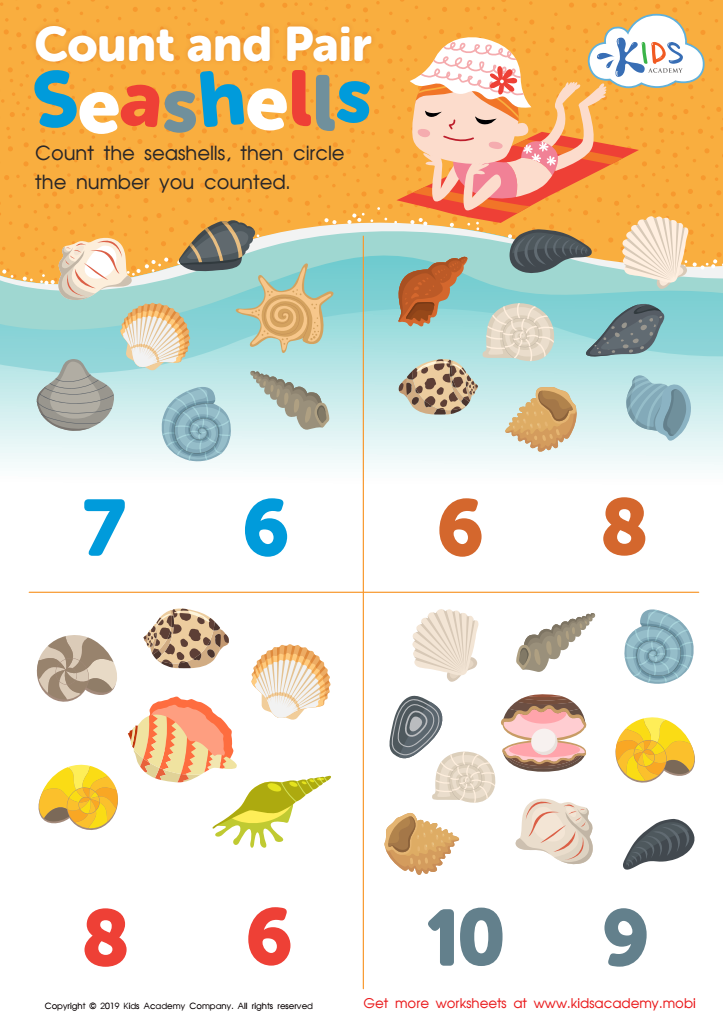
Count and Pair Seashells Worksheet
 Assign to My Students
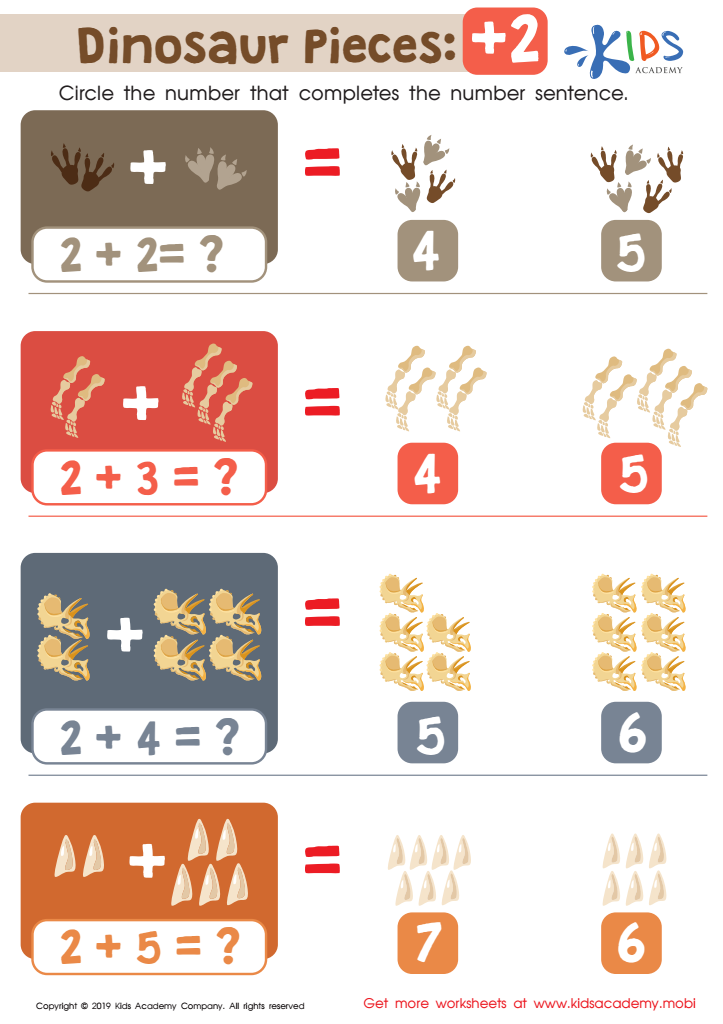
Dinosaur Pieces: +2 Worksheet
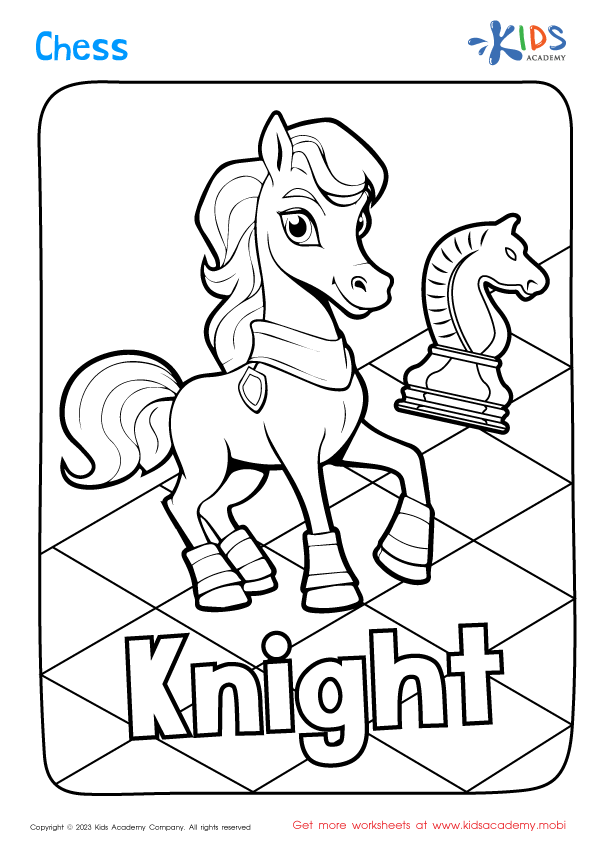





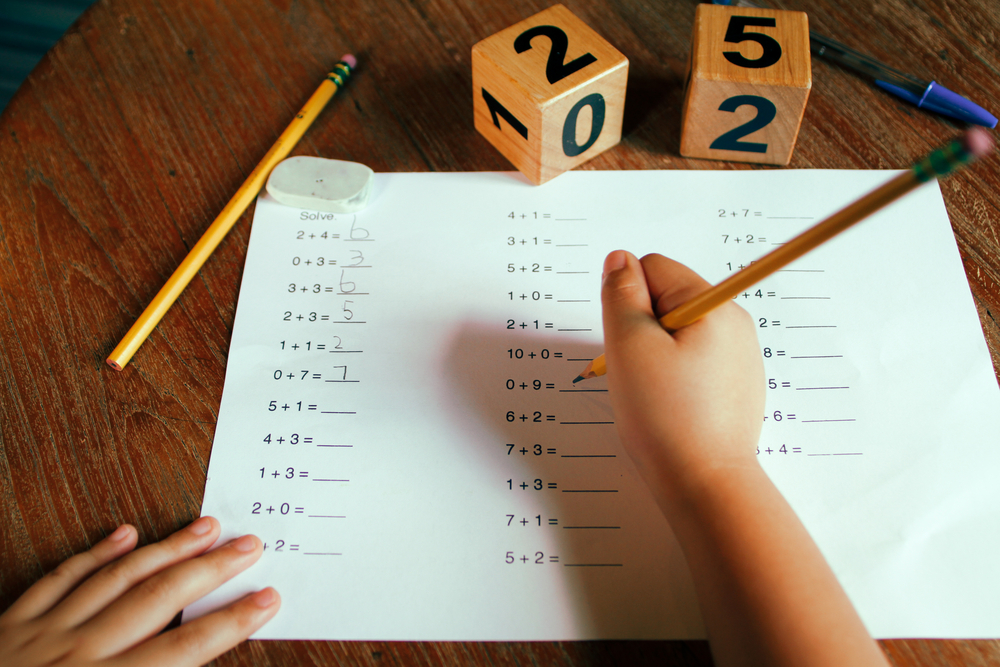


Fine motor development is crucial for young children as it affects their ability to perform everyday tasks and learn new skills. For 5-year-olds, this development helps in activities like writing, drawing, cutting with scissors, and even buttoning their clothes. When parents and teachers pay attention to fine motor skills, they support a child’s independence and confidence.
Proper fine motor skills are linked to academic success since children need these abilities for writing and engaging in classroom activities. When a child can write their name or complete art projects, it boosts their self-esteem and motivates them to learn more.
Additionally, fine motor development is closely related to cognitive development. Skills like gripping crayons and manipulating small objects enhance brain functions, improving focus and problem-solving abilities. Parents and teachers can support this growth through playful activities such as arts and crafts, building with blocks, or using playdough, making learning enjoyable.
In essence, fostering fine motor skills at this age lays the groundwork for a child’s overall development, making it a vital area of focus for both parents and educators. Emphasizing these skills supports children's growth and prepares them for future academic challenges.








