Visual Perception Skills Easy Worksheets for 5-Year-Olds
4 filtered results
-
From - To
Unlock your child's learning potential with our "Visual Perception Skills Easy Worksheets for 5-Year-Olds." These engaging worksheets are designed to enhance visual perception skills, crucial for effective reading, writing, and problem-solving. The activities are tailored to foster observation, discrimination, and spatial awareness through fun and interactive exercises. Perfect for at-home learning or supplementing classroom activities, our worksheets encourage critical thinking while making learning enjoyable. With a variety of colorful, visually appealing formats, children will love practicing their skills. Help your little one build a strong foundation for future learning with these essential visual perception worksheets! Download now and watch them thrive!
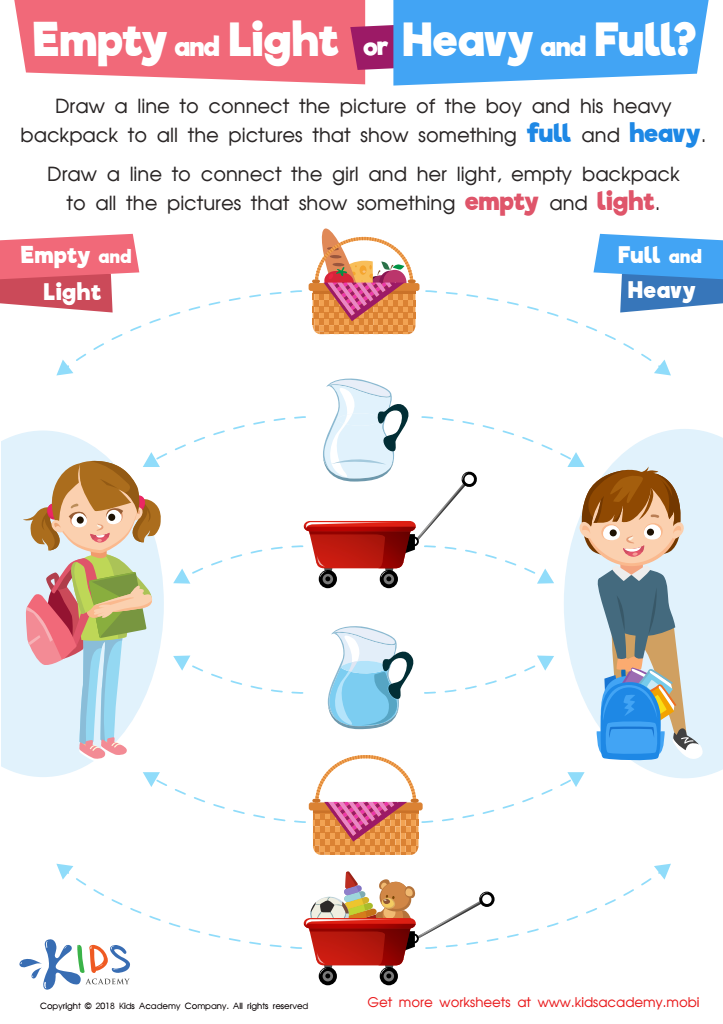
Empty and Light or Heavy and Full? Worksheet
 Assign to My Students
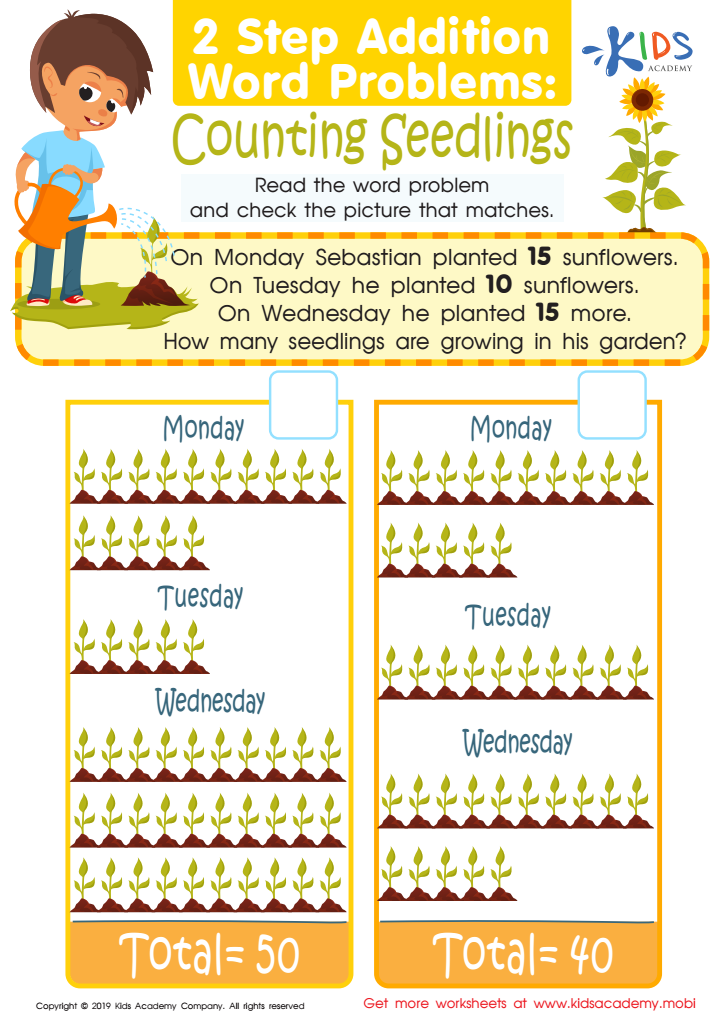
Counting Seedlings Worksheet
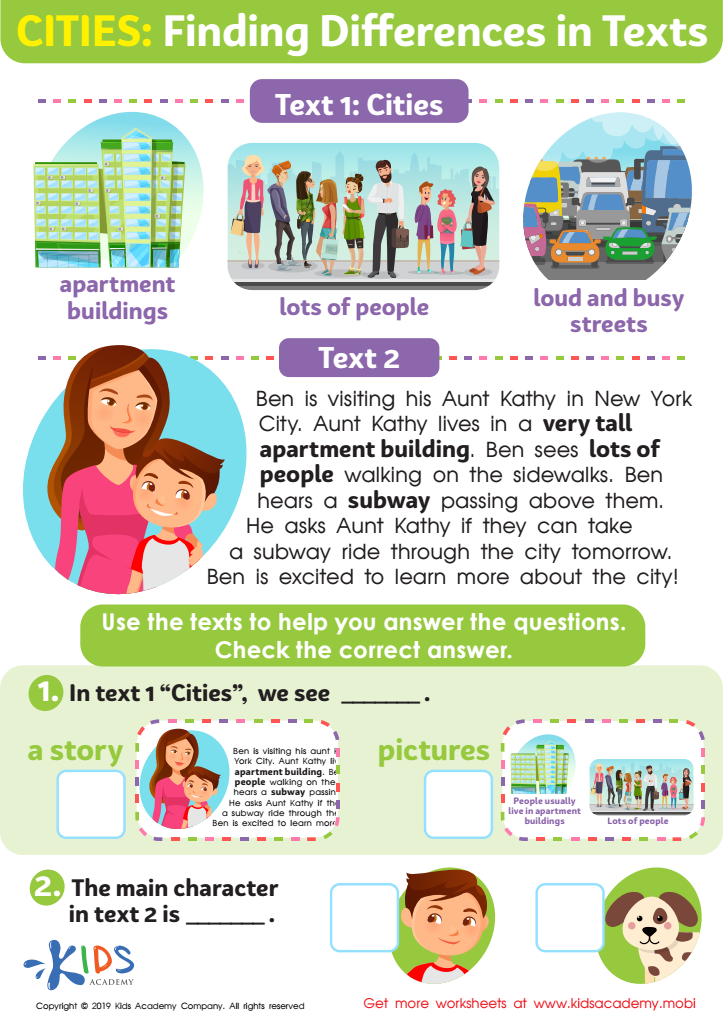
Cities: Finding Differences Worksheet
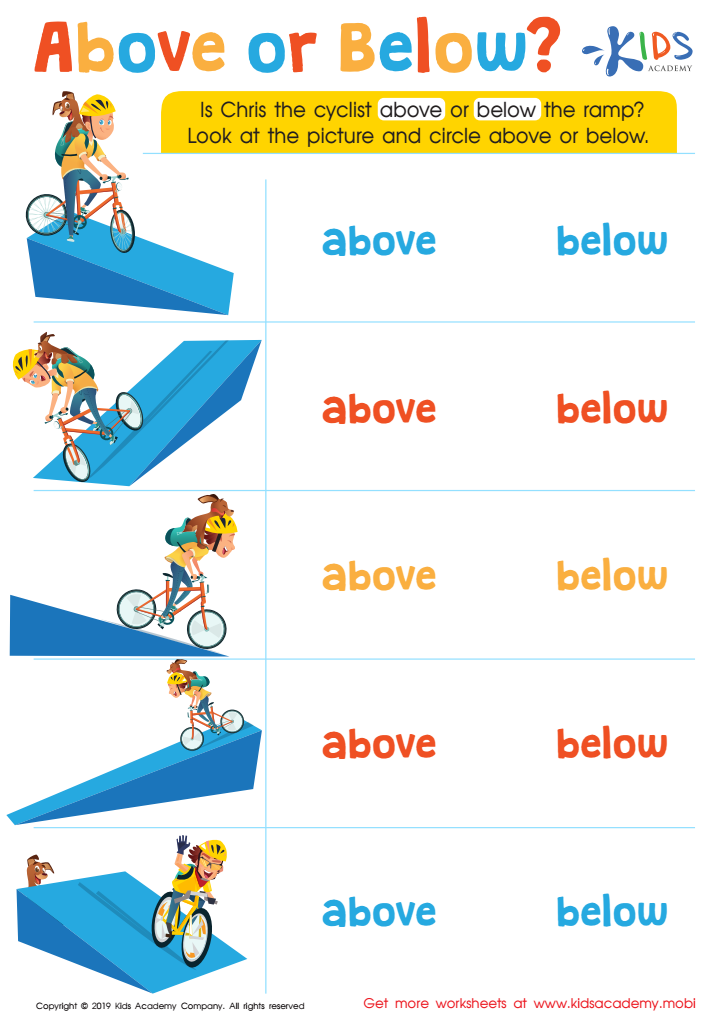
Above or Below? Worksheet








Visual perception skills are crucial for the development of young children, and both parents and teachers should prioritize nurturing these abilities, especially for 5-year-olds. These skills involve the brain's ability to interpret and process visual information, forming the foundation for essential tasks like reading, math, and even social interactions.
At this age, children are rapidly developing their cognitive skills, and strong visual perception can enhance their learning experiences. For instance, recognizing shapes, colors, and patterns aids in early math concepts while understanding letters and words is fundamental for reading.
Moreover, visual perception tools such as puzzles, matching games, and drawing activities can make learning fun and engaging, fostering a positive attitude towards education. Parents and teachers who invest time in enhancing these skills promote greater academic success and confidence in children.
Furthermore, visual perception is closely linked to other developmental areas, including motor skills and emotional intelligence. Cultivating these skills sets a strong foundation for lifelong learning, enabling children to navigate both academic challenges and everyday situations effectively. In essence, supporting the development of visual perception skills equips children with vital tools they need to thrive both inside and outside the classroom.








