Categorization skills Easy Numbers Worksheets for 5-Year-Olds
4 filtered results
-
From - To
Unlock the world of numbers for your 5-year-old with our "Categorization Skills Easy Numbers Worksheets." Designed to spark curiosity and enhance cognitive development, these worksheets focus on helping young learners sort and categorize numbers in fun and engaging ways. With colorful illustrations and simple, easy-to-follow activities, children will develop critical thinking and organizational skills while enjoying the learning process. Perfect for home or classroom use, our worksheets encourage early math proficiency and confidence. Explore the joy of discovery as your child learns to group numbers, recognize patterns, and strengthen foundational math skills on their learning journey! Get started today!
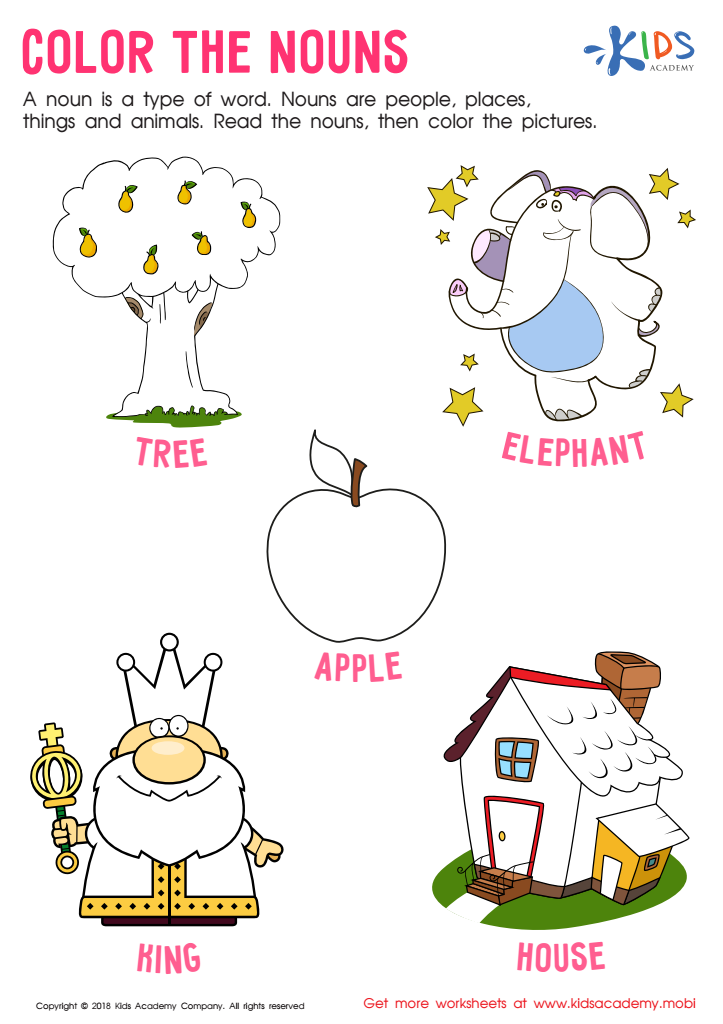
Color the Nouns Worksheet
 Assign to My Students
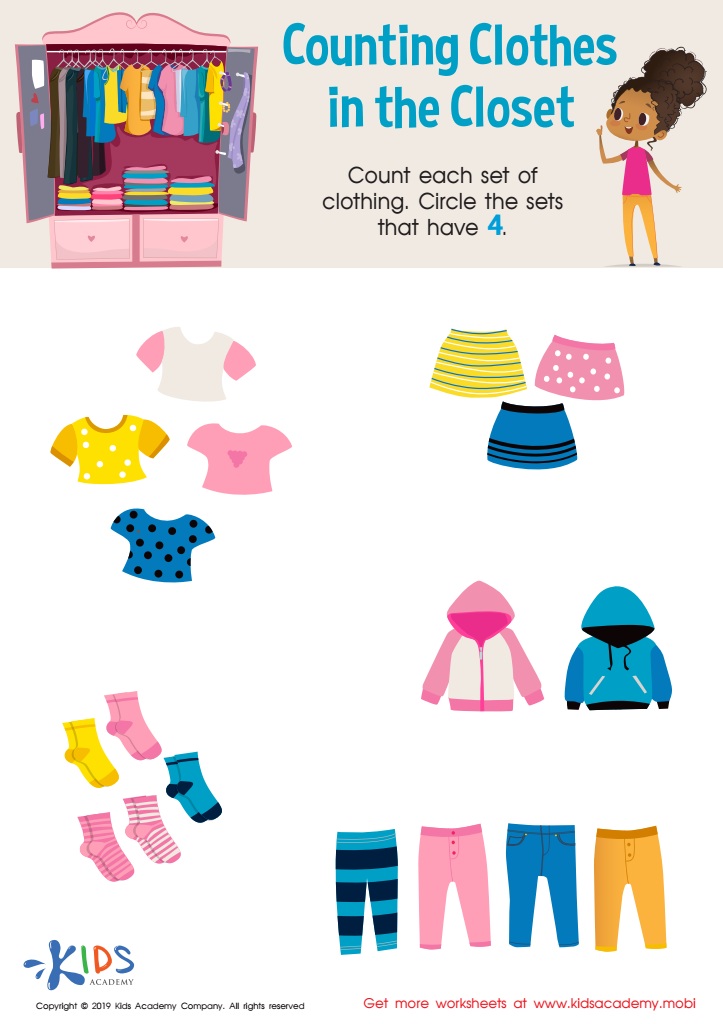
Counting Clothes Worksheet
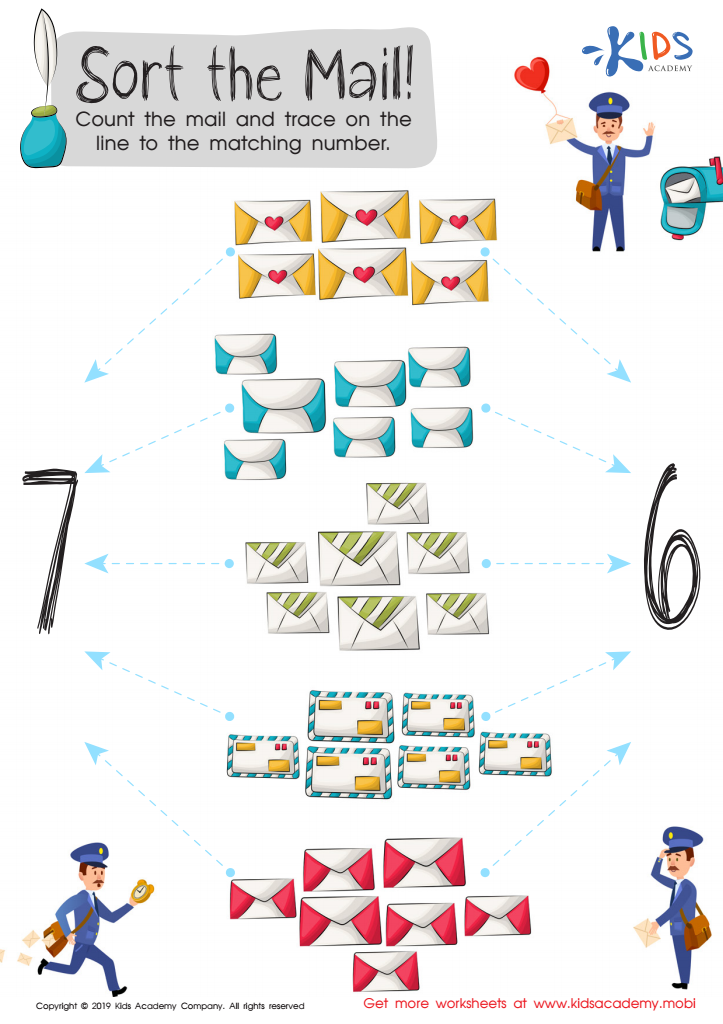
Sort the Mail Worksheet
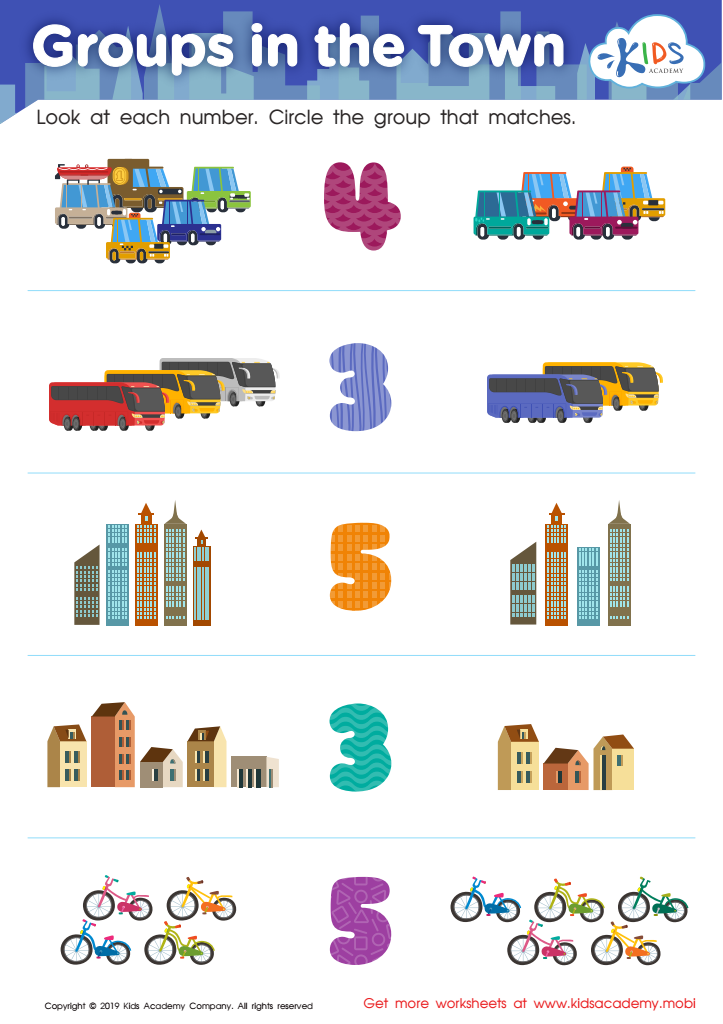
Groups in the Town Worksheet








Categorization skills are fundamental for 5-year-olds as they lay the groundwork for critical thinking and problem-solving abilities. At this age, children are naturally curious and eager to make sense of the world around them. By cultivating categorization skills, parents and teachers help children recognize patterns, similarities, and differences among objects, which is essential for cognitive development.
Understanding how to categorize can enhance a child’s ability to organize information and improve their memory. For instance, knowing how to group items such as animals, colors, or shapes equips children with logical reasoning that is not only important in academics but also in daily life. This foundational skill supports literacy and mathematics, as children begin to understand concepts such as sorting, counting, and classifying—key elements in early math development.
Moreover, fostering these skills promotes social development, as it encourages children to discuss their thought processes and share their categorizations with peers. This interaction nurtures communication skills and collaborative problem-solving. By prioritizing categorization, parents and teachers are investing in a child's holistic development, preparing them for future learning challenges, and building confidence that lasts well beyond their early years.








