Visual perception Easy Numbers Worksheets for 5-Year-Olds
15 filtered results
-
From - To
Discover our "Visual Perception Easy Numbers Worksheets" designed specifically for 5-year-olds! These engaging and fun worksheets help young learners enhance their visual recognition skills while familiarizing themselves with numbers. Each activity encourages children to identify number shapes, associate quantities with their visual representation, and boost their overall number sense. The worksheets feature colorful illustrations and interactive exercises that make learning enjoyable and effective. Perfect for preschool and kindergarten settings, our resources are aligned with educational goals, ensuring that your little ones develop essential math foundations. Empower your child’s learning journey with these interactive visual perception activities today!
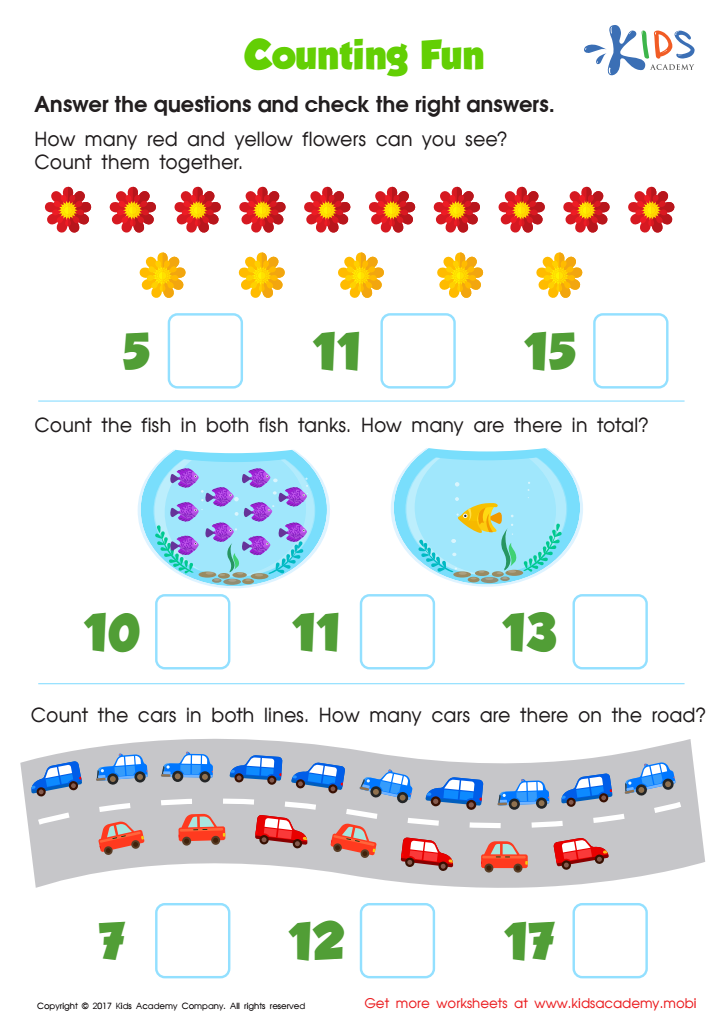
Counting Fun Worksheet
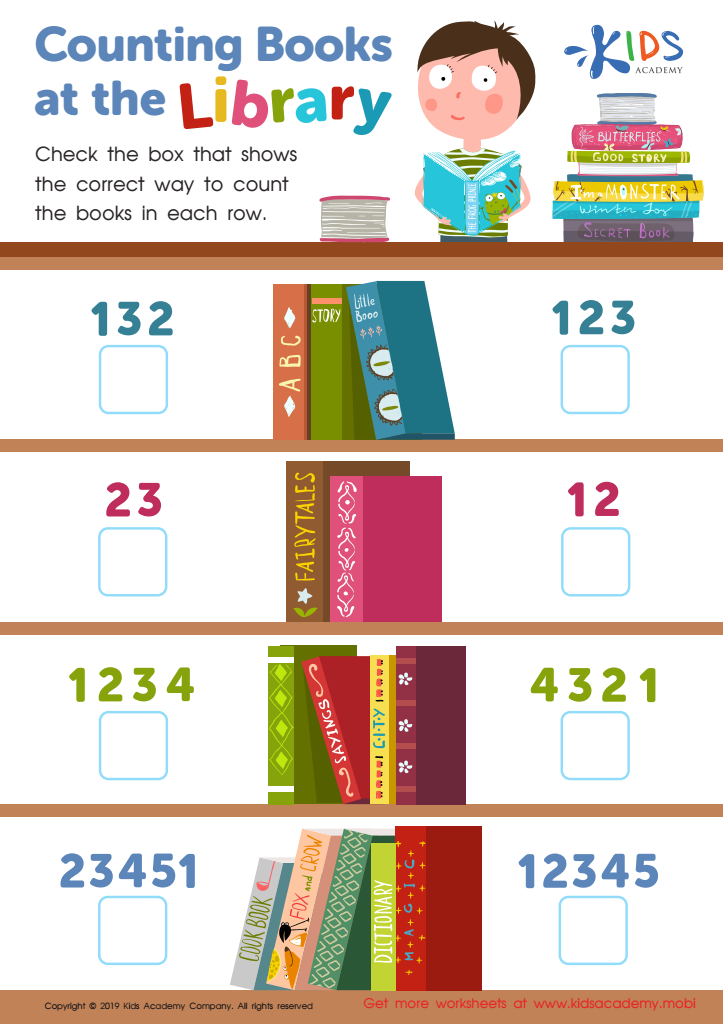
Counting Books at the Library Worksheet
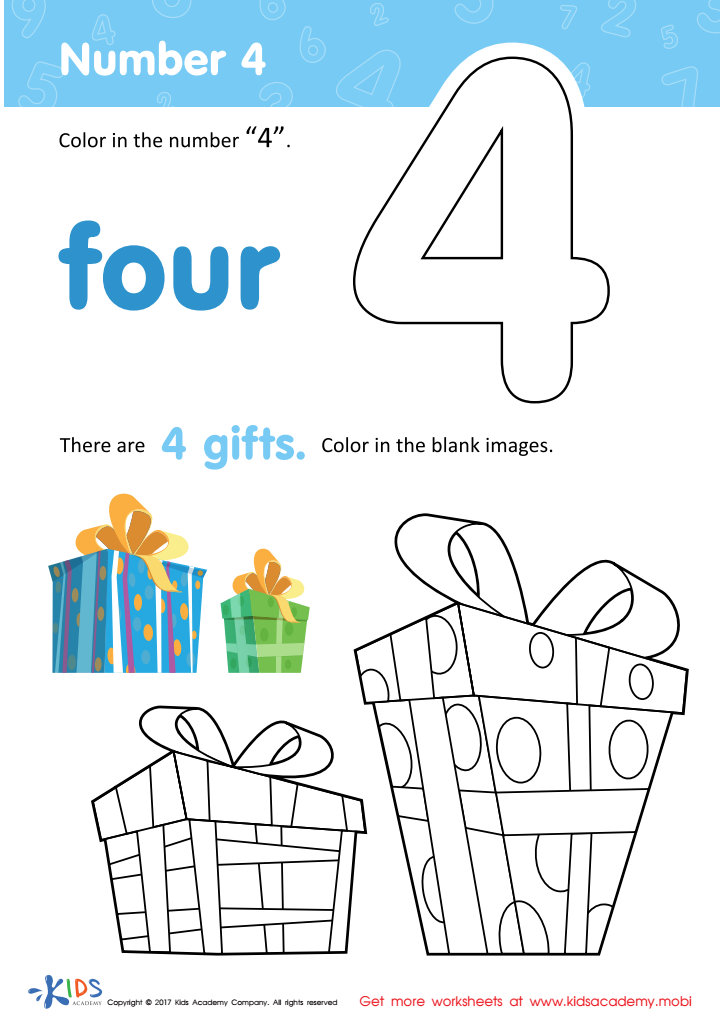
Number 4 Printable
 Assign to My Students
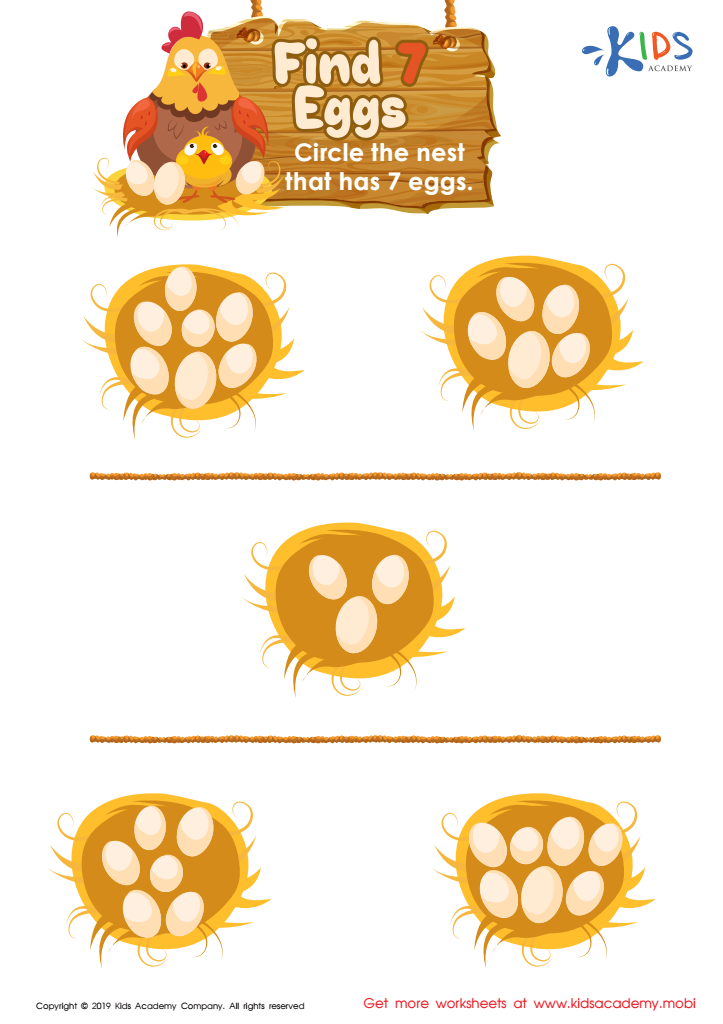
Find 7 Eggs Worksheet
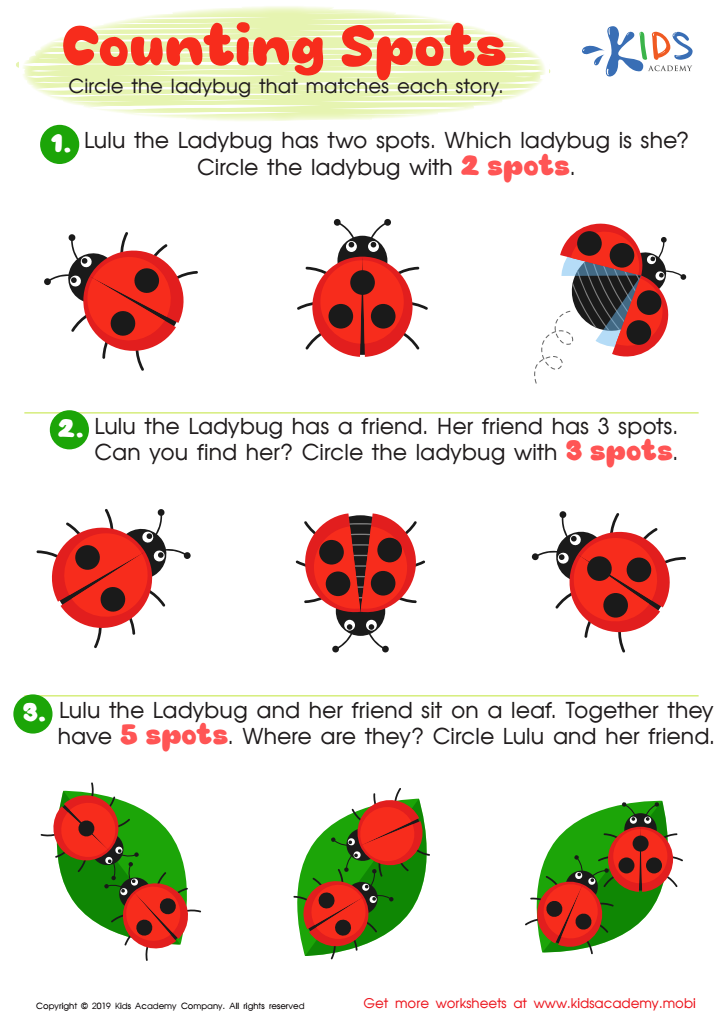
Counting Spots Worksheet
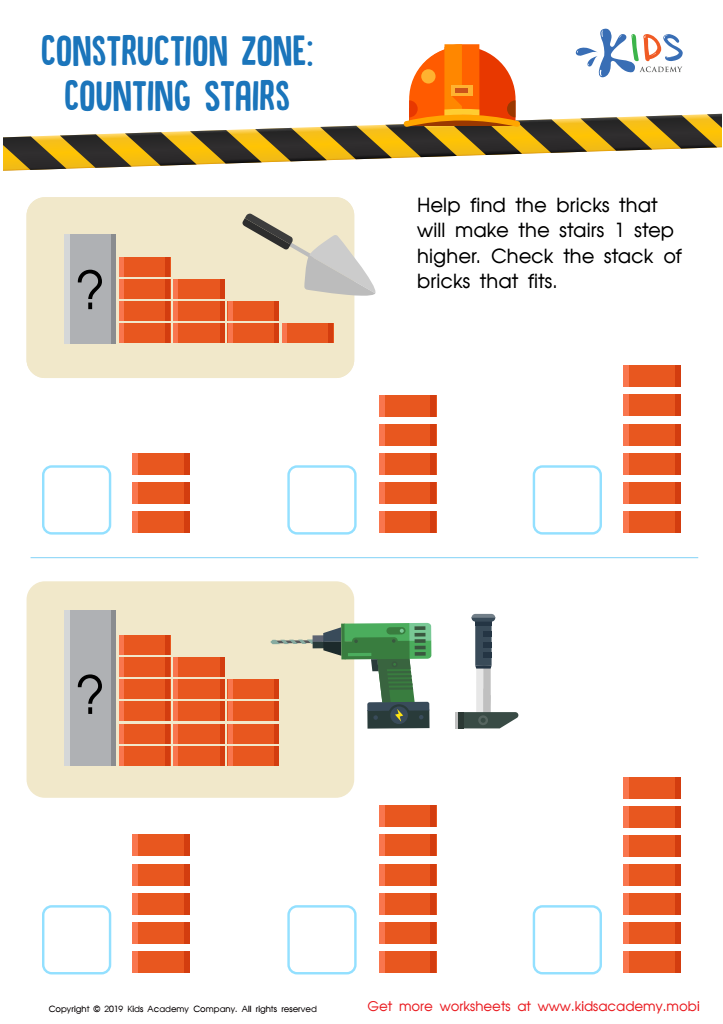
Construction Zone: Counting Stairs Worksheet
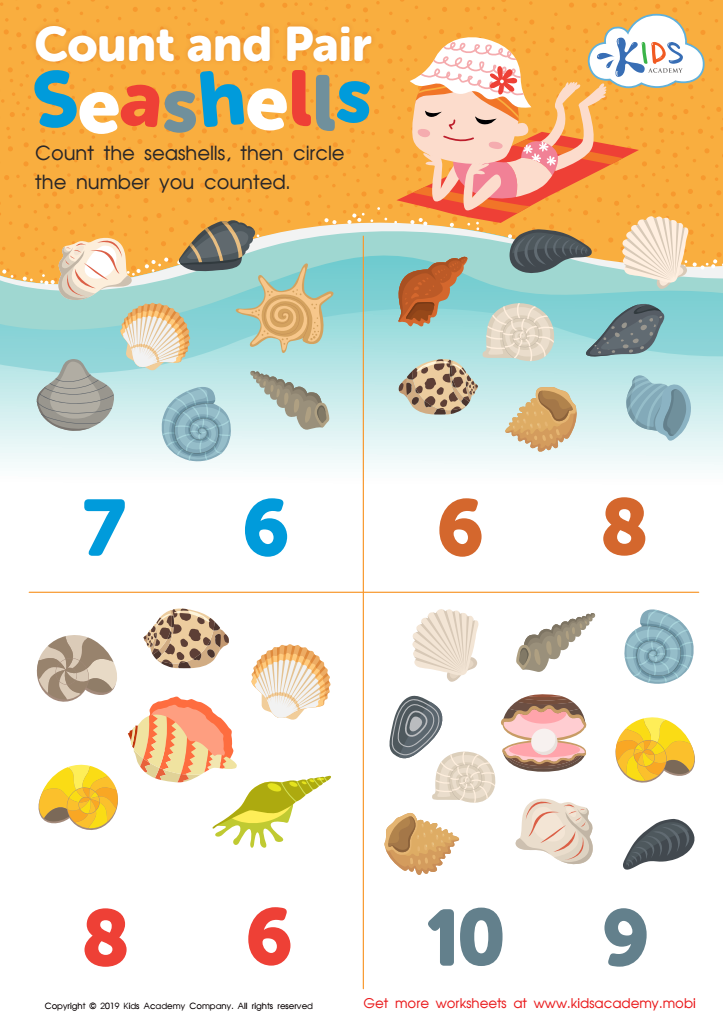
Count and Pair Seashells Worksheet
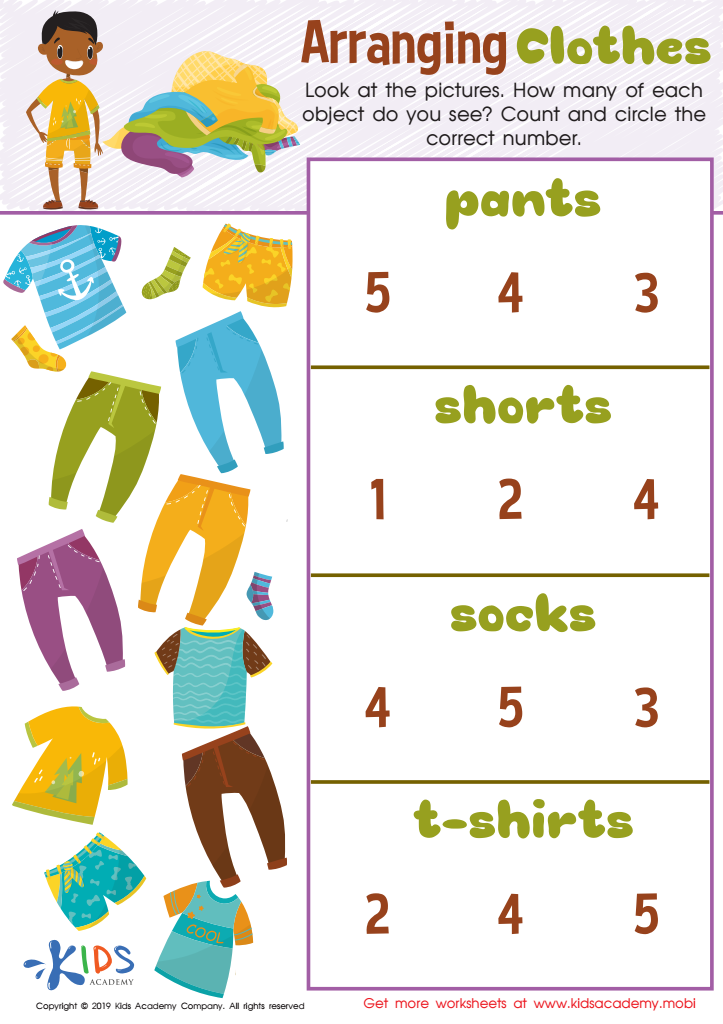
Arranging Clothes Worksheet
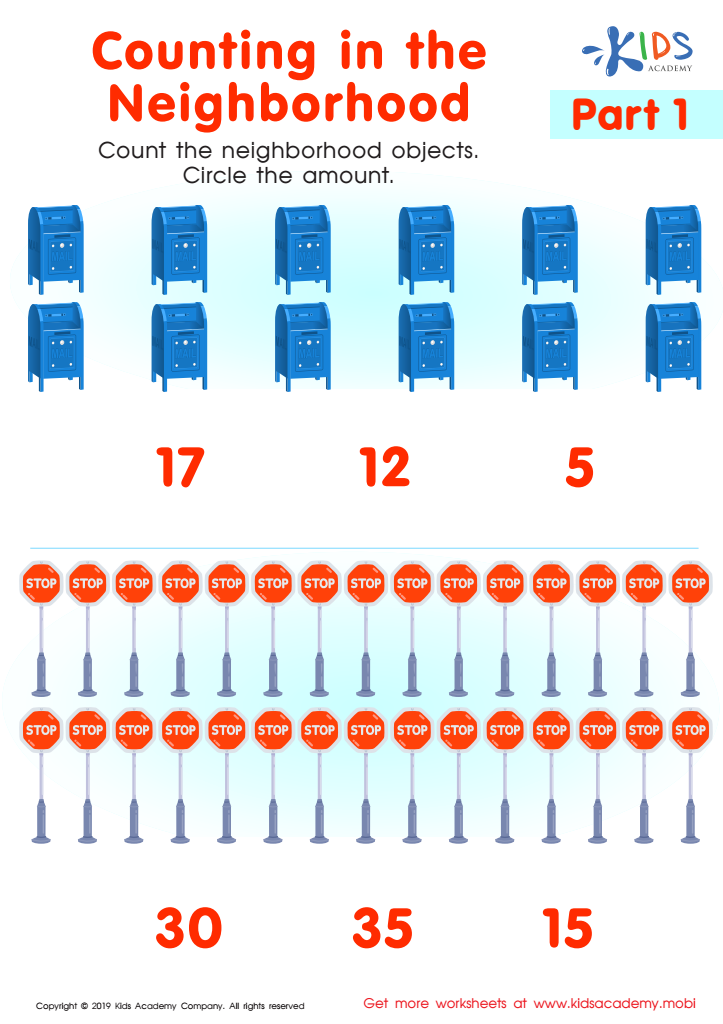
Counting in the Neighborhood Part1 Worksheet
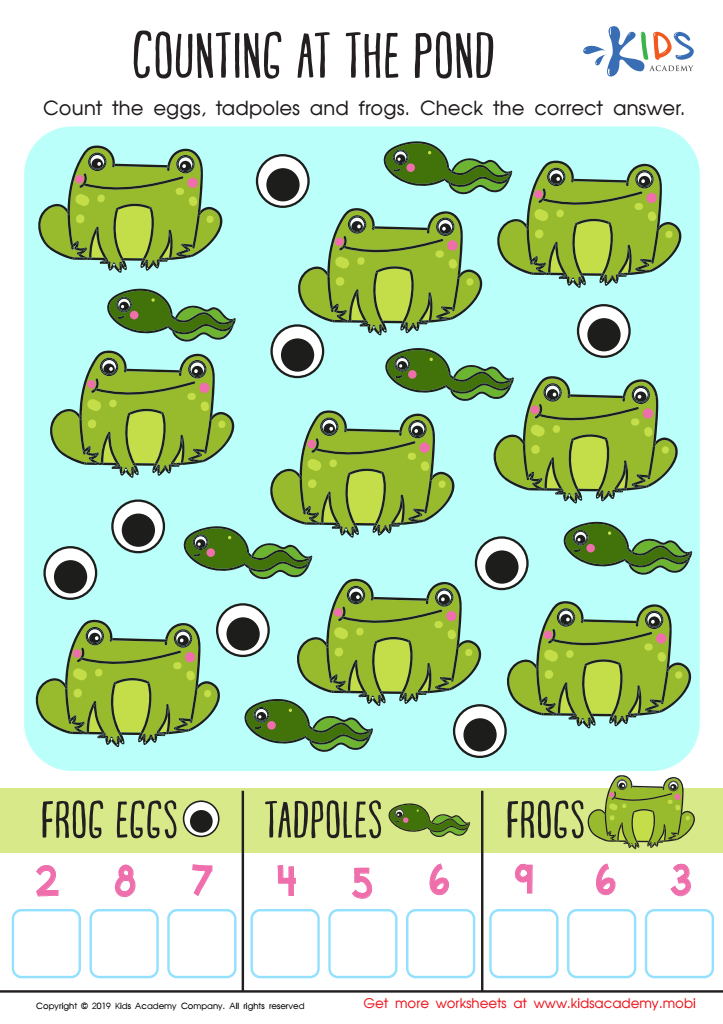
Counting at the Pond Worksheet
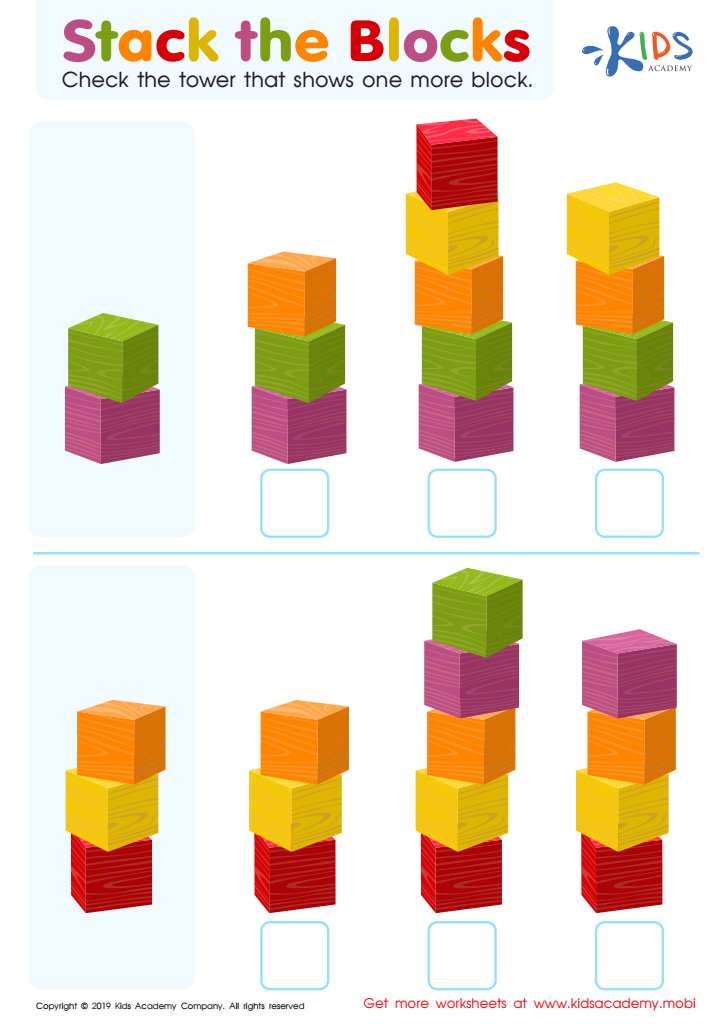
Stack the Blocks Worksheet
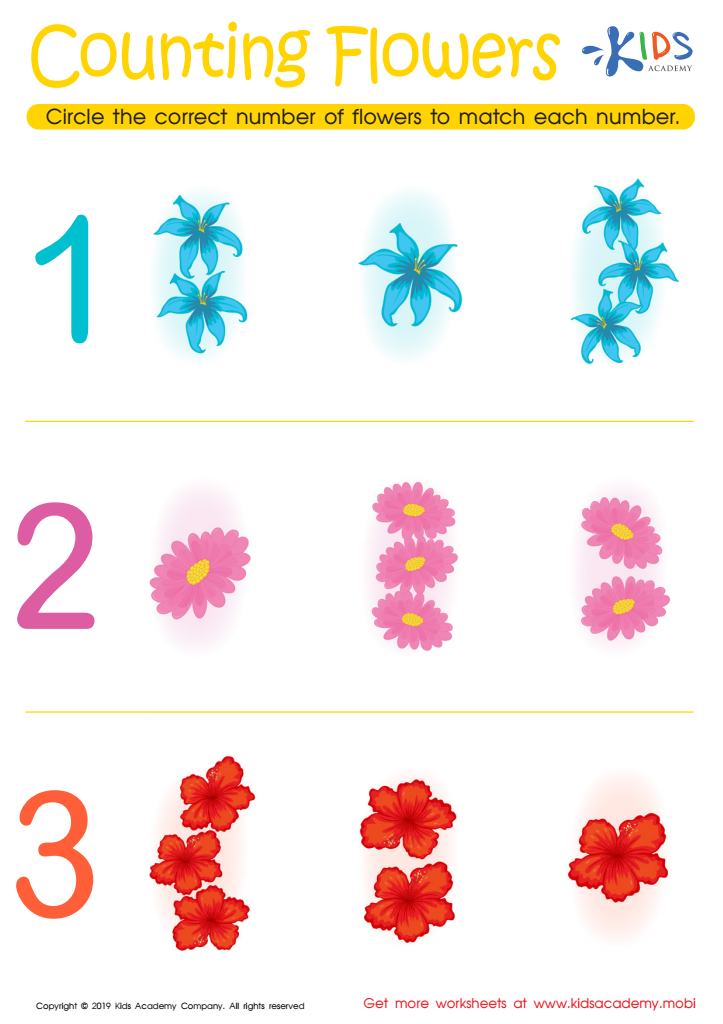
Counting Flowers Worksheet
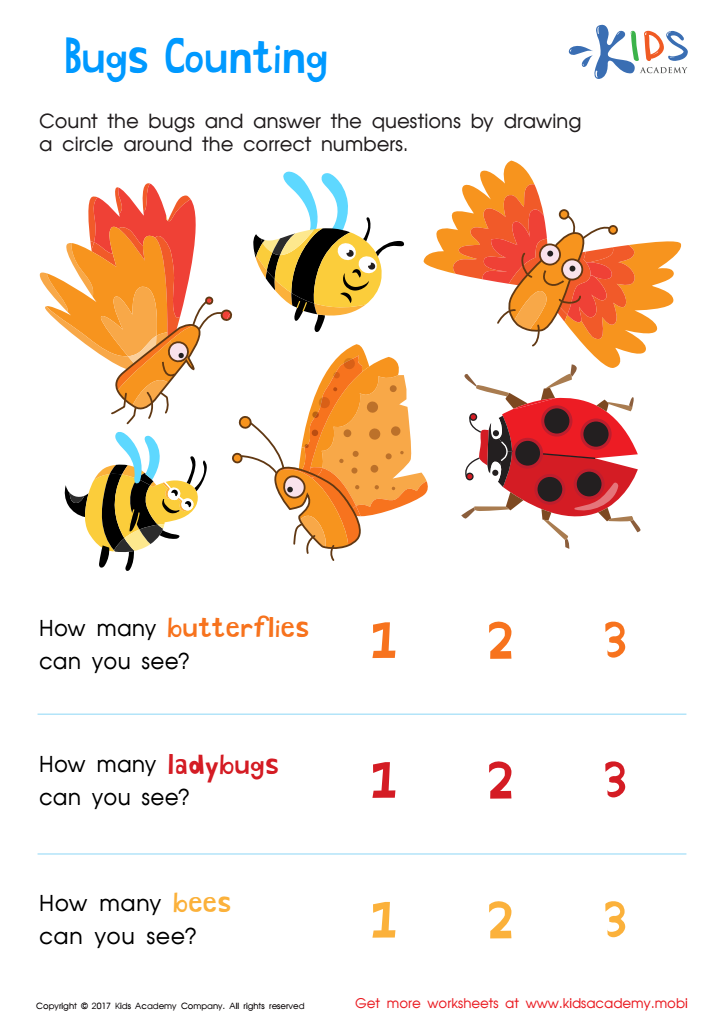
Bugs Counting Worksheet
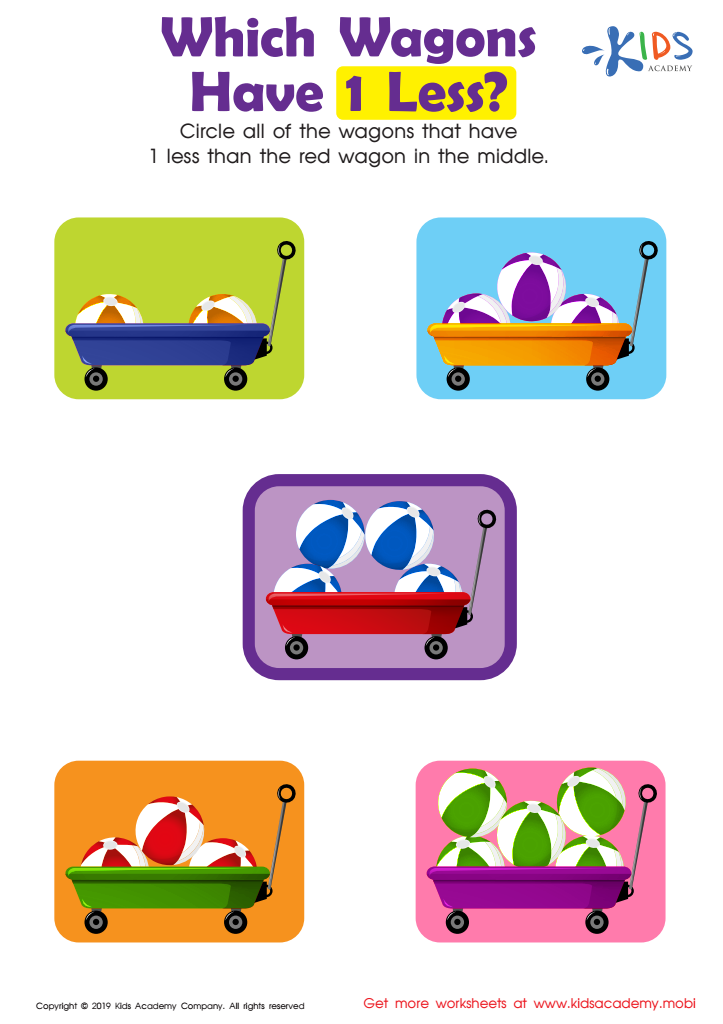
Which Wagons Have 1 Less? Worksheet
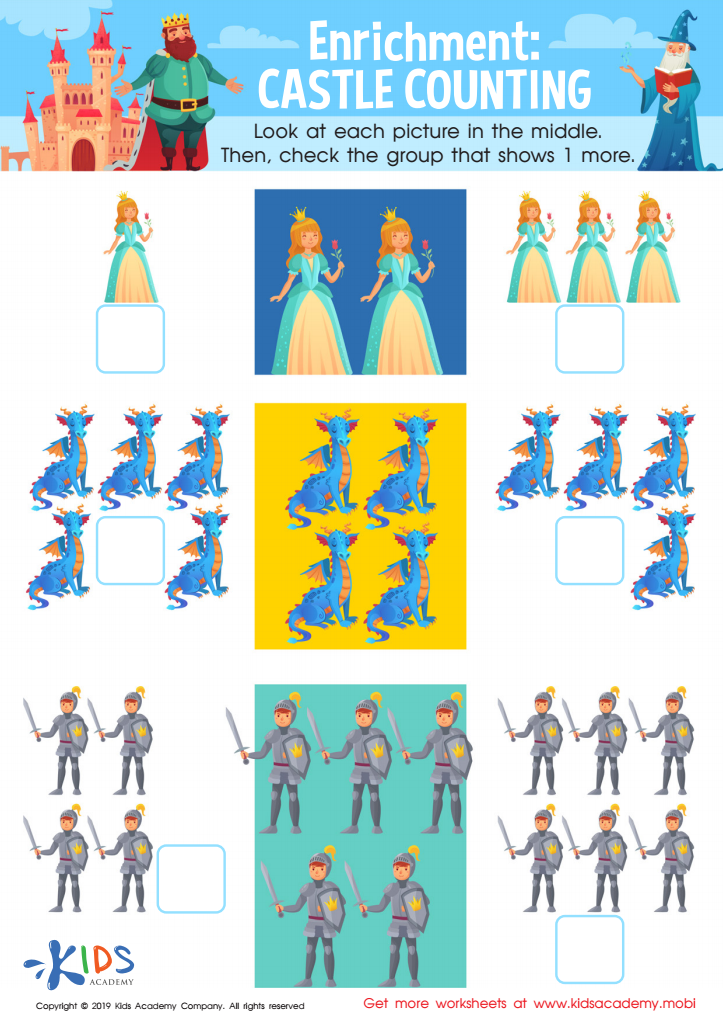
Enrichment: Castle Counting Worksheet





.jpg)

Visual perception is a crucial skill for 5-year-olds, impacting their academic success and daily functioning. Parents and teachers should care about developing this skill because it lays the groundwork for essential abilities, such as reading, writing, and problem-solving. Visual perception involves the ability to interpret and understand visual information, including recognizing shapes, patterns, and numbers.
As children engage with "Easy Numbers" activities, they learn to distinguish between different numerical representations and develop spatial awareness. This not only enhances their mathematical skills but also fosters critical thinking abilities. Furthermore, strong visual perception aids in following directions, organizing tasks, and improving motor coordination—all essential components of early learning.
Encouraging activities that promote visual perception—like puzzles, matching games, and sorting tasks—can help build these foundational skills in a fun and engaging way. By focusing on visual perception, parents and teachers empower children to approach new challenges with confidence and ease. Ultimately, strong visual perception contributes to a child's readiness for formal education and lifelong learning, making it an area deserving of attention from both parents and educators.








