Shape Recognition Easy Math Worksheets for 5-Year-Olds
6 filtered results
-
From - To
Introduce your child to the exciting world of shape recognition with our Easy Math Worksheets designed specifically for 5-year-olds! These engaging, printable worksheets promote foundational math skills through colorful graphics and interactive activities. Your little one will explore circles, squares, triangles, and more, enhancing their ability to identify and differentiate shapes. Our worksheets encourage hands-on learning and creativity, perfect for at-home or classroom use. Watch as your child's confidence grows while they complete fun exercises that support early math development. Start nurturing critical thinking skills today with our Shape Recognition worksheets, making learning both enjoyable and educational!
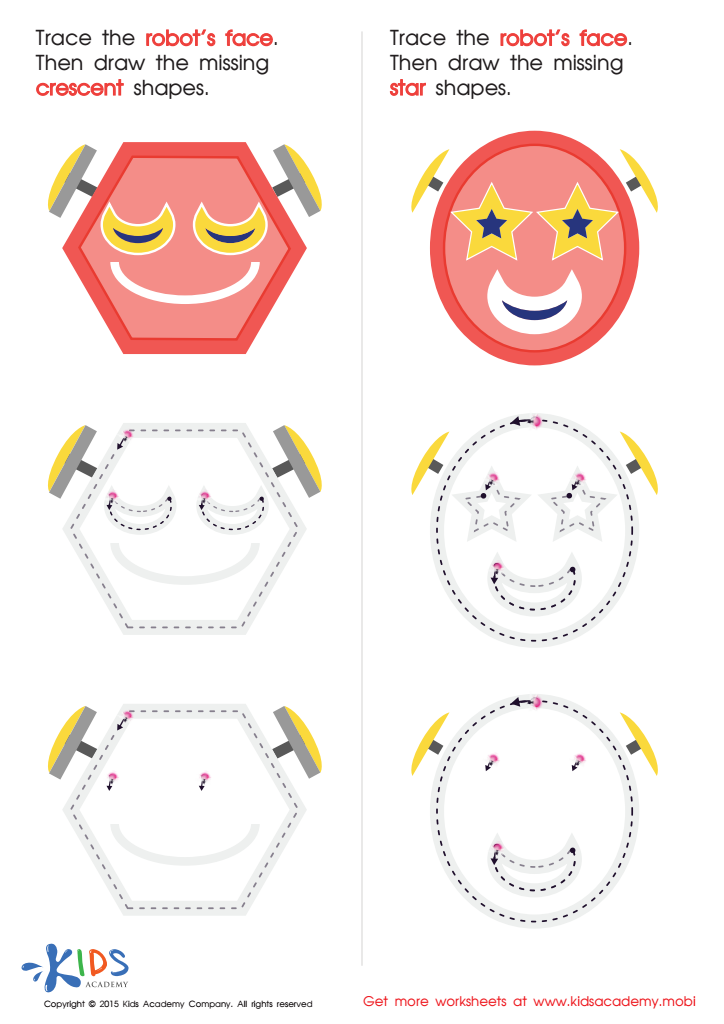
Composing a Robot's Face of Crescents And Stars Worksheet
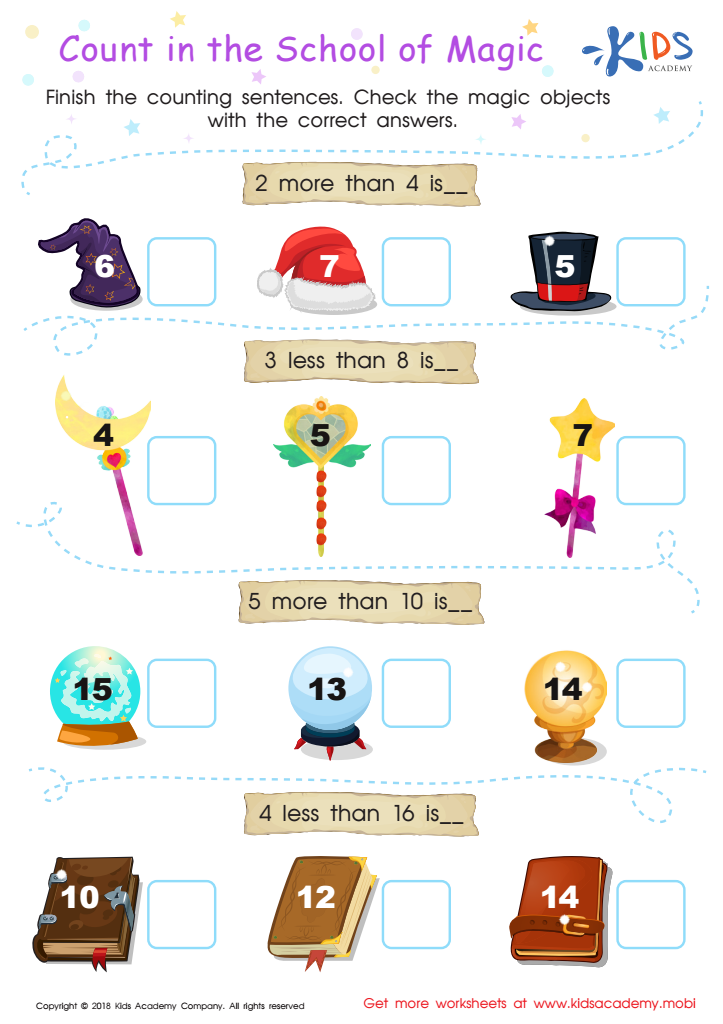
Count in the School of Magic Worksheet
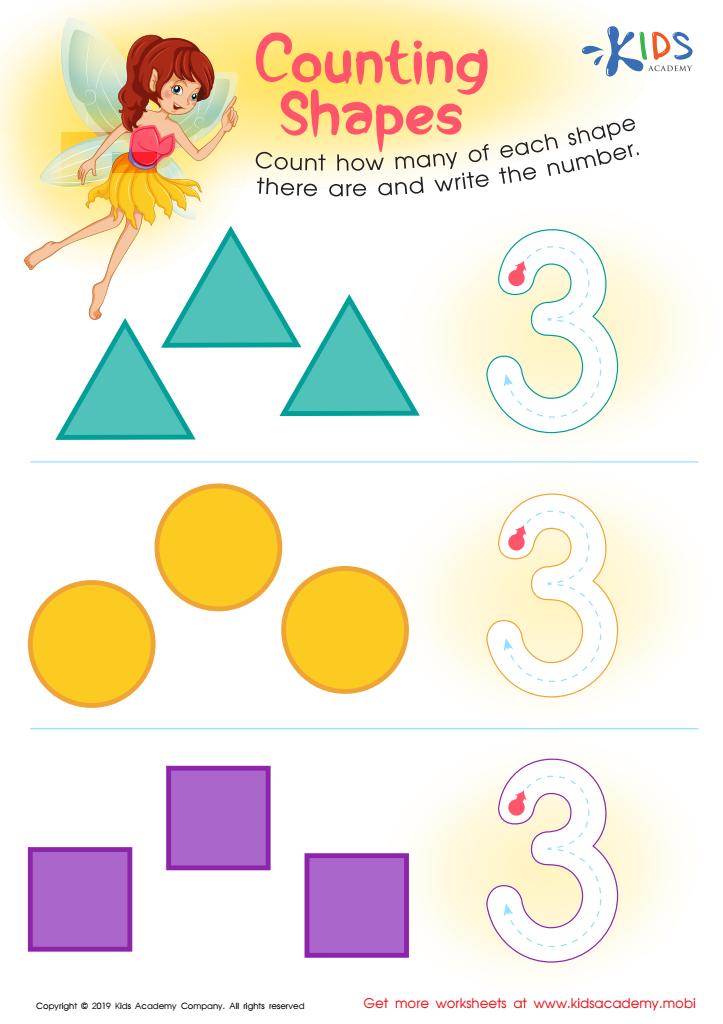
Counting Shapes Worksheet
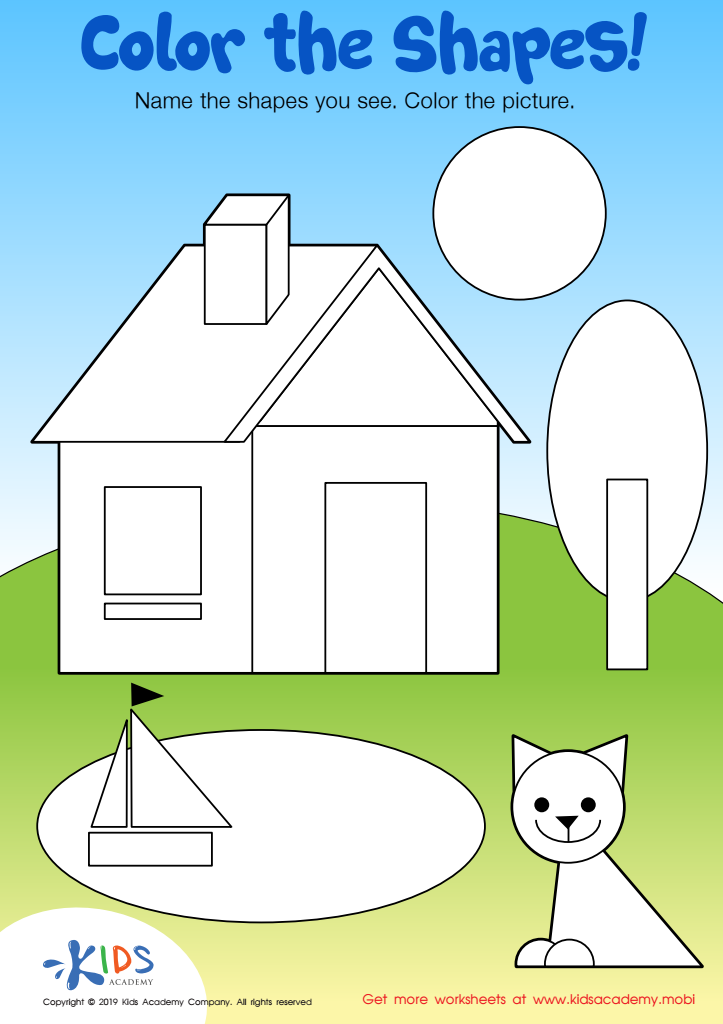
Color the Shapes Worksheet
 Assign to My Students
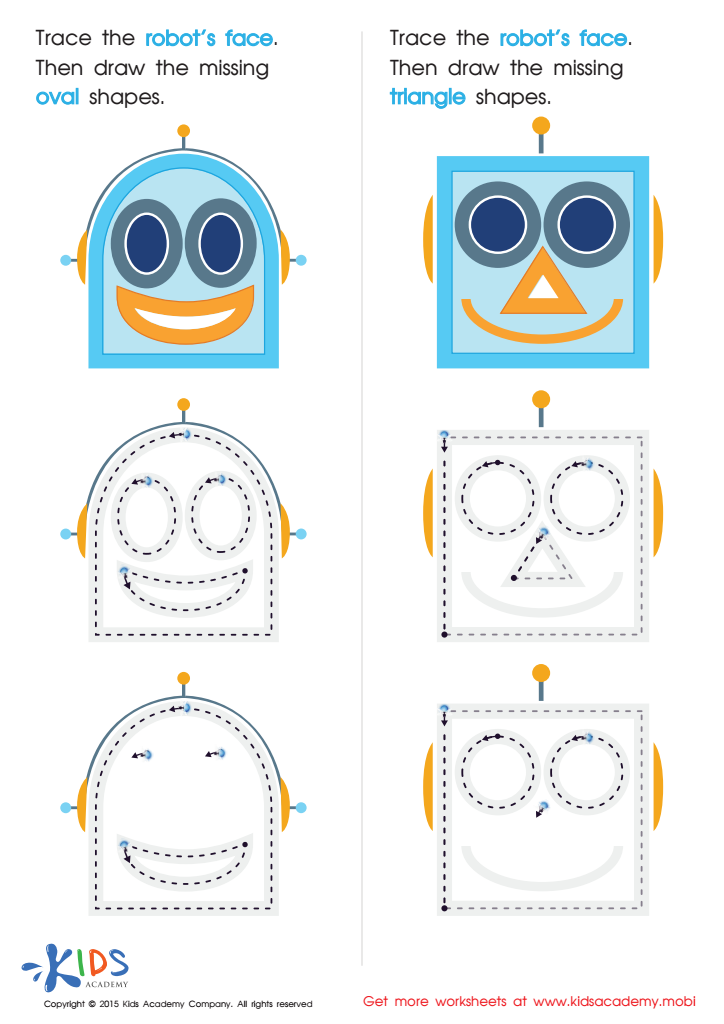
Drawing Ovals And Triangles with Fun Printable
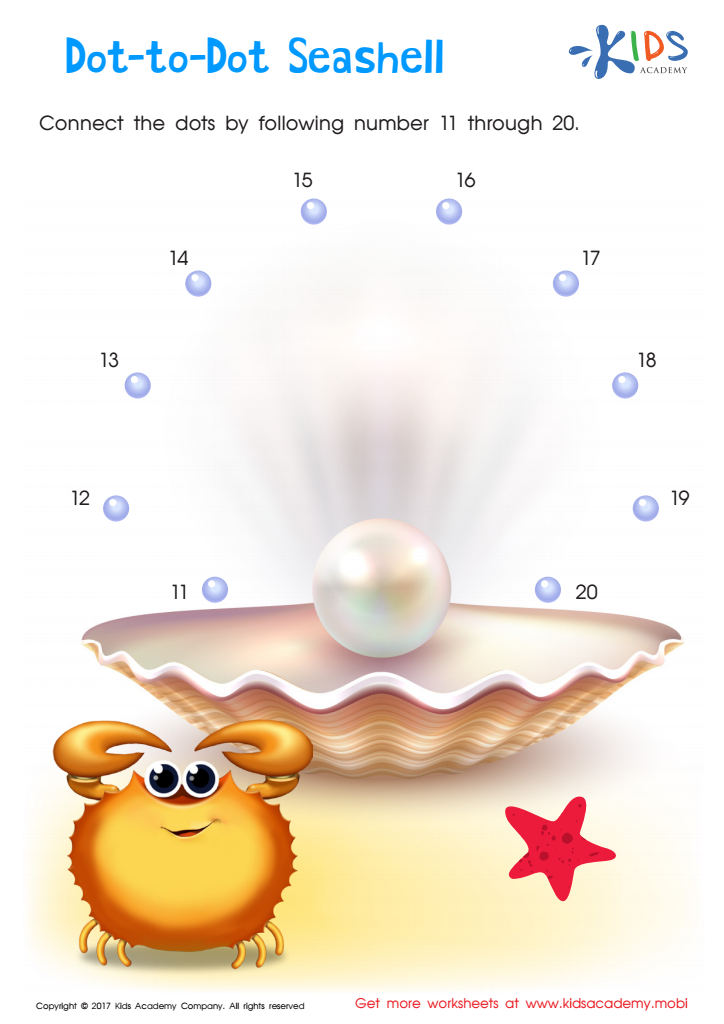
Ordering 11–20: Dot–to–dot Seashell Printable






.jpg)

Shape recognition is a foundational skill for young learners, especially for 5-year-olds, as it lays the groundwork for future mathematical concepts. Parents and teachers should care about promoting shape recognition because it contributes significantly to children's cognitive development. Recognizing shapes helps children understand the relationships between different objects in their environment, enhancing spatial awareness and critical thinking skills.
Additionally, shape recognition supports early math skills by fostering an understanding of patterns, symmetry, and geometry. This knowledge is vital for solving more complex mathematical problems later on. Integrating activities that focus on shapes can also reinforce learning through play, making education enjoyable and engaging.
Moreover, developing shape recognition can boost children's confidence in their abilities, encouraging them to explore and participate in mathematical discussions and activities. When children feel secure in their understanding of shapes, they are more likely to take risks and experiment with new concepts.
In conclusion, prioritizing shape recognition through easy math activities not only equips children with essential skills for academic success but also enhances their overall development, preparing them for future learning challenges. Therefore, parents and teachers play a crucial role in nurturing these skills in a fun and supportive way.








