Phonics recognition Easy Alphabet Worksheets for Ages 6-7
4 filtered results
-
From - To
Discover our engaging "Phonics Recognition Easy Alphabet Worksheets" designed specifically for children aged 6-7. These worksheets introduce young learners to the foundational skills of word recognition and phonics through fun and interactive activities. Ideal for pre-readers and early readers, each worksheet focuses on reinforcing letter sounds and their corresponding alphabet letters in an enjoyable way. Teachers and parents can easily integrate these printable resources into lesson plans or home practice. Help your child build confidence in reading and writing with these effective worksheets that make phonics learning delightful and accessible. Start your phonics adventure today!
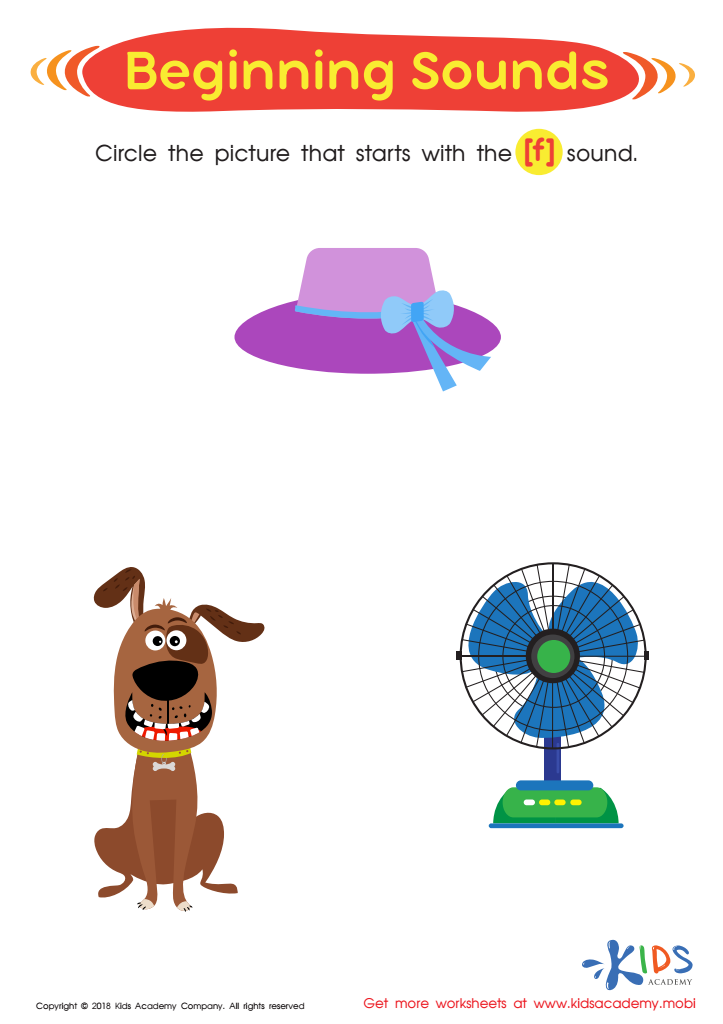
Beginning Sounds Assessment Printable
 Assign to My Students
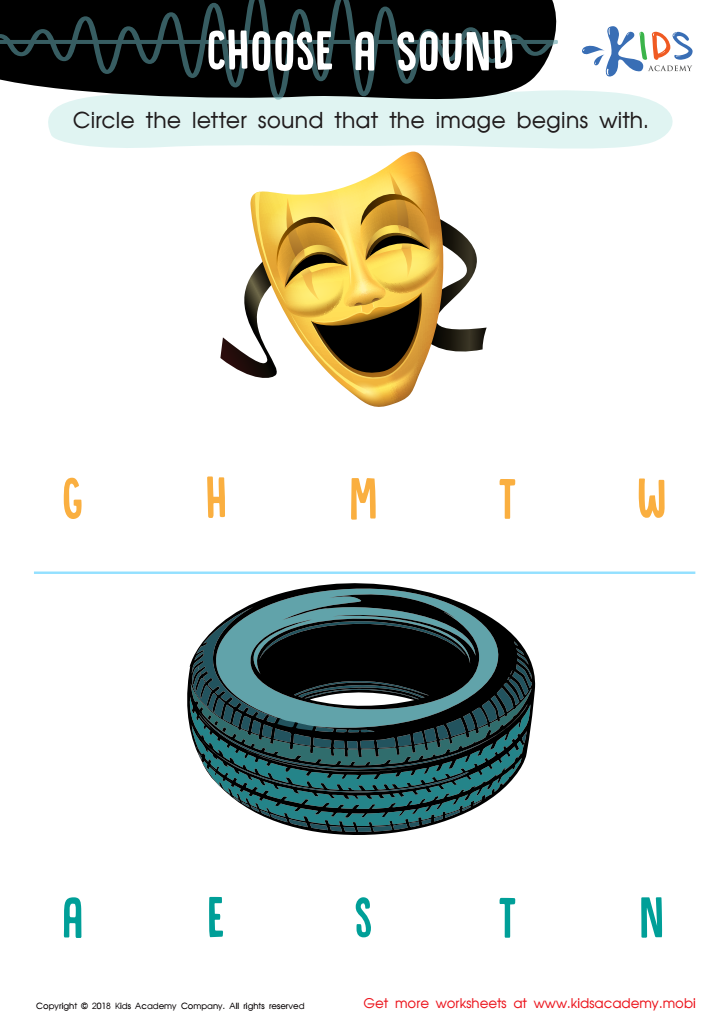
Choose a Sound Worksheet
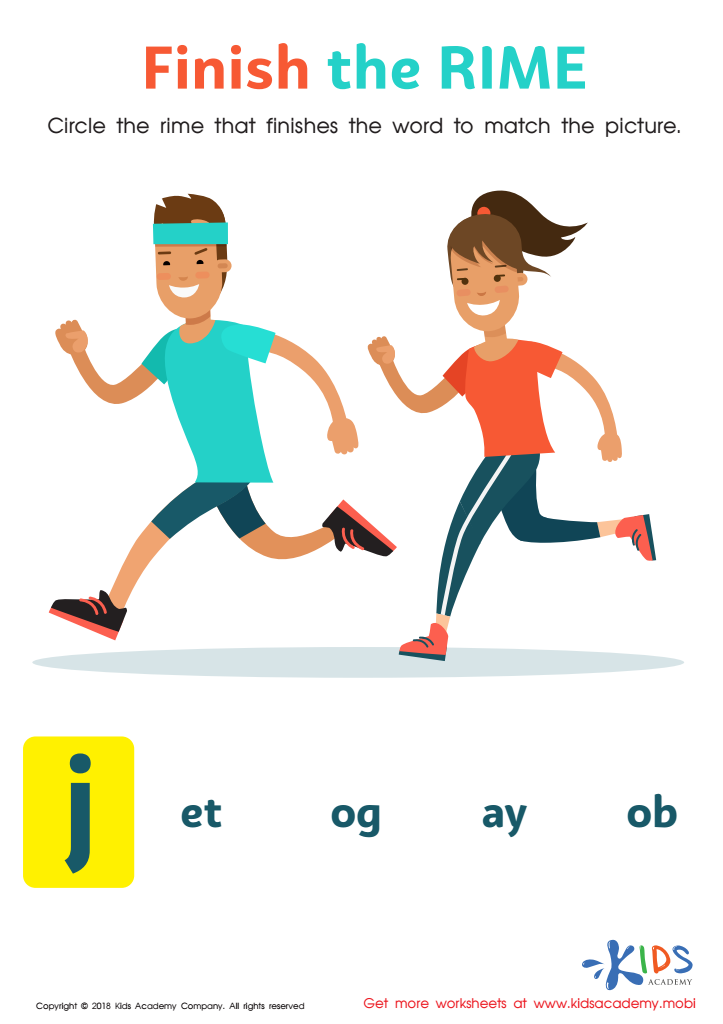
Finish the Rime Worksheet
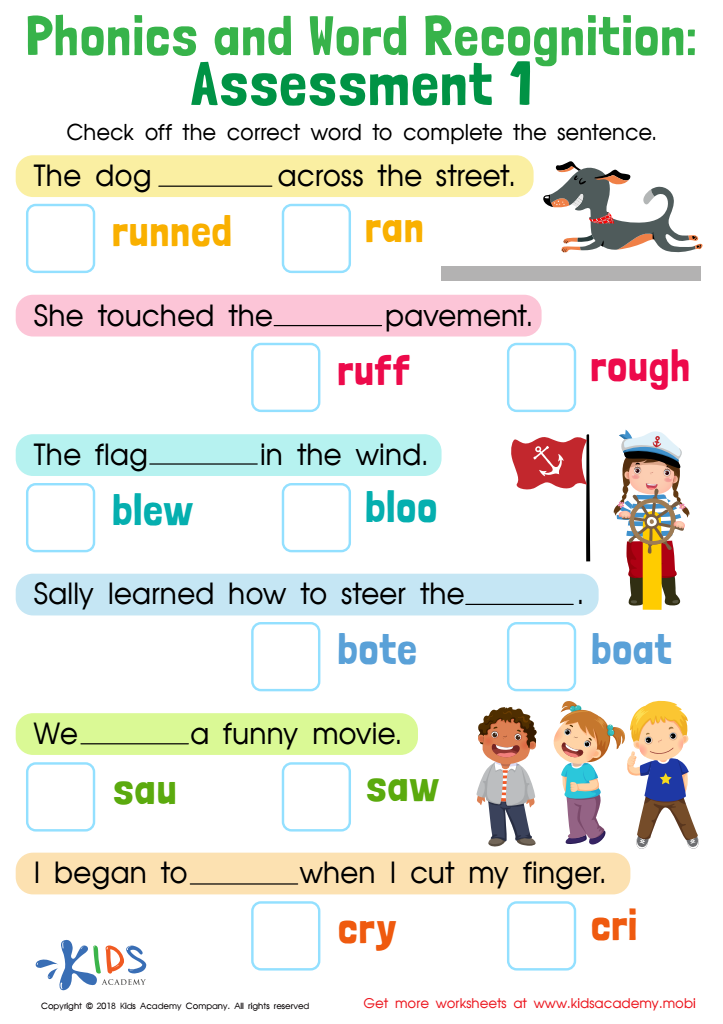
Phonics and Word Recognition: Assessment 1 Worksheet






Phonics recognition is a fundamental skill that plays a crucial role in early literacy development for children aged 6-7. At this stage, learners transition from understanding individual letters to recognizing phonetic sounds to read simple words. Programs like "Easy Alphabet" help to establish a strong foundation in phonics, equipping children with the tools they need to decode written language effectively.
By focusing on phonics recognition, teachers and parents support children's reading fluency and comprehension, which are essential for academic success. Early interventions in phonics not only boost reading skills but also instill a love for reading, enhancing children's confidence and motivation. Additionally, strong phonetic skills can reduce future learning difficulties, helping them access other subjects more readily.
Teachers and parents should also recognize that phonics can simplify the learning process, making it easier for kids to tackle more complex texts as they progress. Moreover, engaging activities tied to phonics foster a fun learning environment, enabling children to develop essential social skills. Involving parents in phonics education further reinforces these concepts at home, creating a collaborative approach to literacy. Ultimately, prioritizing phonics recognition equips young learners with crucial skills, setting them up for lifelong academic achievement and enjoyment of reading.