Writing practice Easy Letter Recognition Worksheets for Ages 6-7
3 filtered results
-
From - To
Boost your child's literacy skills with our "Easy Letter Recognition Worksheets" designed specifically for ages 6-7. These engaging worksheets offer a fun way for young learners to practice letter recognition and writing. Each activity is crafted to enhance fine motor skills while building confidence in letter formation. Children will enjoy colorful illustrations and interactive exercises that make learning enjoyable. Perfect for home or classroom use, these worksheets provide the foundational skills needed for successful reading and writing. Equip your little ones with essential language tools and watch their enthusiasm for learning grow! Start strengthening their writing skills today!
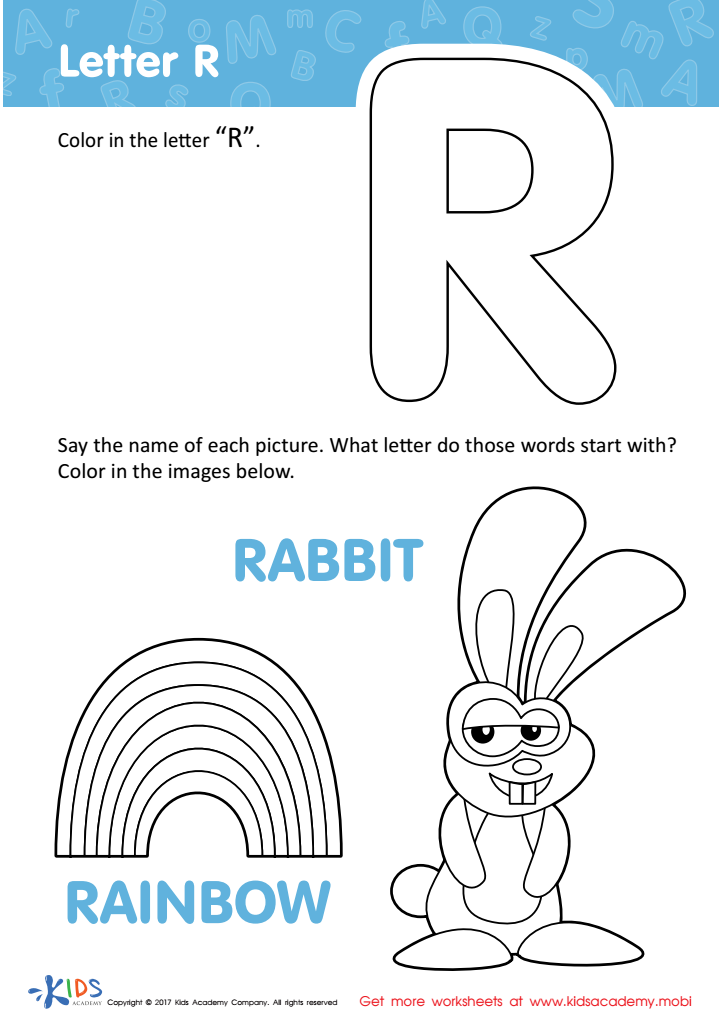
Letter R Coloring Sheet
 Assign to My Students
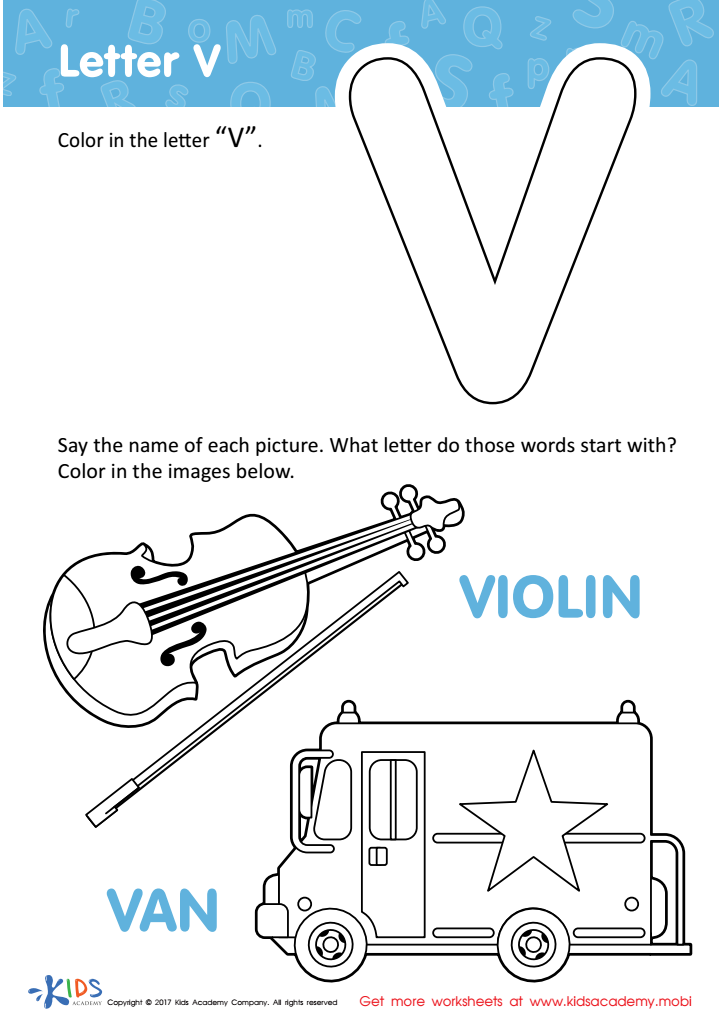
Letter V Coloring Sheet
Assign to My Students
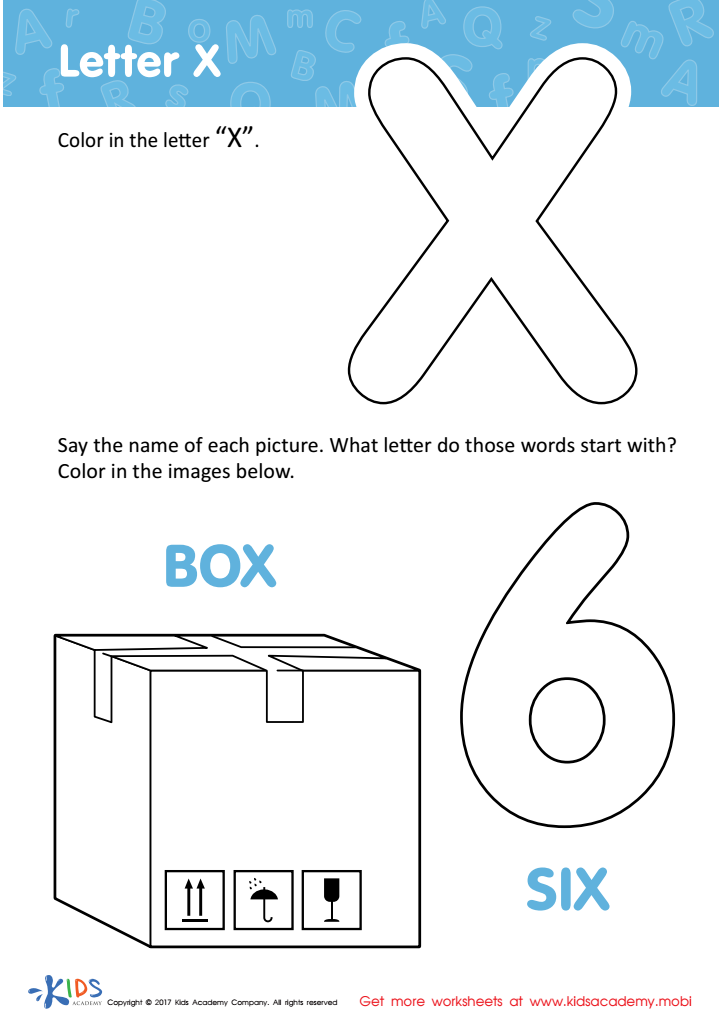
Letter X Coloring Sheet
Assign to My Students








Writing practice and easy letter recognition are crucial for children aged 6-7, as this is a pivotal period in their literacy development. At this age, students transition from recognizing letters to writing them, laying the foundation for their future reading and writing skills. Strong letter recognition enhances phonemic awareness, enabling children to connect sounds with their corresponding letters, which is essential for effective reading.
Moreover, writing practice fosters fine motor skills and coordination, important for tasks beyond literacy, including art and daily activities. When parents and teachers engage in writing practice, they nurture self-expression, allowing children to convey their thoughts and feelings confidently.
By incorporating fun and engaging activities, such as letter tracing, creative writing prompts, or interactive games, adults can encourage a love for writing and learning. This not only enhances academic performance but also boosts children’s self-esteem and enthusiasm for education.
Investing time in writing practice and letter recognition influences children's success both in school and in their future. By supporting this skill development, parents and teachers create a strong foundation for lifelong literacy, ultimately fostering better communication skills essential in today's world. Thus, cultivating these skills is a vital step in every child’s educational journey.