Fine Motor Skills Easy Numbers Worksheets for Ages 6-7 - Page 2
28 filtered results
-
From - To
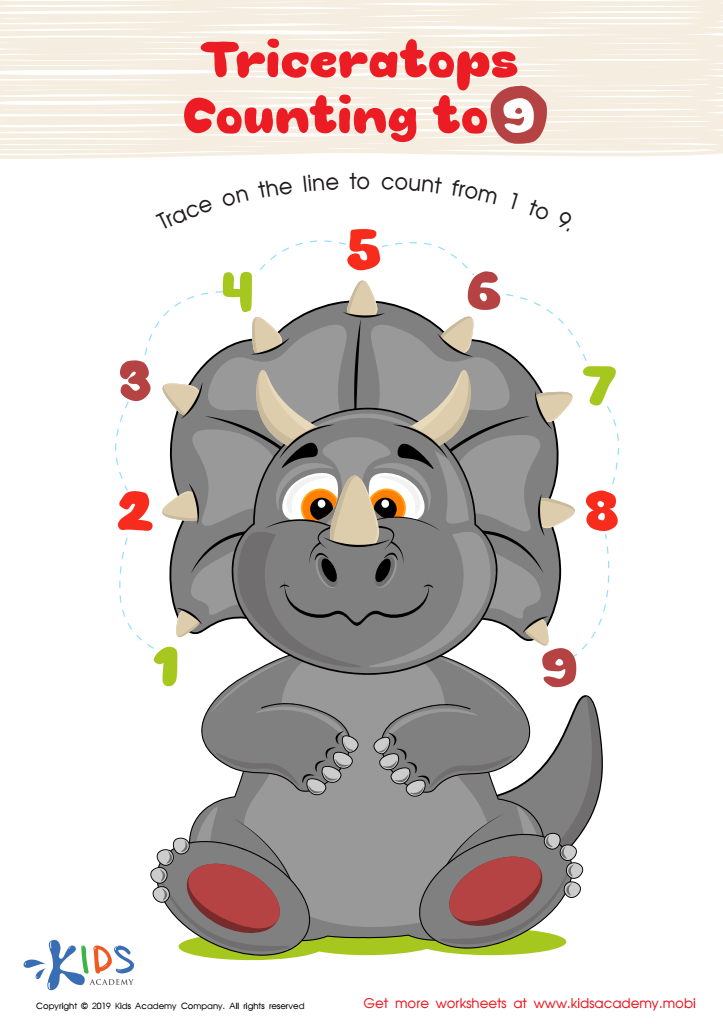
Triceratops Counting to 9 Worksheet
 Assign to My Students

Counting on the City Skyline: Dot-to-Dot Worksheet
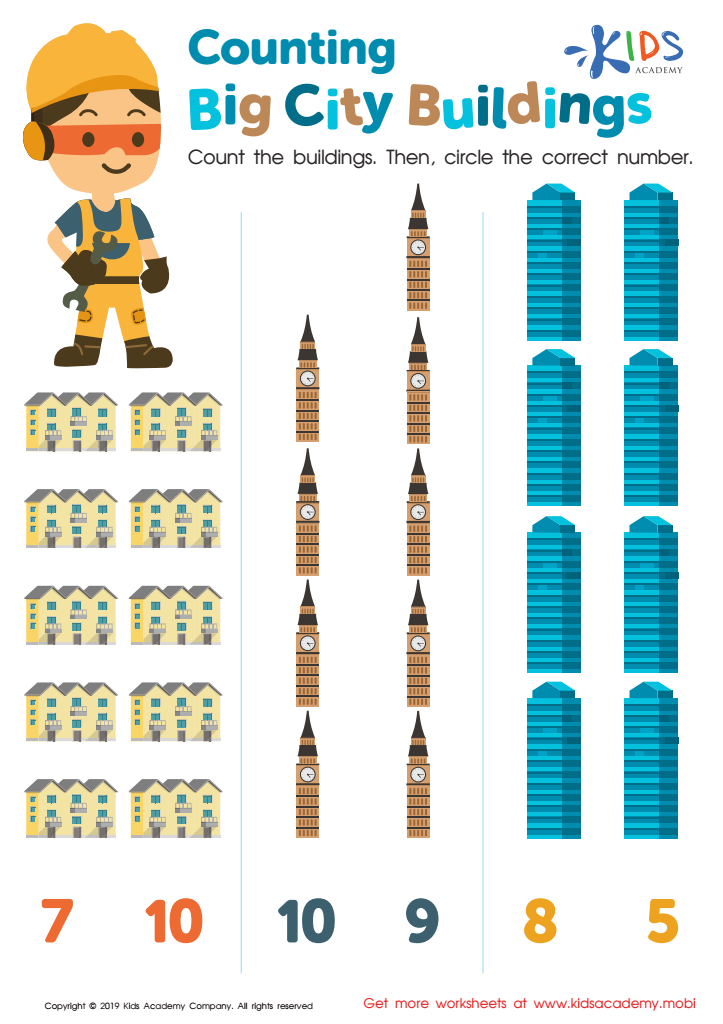
Counting Big City Buildings Worksheet

Night Sky Numbers Worksheet





%20(1).jpg)


Fine motor skills are crucial for children aged 6-7 as they significantly impact their developmental, academic, and everyday functioning. During this age, children refine these skills through various activities that require precise hand and finger movements, which in turn fosters their independence and confidence.
Mastering fine motor skills enables children to perform essential tasks such as holding a pencil correctly, tying shoelaces, and using scissors, all of which are fundamental for school readiness. Teachers and parents should prioritize activities that enhance these skills, including crafting, drawing, and threading beads. These activities not only improve dexterity but also stimulate cognitive development by encouraging focus and problem-solving.
Moreover, strong fine motor skills contribute to academic success. Children who struggle with these skills may find tasks like writing and completing assignments more challenging, leading to frustration and decreased motivation. By understanding the importance of fine motor development, parents and teachers can support children in building a strong foundation for future learning. Investing time and resources into fine motor skill development provides children with the tools necessary for lifelong learning and success, making it an essential concern for both parents and educators.








