Understanding sequencing Easy Math Worksheets for Ages 6-7
3 filtered results
-
From - To
Discover the joy of learning with our Understanding Sequencing Easy Math Worksheets for Ages 6-7. Carefully designed to engage young minds, these worksheets help children grasp the concept of sequencing, an essential skill in early math development. Each activity encourages kids to logically order numbers, events, and patterns, making learning fun and interactive. Perfect for reinforcing school lessons or providing extra practice at home, our worksheets foster critical thinking, improve number sense, and build a strong foundation for future math success. Explore our vast collection today to support your child's learning journey seamlessly and effectively.
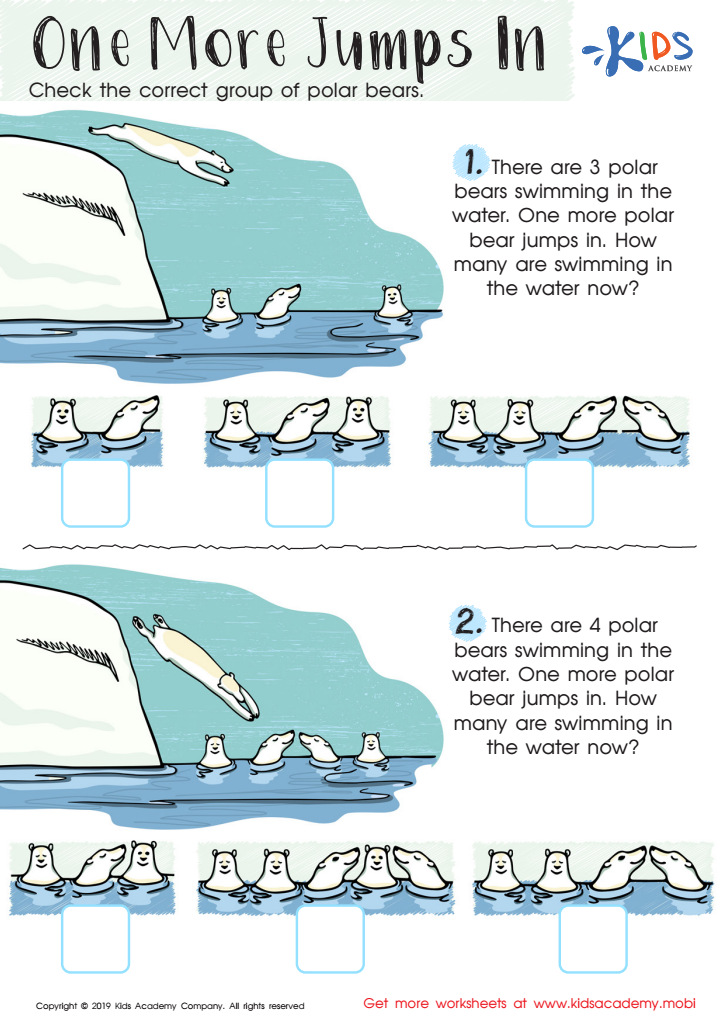
One More Jumps In Worksheet
 Assign to My Students
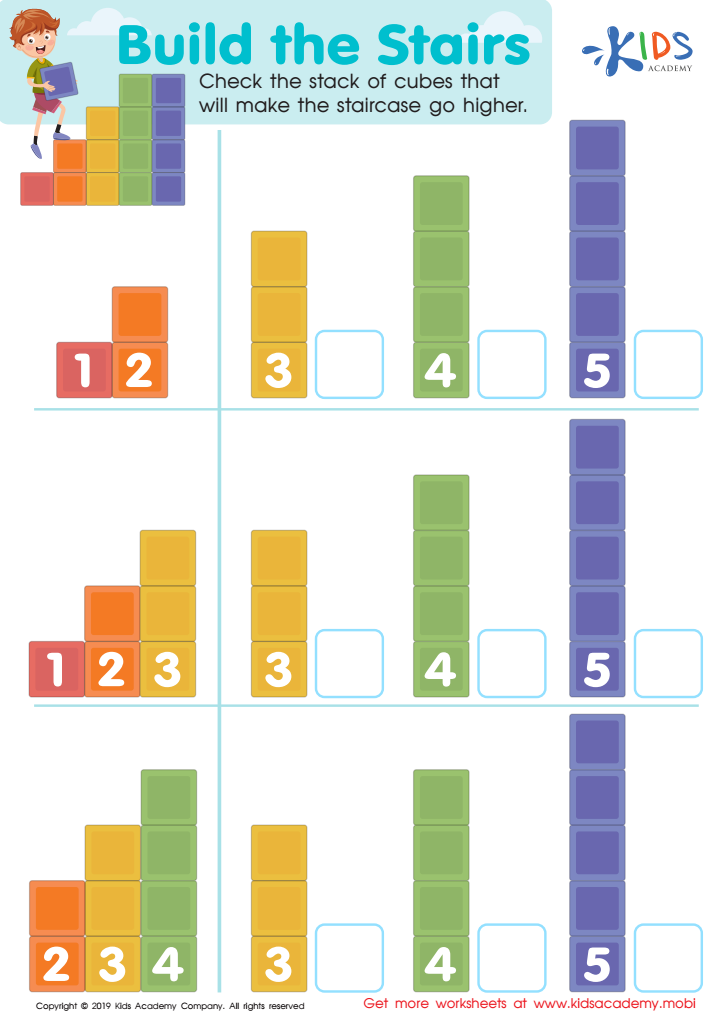
Build the Stairs Worksheet
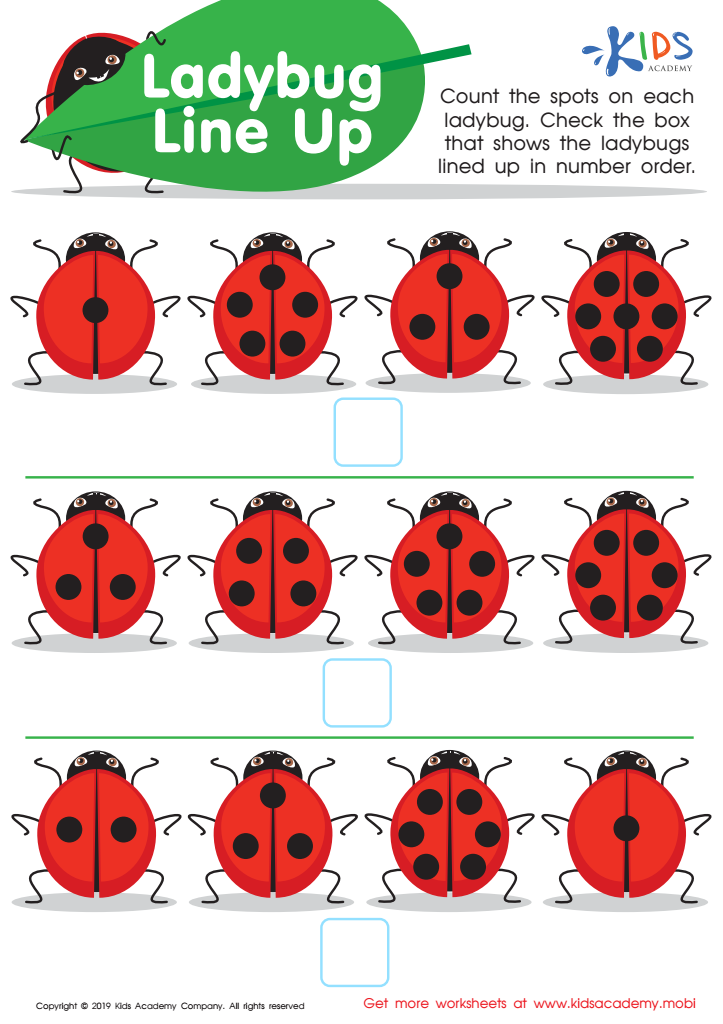
Ladybug Line Up Worksheet







Understanding sequencing is crucial for young learners, particularly those aged 6-7, as it lays the foundation for a variety of essential cognitive and academic skills. Sequencing involves the ability to arrange events, objects, or actions in a particular order, which is a fundamental aspect of logical thinking and comprehension. This skill is deeply interwoven with early math concepts such as counting, patterns, and problem-solving.
When children grasp sequencing, they can better understand number lines and the progression of numbers, which ultimately improves their arithmetic abilities. Recognizing patterns, such as identifying what comes next in a series, reinforces their ability to predict outcomes and develop critical thinking skills. Furthermore, sequencing supports literacy development; understanding the sequence of events in a story or the order of instructions enhances their reading comprehension and ability to follow directions.
For parents and teachers, emphasizing sequencing helps create a strong academic foundation. It encourages a smooth transition from simple math facts to more complex concepts, ensuring children build their confidence and skills progressively. Additionally, it fosters self-discipline and organizational capacity, which are important life skills. By integrating sequencing activities into daily learning, adults can greatly enrich a child’s educational experience and set them up for future success in various academic and real-life scenarios.








