Phonics recognition Easy Alphabet Worksheets for Ages 6-8
4 filtered results
-
From - To
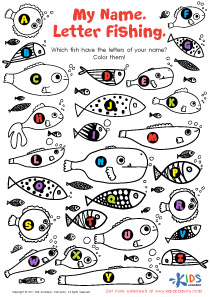
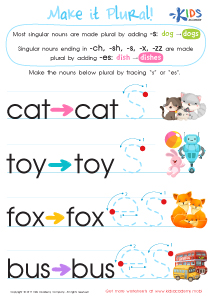
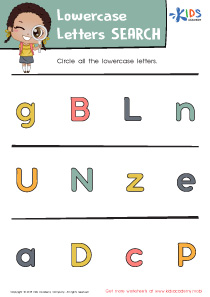
Our Phonics Recognition Easy Alphabet Worksheets for Ages 6-8 are designed to make learning the alphabet a fun and engaging experience for young learners. These expertly crafted worksheets help children to recognize letter sounds, match letters with words, and develop essential reading and phonics skills. Colorful illustrations and interactive activities keep children interested and motivated. Ideal for classroom or at-home learning, these worksheets provide a solid foundation in literacy that sets the stage for academic success. Download and print our easy-to-use worksheets today to support your child's journey in mastering the alphabet and phonics.
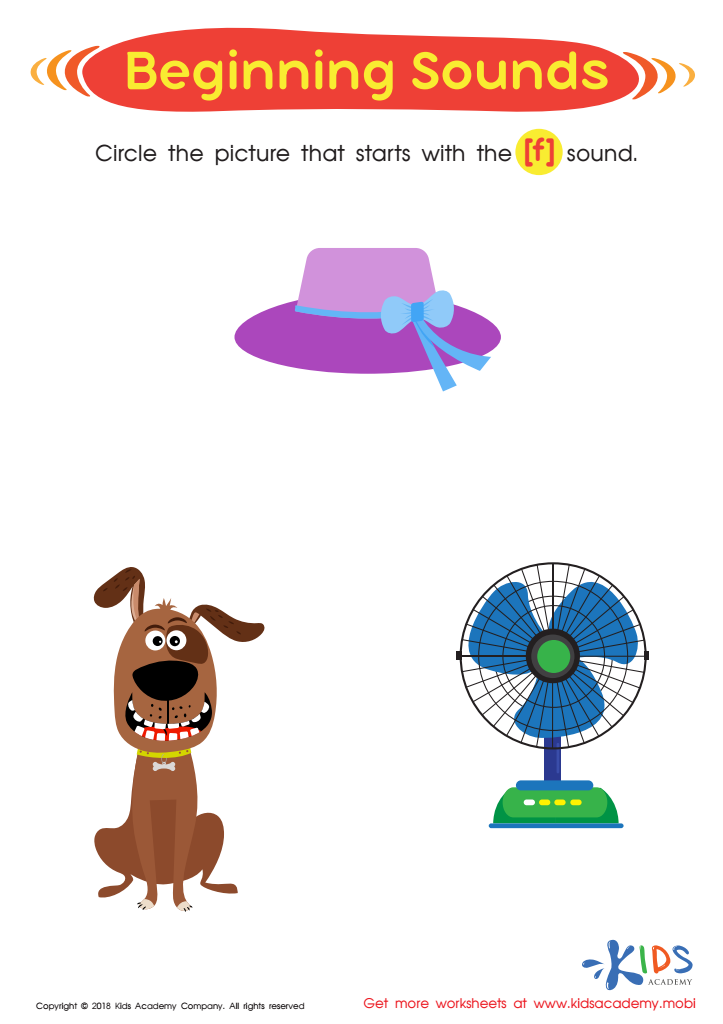
Beginning Sounds Assessment Printable
 Assign to My Students
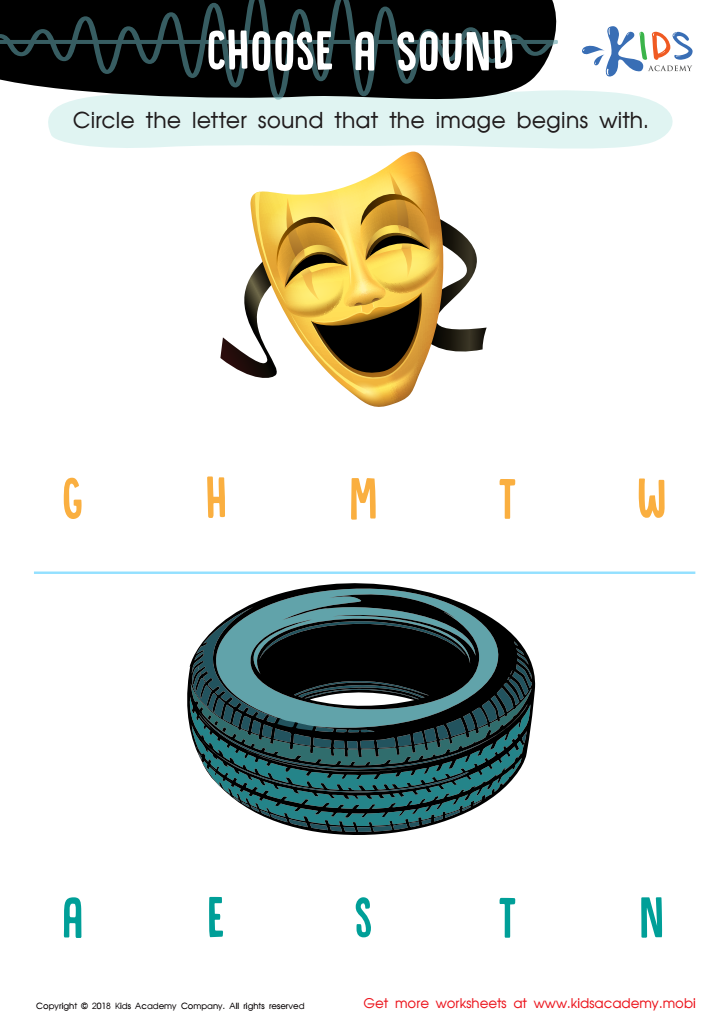
Choose a Sound Worksheet
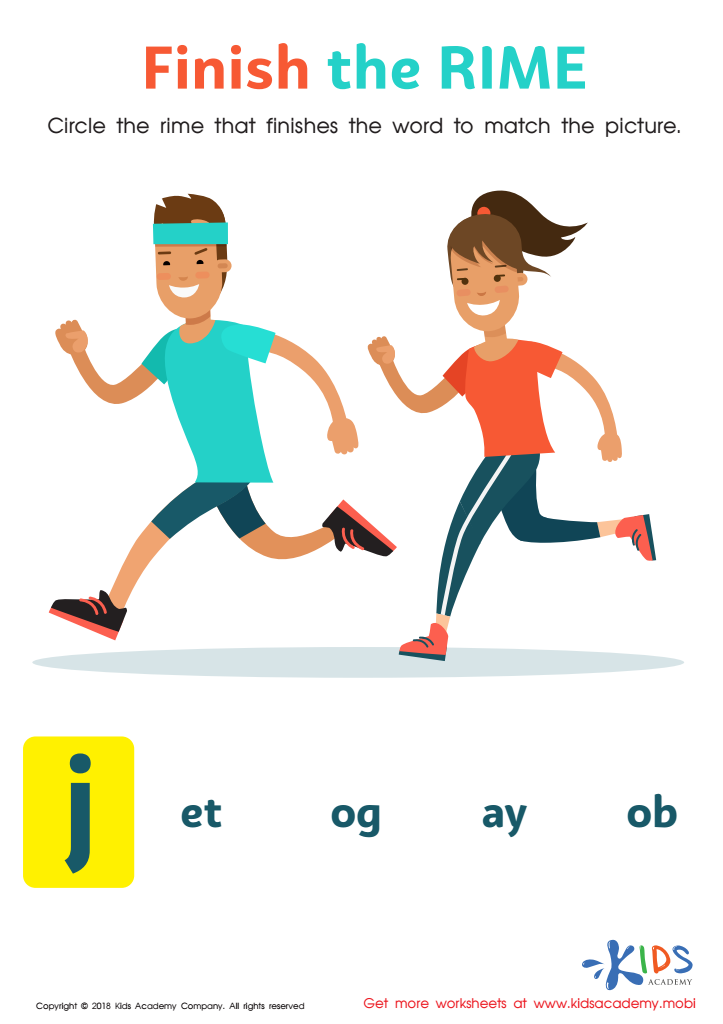
Finish the Rime Worksheet
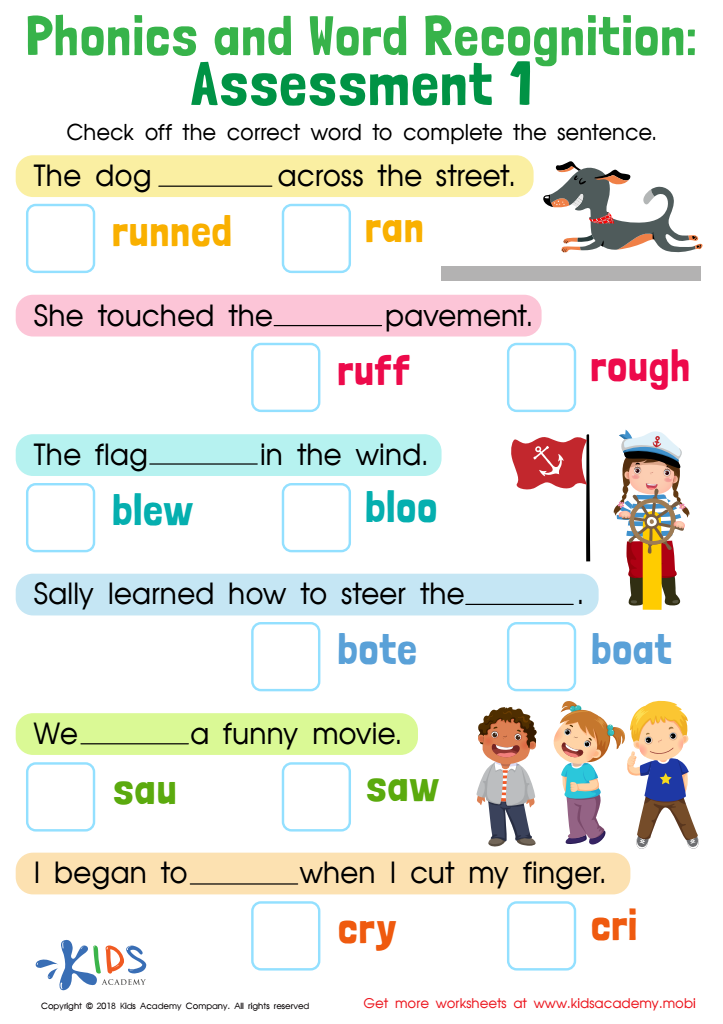
Phonics and Word Recognition: Assessment 1 Worksheet








Phonics recognition and mastering the Easy Alphabet are fundamental building blocks for early readers, specifically for children aged 6–8. At this developmental stage, children transition from speaking and listening to reading and writing, and understanding phonics plays a crucial role in this shift. Phonics helps children connect sounds with letters (phonemic awareness) and understand how these sounds form words.
Recognizing the Easy Alphabet and associating letters with corresponding sounds builds a strong foundation for reading fluency and comprehension. When children grasp these basic connections, it enhances their ability to decode unfamiliar words, leading to more successful and confident reading experiences. Furthermore, early mastery of phonics can smooth the progression to more complex language skills, such as spelling and writing.
For parents and teachers, emphasizing phonics offers a structured path to support children in their literacy journey. Engaging activities like songs, rhymes, and games can make learning phonics both enjoyable and effective. By devoting attention to phonics recognition, adults provide children with the tools necessary to become proficient readers, which is crucial for academic success and lifelong learning. Investing time and effort in teaching these skills can foster a child’s love for reading and open doors to future educational opportunities.
In summary, supporting phonics recognition and easy alphabet learning at an early age creates confident, capable readers, paving the way for overall academic achievement and a genuine connection with literacy.