Capitalization rules Easy Upper & Lowercase Letters Worksheets for Ages 6-8
3 filtered results
-
From - To
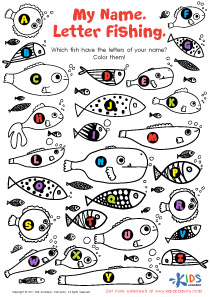
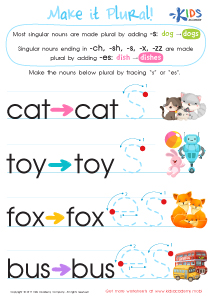
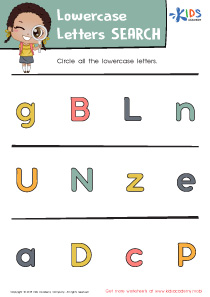
Unlock the world of writing with our "Capitalization Rules Easy Upper & Lowercase Letters Worksheets" designed specifically for children aged 6-8! These engaging worksheets help young learners grasp essential capitalization rules through fun activities. Featuring colorful illustrations and user-friendly layouts, students will practice identifying uppercase and lowercase letters, along with proper nouns and sentence beginnings. This resource promotes creativity while solidifying foundational literacy skills, making learning both enjoyable and effective. Ideal for classroom or home use, these worksheets encourage children to explore the beauty of writing with confidence. Start your child's journey toward mastering capitalization today!
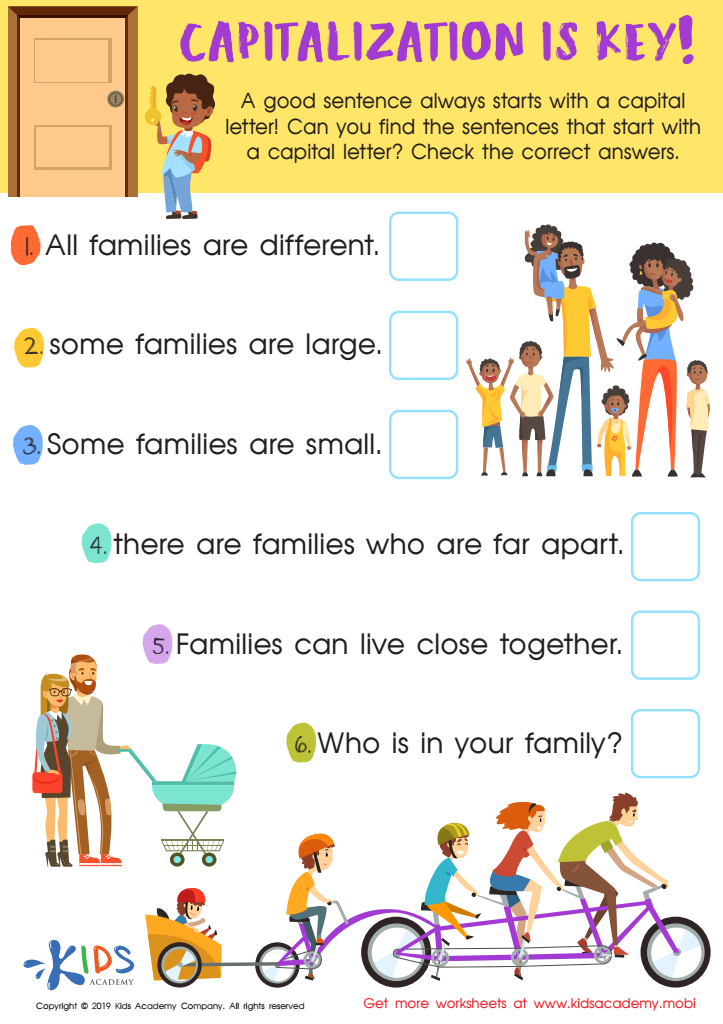
Capitalization Key Worksheet
 Assign to My Students






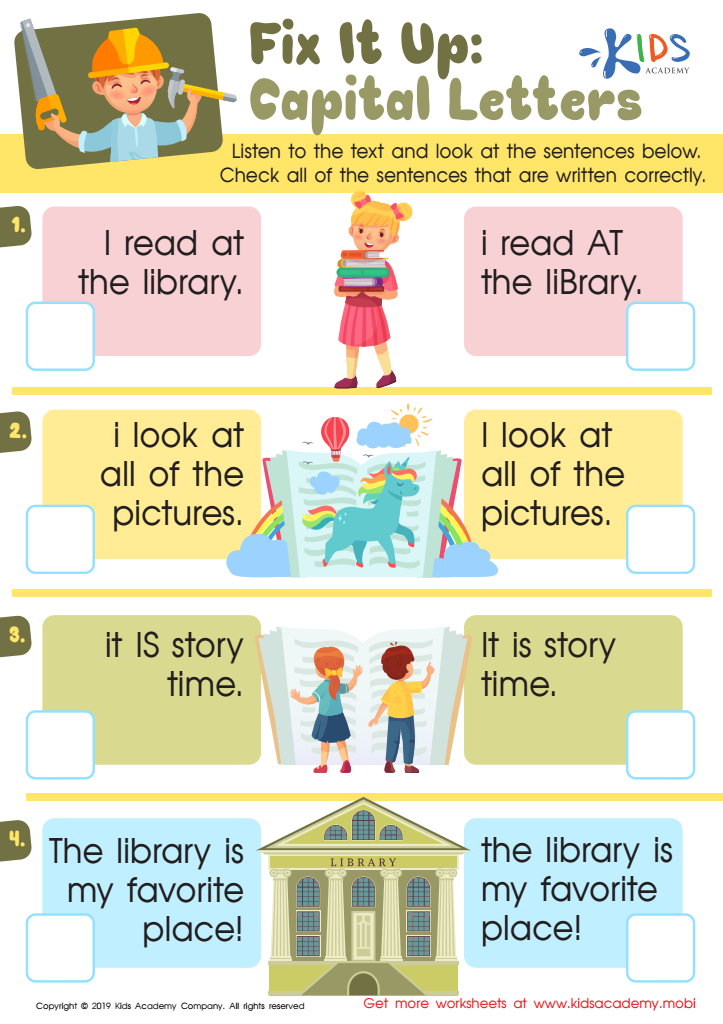
Fix Capital Letters Worksheet

How to Capitalize Worksheet






Parents and teachers play a crucial role in shaping early literacy skills in children ages 6-8, and understanding capitalization rules is essential for several reasons. First, mastering uppercase and lowercase letters lays the foundation for reading and writing. Recognizing when to use capital letters helps children read sentences more fluently and comprehend text better, as clear distinctions between proper nouns, beginnings of sentences, and titles enhance their understanding of written communication.
Second, learning capitalization rules fosters children’s ability to convey meaning accurately. For instance, misunderstanding or neglecting capitalization can lead to confusion, altering the message in a sentence. By teaching these rules early on, parents and teachers help children develop clear communication skills, essential for both academic success and social interactions.
Moreover, a solid grasp of uppercase and lowercase letters boosts children’s confidence in writing. As children create stories or journals, knowing the correct use of capitalization allows them to produce polished, readable work, encouraging their creativity and expression.
In summary, teaching capitalization rules is vital for literacy development, comprehension, effective communication, and confidence, making it a priority for parents and educators in the early stages of learning.