Fine Motor Skills Easy World Around Us Worksheets for Ages 6-8
3 filtered results
Difficulty Level
Grade
Age
-
From - To
Subject
Activity
Standards
Discover our "Fine Motor Skills Easy World Around Us Worksheets" designed specifically for ages 6-8! These engaging resources help children enhance their fine motor skills through fun, interactive activities. With vibrant illustrations and simple prompts, kids will explore shapes, patterns, and everyday objects while improving their dexterity, hand-eye coordination, and engage in relaxation techniques. Each worksheet encourages creative expression, aiding in the development of essential skills necessary for writing and everyday tasks. Perfect for home or classroom use, these worksheets provide a seamless blend of learning and play, making fine motor skill development an enjoyable adventure for young learners!
Favorites
With answer key
Interactive

 Assign to My Students
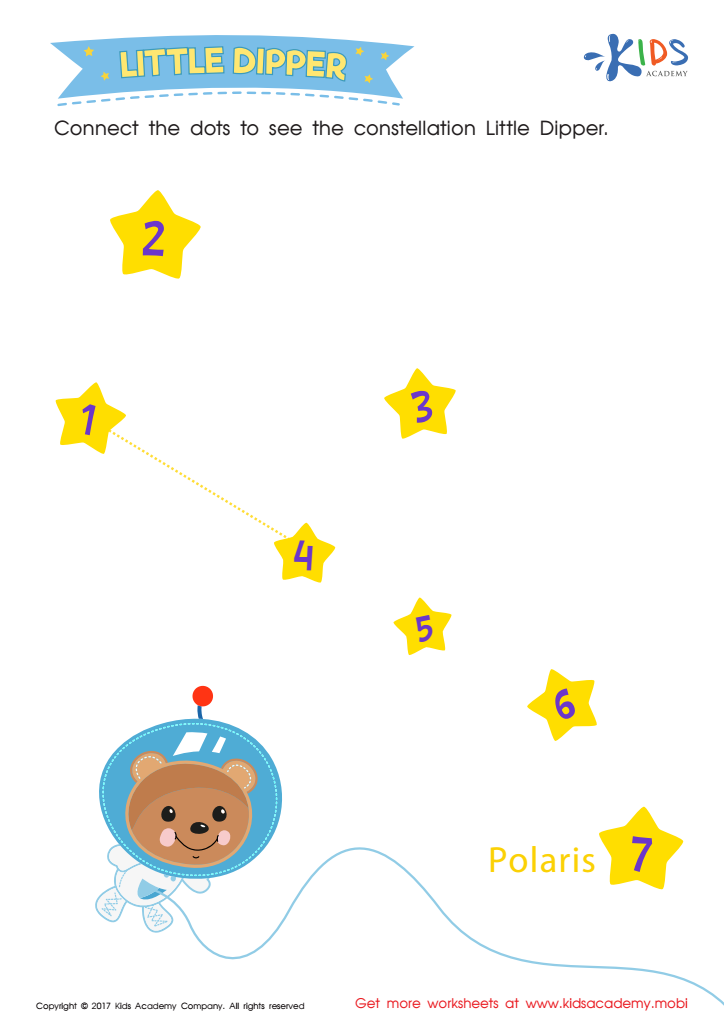
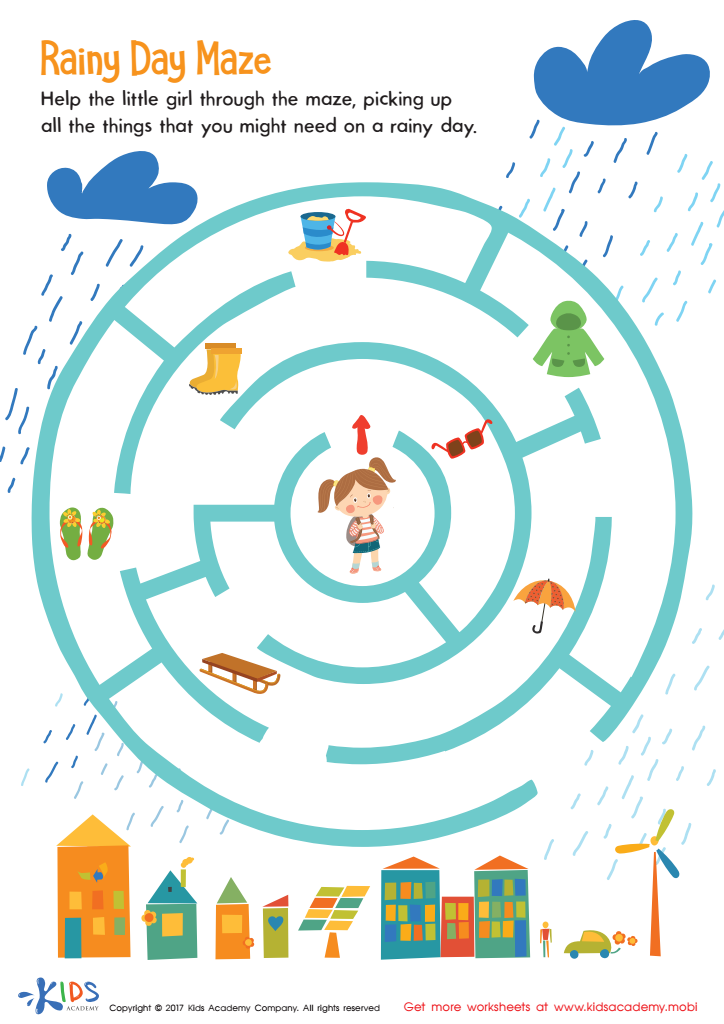
Rainy Day Maze Worksheet
Help your child use critical and problem solving skills to choose the right items! With this fun rainy day worksheet, they'll have a blast helping the character in the maze while learning about weather. Let’s get started!
Rainy Day Maze Worksheet
Worksheet
Join Kids Academy for Free
Who is primarily going to use this learning content?








Fine motor skills are crucial for children ages 6-8 as they significantly impact their daily life and overall development. These skills involve the precise use of small muscles in the hands, fingers, and wrists to perform tasks like writing, drawing, cutting, and manipulating small objects. When children master fine motor skills, they gain confidence and independence in activities requiring dexterity.
Parents and teachers should care about these skills because they are foundational for academic success. Proficient fine motor skills enhance a child's ability to complete classroom tasks, such as writing neatly and using tools effectively, which in turn aids in better learning experiences. Moreover, fine motor control impacts self-care activities, like buttoning clothes or tying shoelaces, promoting early autonomy.
Supporting and nurturing these skills can also address potential developmental delays, providing an opportunity for early intervention if required. Engaging activities, like arts and crafts, puzzles, and building projects, can make learning these skills enjoyable and effective. Enhanced fine motor skills not only set the stage for growth in areas like handwriting but also foster creative thinking and problem-solving, creating well-rounded, capable individuals. Thus, focusing on fine motor skills during these critical years is essential for fostering growth and a love of learning.