Writing practice Easy ABC Letters Worksheets for Ages 6-9
3 filtered results
-
From - To
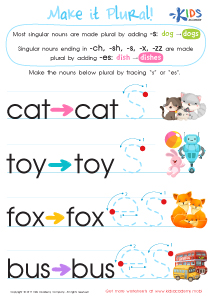
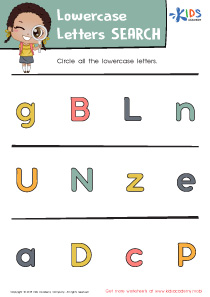
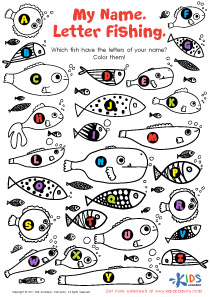
Enhance your child's writing skills with our "Writing Practice Easy ABC Letters Worksheets for Ages 6-9." These engaging and educational worksheets are designed to make learning the alphabet fun for young learners. Perfect for beginners, each worksheet provides ample space for tracing and writing letters, helping to strengthen fine motor skills and letter recognition. Ideal for classroom or home use, these activities keep kids motivated and interested as they master the basics of writing. Set your child on the path to literacy success with these delightful and effective alphabet worksheets. Download now and see the difference!
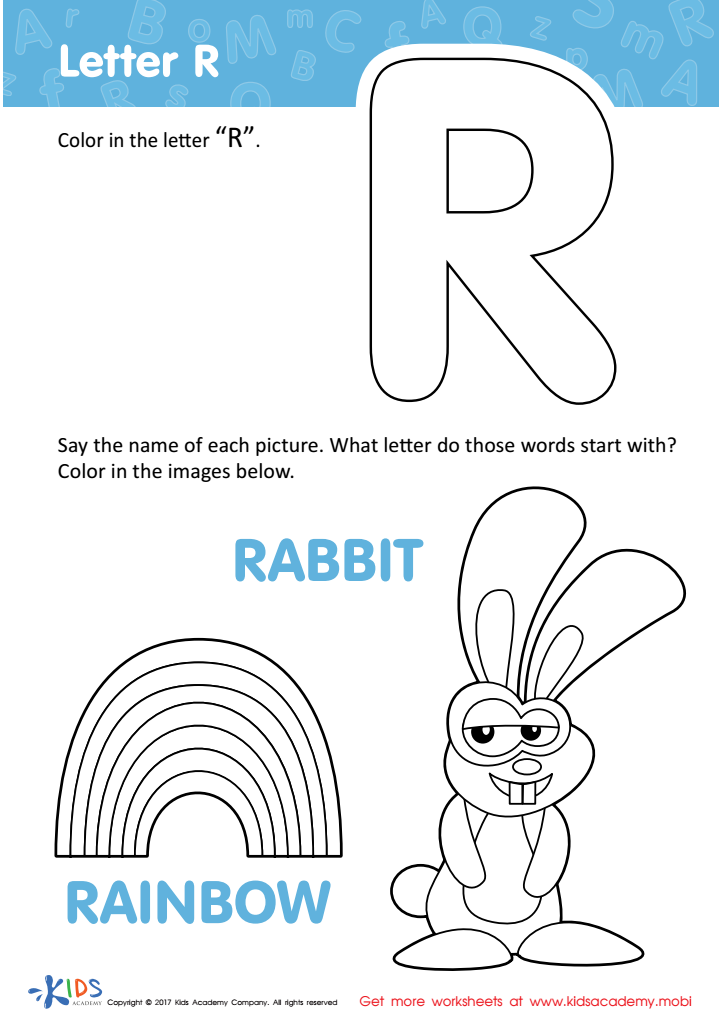
Letter R Coloring Sheet
 Assign to My Students






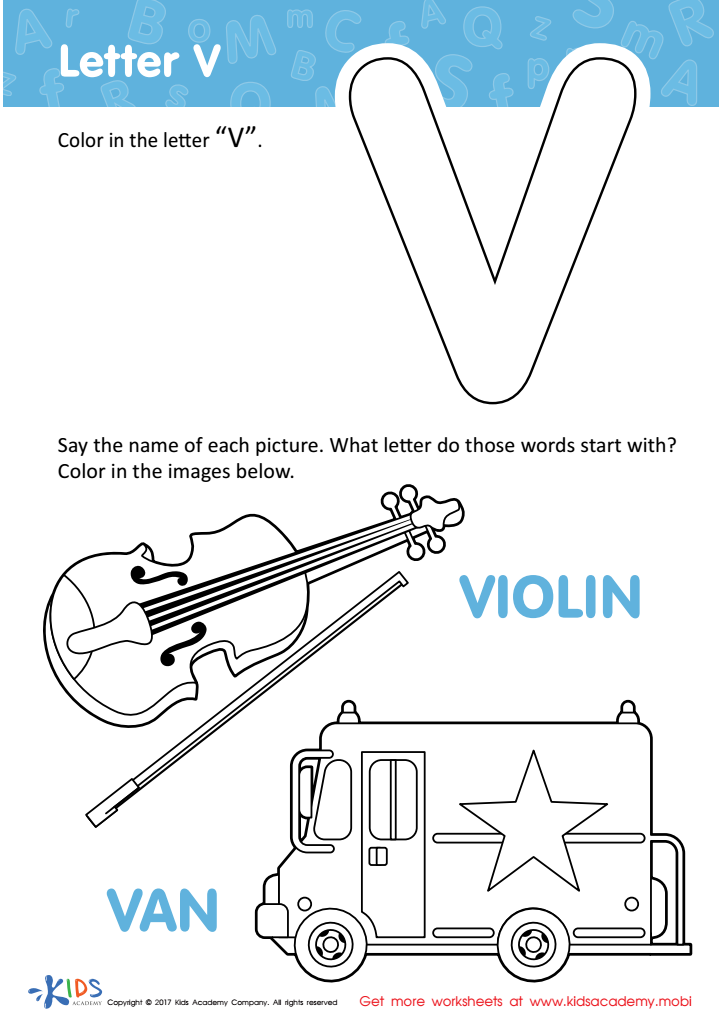
Letter V Coloring Sheet
Assign to My Students
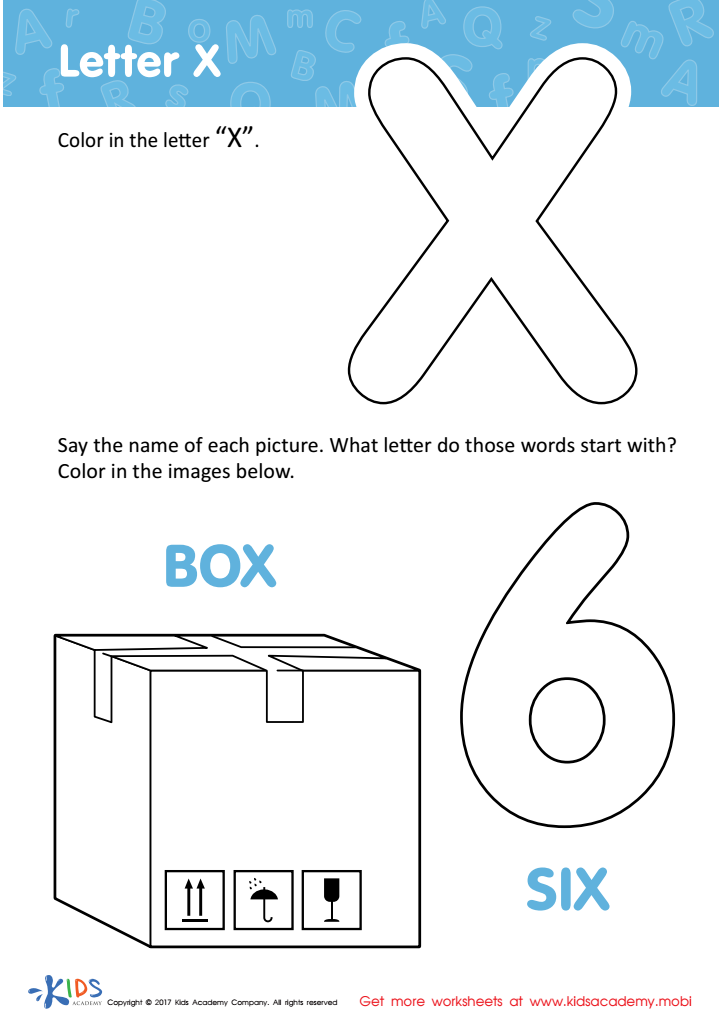
Letter X Coloring Sheet
Assign to My Students








Writing practice focused on ABC letters for children aged 6-9 is crucial for foundational literacy development. At this formative stage, mastering the basics of writing is key to academic success. When children engage in writing practice, they improve their fine motor skills, which are essential for tasks beyond the classroom. Ensuring kids can form letters correctly and legibly means they will face fewer frustrations in their academic journey, enabling them to focus on creativity and content as they grow.
Additionally, writing ABC letters enhances cognitive development. It reinforces letter recognition and phonemic awareness, acting as a stepping stone to more complex language skills like reading and comprehension. As children practice, they make neural connections that facilitate better memory retention and information processing.
Moreover, writing practice can boost confidence. When kids see tangible evidence of their progress, they feel a sense of accomplishment, fostering a positive attitude towards learning. This confidence can ripple into other academic and social areas, setting a foundation for lifelong learning and communication skills.
Parents and teachers play a pivotal role by providing the tools and encouragement needed to practice writing. Engaging resources like worksheets, games, and timed activities can make learning fun and effective. Prioritizing ABC writing practice shapes capable, confident learners ready to tackle future challenges.