Writing practice Easy Letter Recognition Worksheets for Ages 6-9
3 filtered results
-
From - To
Introducing our "Writing Practice Easy Letter Recognition Worksheets" designed specifically for ages 6-9! These engaging worksheets from Kids Academy are perfect for young learners developing their alphabet skills. Our resources offer a variety of fun activities to help children easily recognize and write letters, enhancing their handwriting and phonics knowledge. Each worksheet combines fun and learning, incorporating captivating visuals and simple instructions to keep children motivated. Ideal for classrooms or at-home practice, these worksheets will boost your child's writing confidence and foundational literacy skills. Download today and watch your child’s letter recognition and writing flourish!
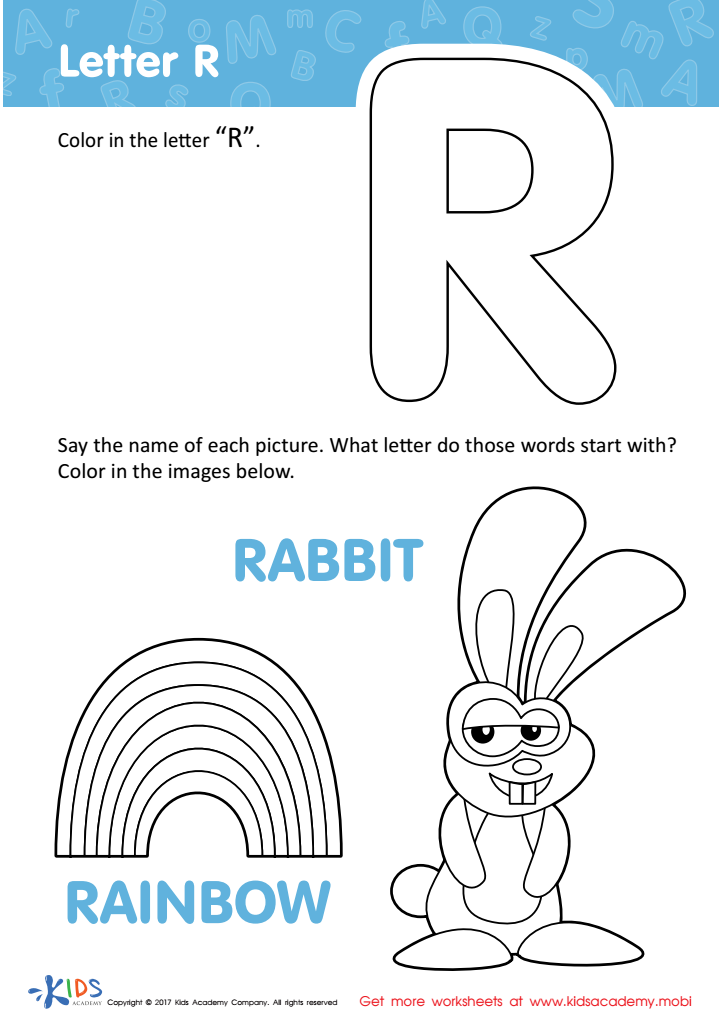
Letter R Coloring Sheet
 Assign to My Students
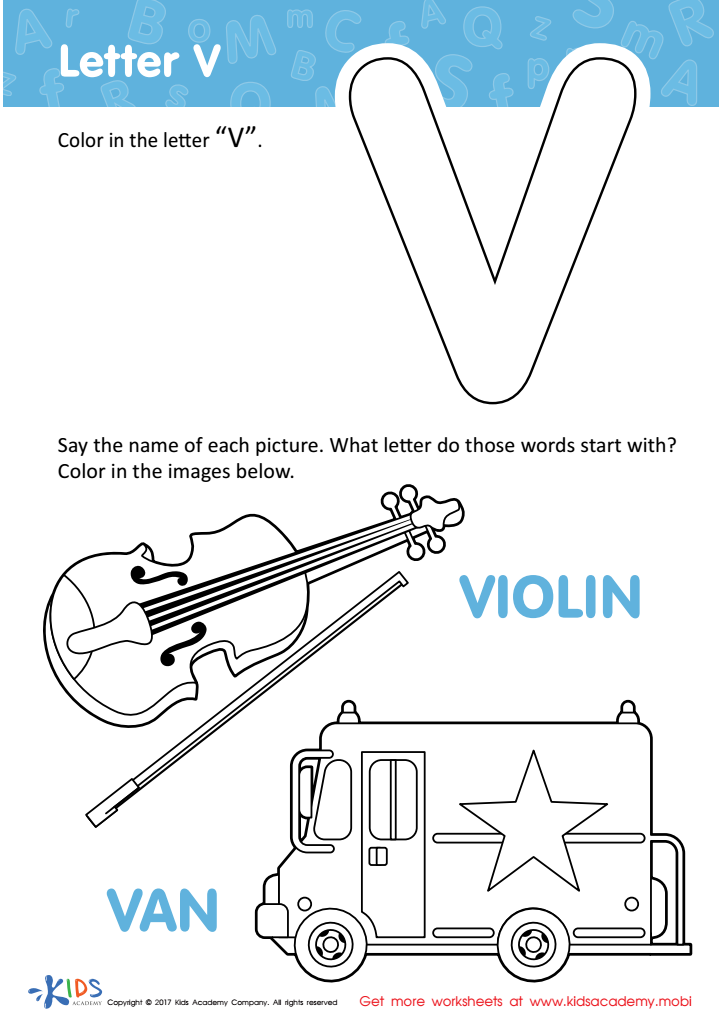
Letter V Coloring Sheet
Assign to My Students
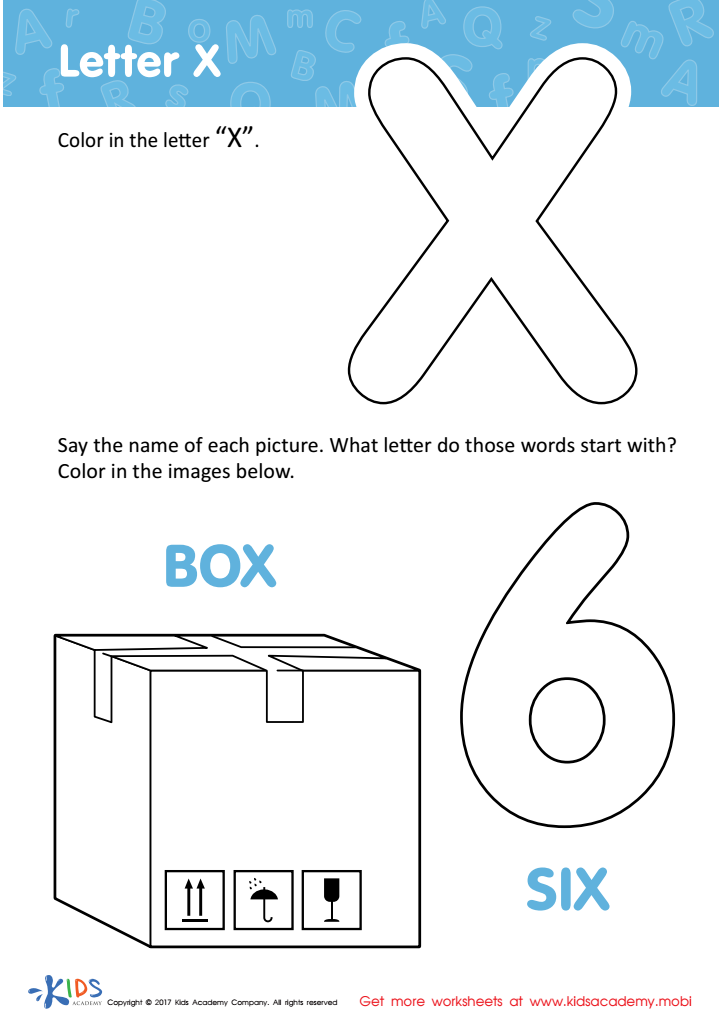
Letter X Coloring Sheet
Assign to My Students








Young children's education is incredibly important, and one foundational skill they need to learn is proper letter recognition. Writing practice that emphasizes easy letter recognition for ages 6-9 is crucial for several reasons.
Firstly, it lays the groundwork for literacy. Being able to correctly recognize and write letters enables children to read and understand text, which is fundamental for all other learning. It directly impacts their ability to spell, decode words, and develop their vocabulary.
Secondly, writing practice enhances fine motor skills. When children practice forming letters, they refine the muscles in their hands and fingers, improving their overall dexterity and hand-eye coordination, which also benefits other tasks.
Moreover, early success in letter recognition fosters confidence. When children easily recognize and write letters, they experience a sense of accomplishment that motivates them to engage more deeply with learning.
In addition, integrating writing practice into a child’s day helps create routines that balance play and structured learning, which is essential for cognitive development.
To summarize, emphasizing easy letter recognition through writing practice for children aged 6-9 is vital in their development. It not only boosts literacy and fine motor skills but also builds confidence and essential habits for lifelong learning. Parents and teachers should prioritize it as a key component of early education.