Phonics recognition Easy Phonics Worksheets for Ages 6-9
4 filtered results
-
From - To
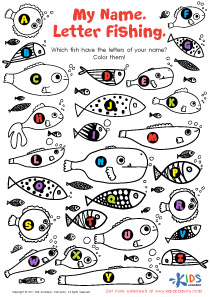
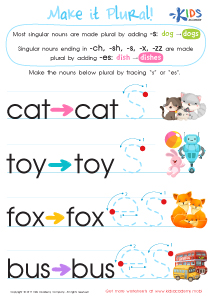
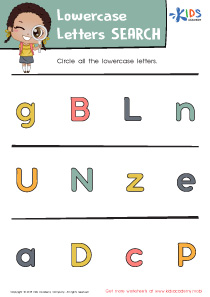
Enhance your child's reading skills with our Easy Phonics Worksheets, specially designed for ages 6-9. These engaging worksheets focus on phonics recognition, helping young learners connect sounds to letters and improve their vocabulary. Each worksheet features fun activities that promote letter-sound correspondence, making phonics learning exciting and interactive. From identifying beginning sounds to blending letters, our resources support literacy development in a playful manner. Perfect for parents and teachers, these worksheets offer a structured approach to mastering phonics concepts, enabling students to gain confidence in their reading abilities. Jumpstart your child's phonics journey today with our thoughtfully crafted worksheets!
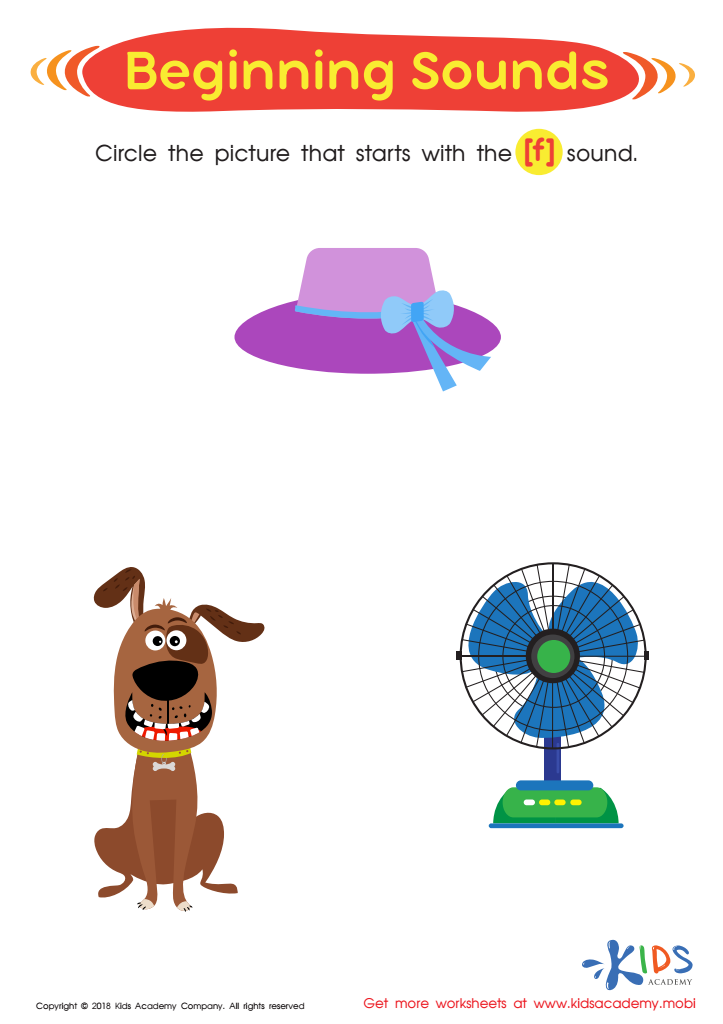
Beginning Sounds Assessment Printable
 Assign to My Students
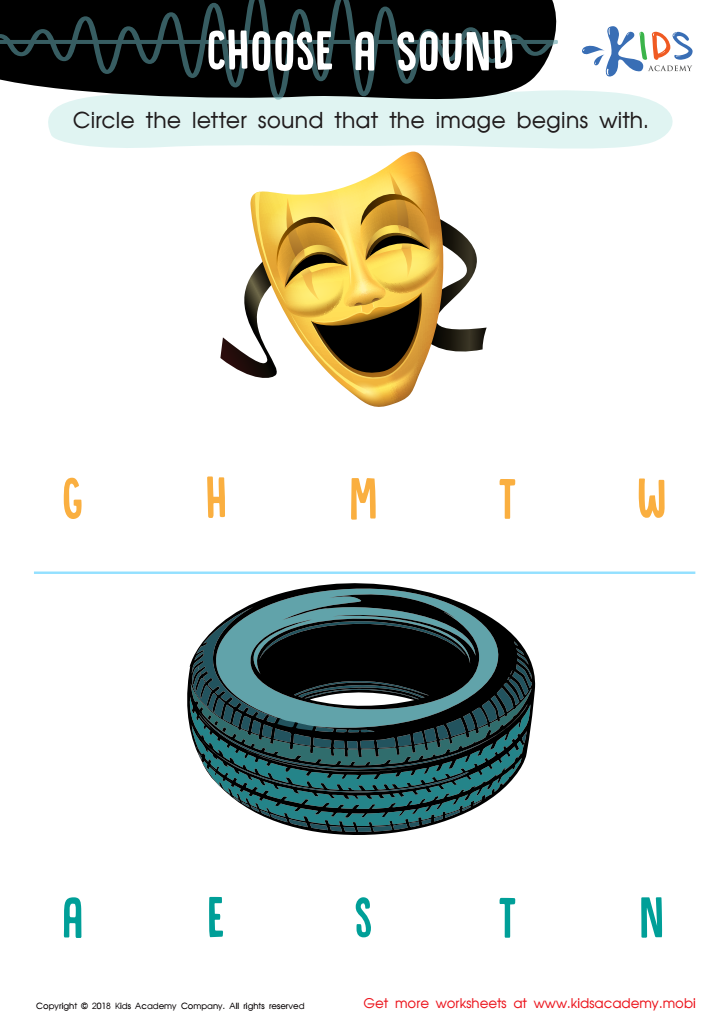
Choose a Sound Worksheet
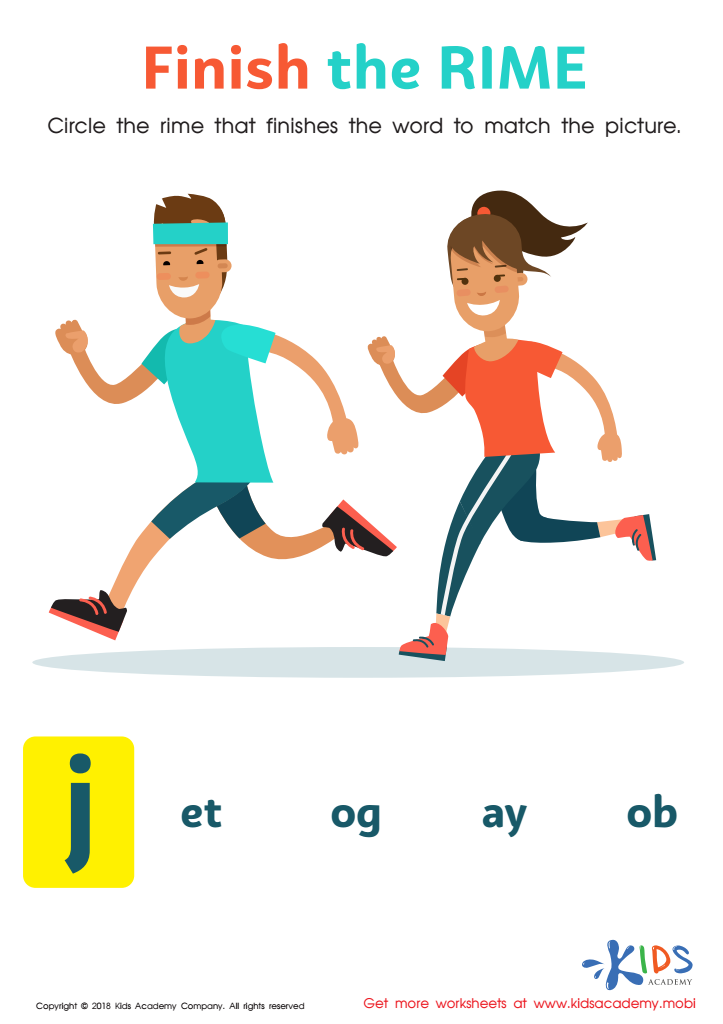
Finish the Rime Worksheet
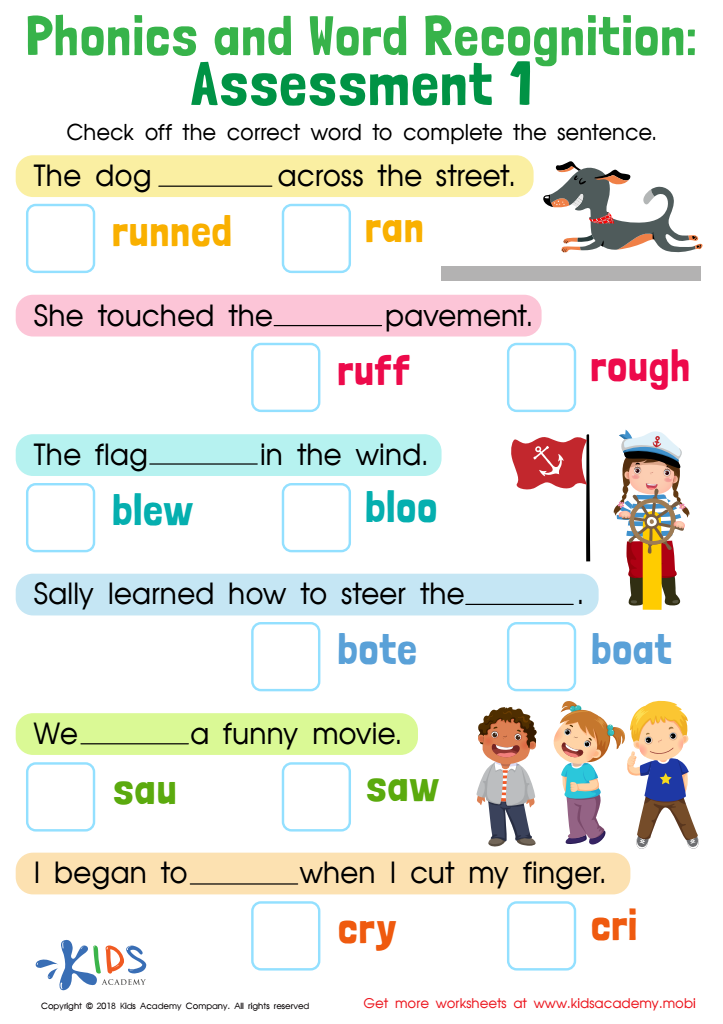
Phonics and Word Recognition: Assessment 1 Worksheet








Phonics recognition is a crucial skill for children aged 6-9, as it forms the foundation for successful reading and comprehension. It involves associating sounds with letters and understanding how these sounds combine to create words. For parents and teachers, fostering proficiency in phonics with approaches like Easy Phonics provides numerous benefits.
Firstly, strong phonics recognition aids in developing confident readers. Children who can easily identify sounds and blend them are more likely to read accurately and fluently, enhancing their overall literacy skills. This proficiency promotes a love for reading, contributing to lifelong learning.
Furthermore, phonics instruction supports spelling and writing capabilities. Recognizing patterns in words helps children transfer their knowledge from reading to composing text, improving their communication skills.
Additionally, a solid grounding in phonics equips children to tackle more complex texts in later grades. Without these foundational skills, they may struggle with reading comprehension and confidence in academic settings.
Overall, emphasizing phonics recognition, such as through Easy Phonics, is a proactive step that parents and teachers can take to nurture a child’s reading journey, ensure they develop critical language skills, and cultivate a positive attitude towards learning that cannot be overstated.