Improve counting skills Easy Math Worksheets for Ages 6-9
6 filtered results
-
From - To
Unlock your child's full potential with our "Improve Counting Skills Easy Math Worksheets for Ages 6-9". Designed for young learners, these engaging worksheets help build a strong mathematical foundation, making counting fun and interactive. Our diverse activities foster number recognition, sequencing, and basic arithmetic, tailored to develop essential skills in an enjoyable way. Each worksheet strategically targets key learning areas, ensuring that progression is smooth and confidence is built with every step. Perfect for at-home practice or supplemental classroom materials, these worksheets make mastering math an exciting adventure for kids. Start today and watch as your child's counting skills flourish!
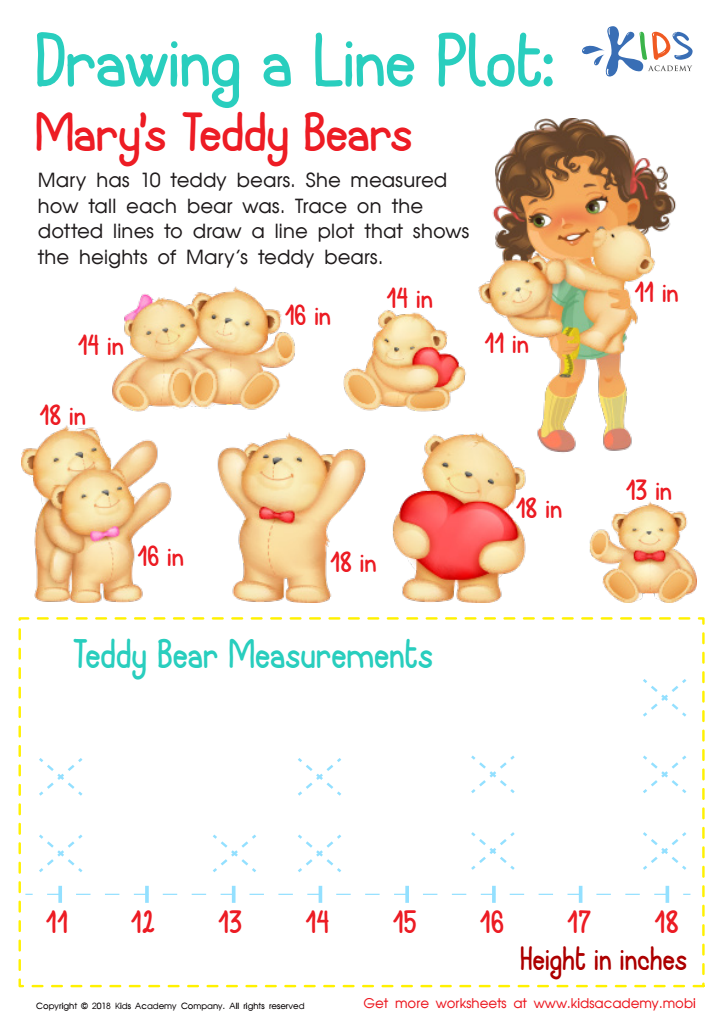
Drawing and Line Plot: Mary's Teddy Bears Worksheet
 Assign to My Students
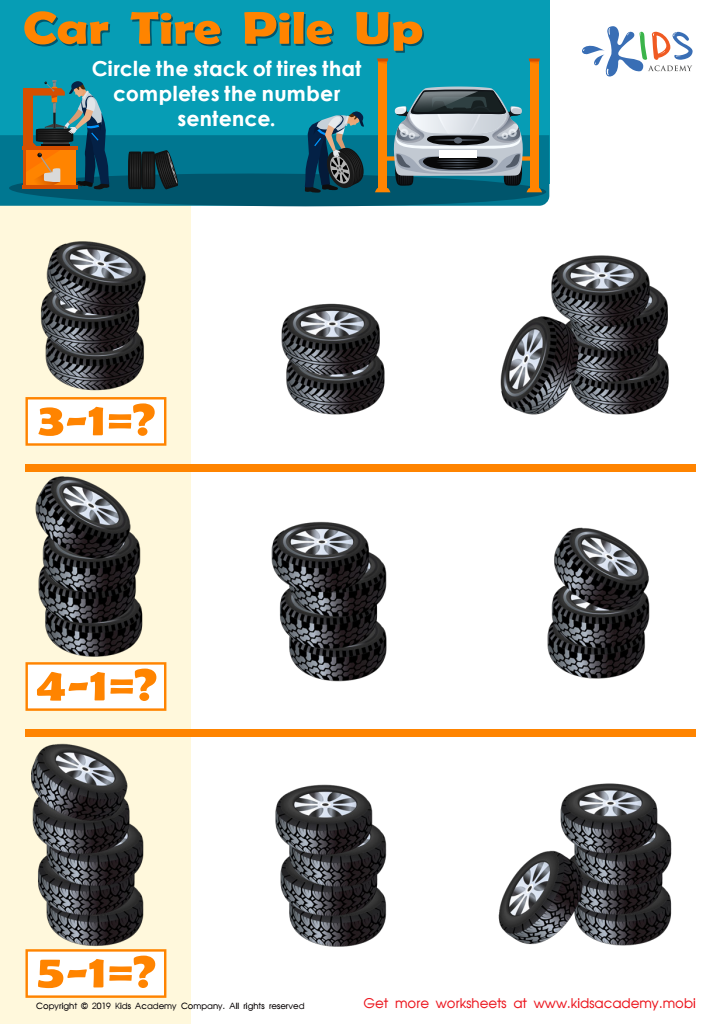
Car Tire Pile Up Worksheet
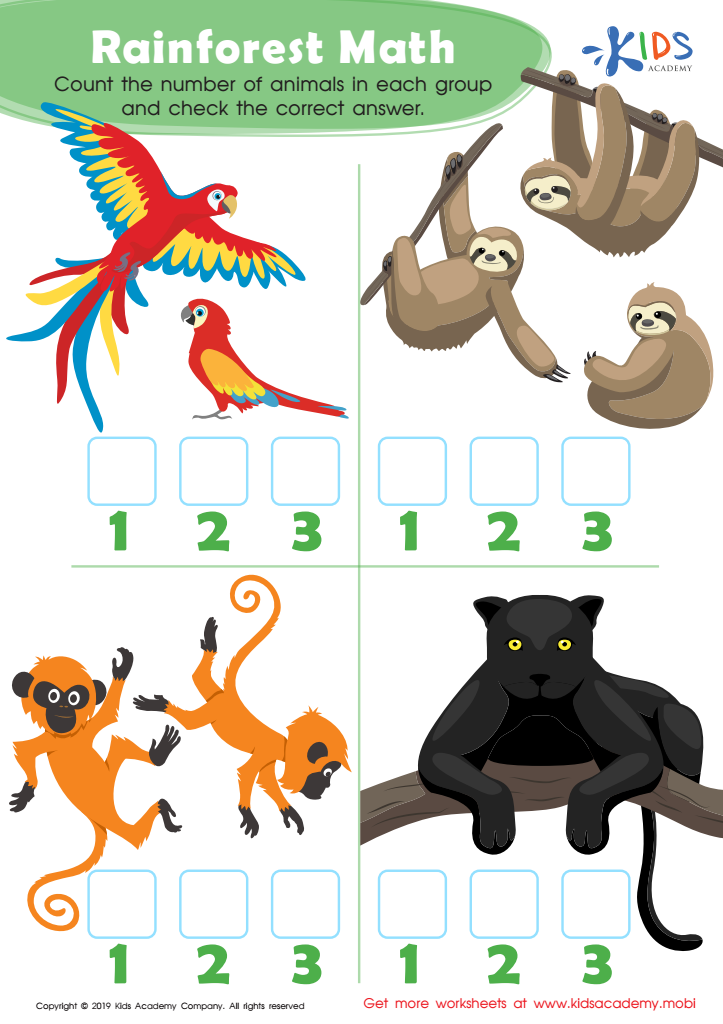
Rainforest Math Worksheet
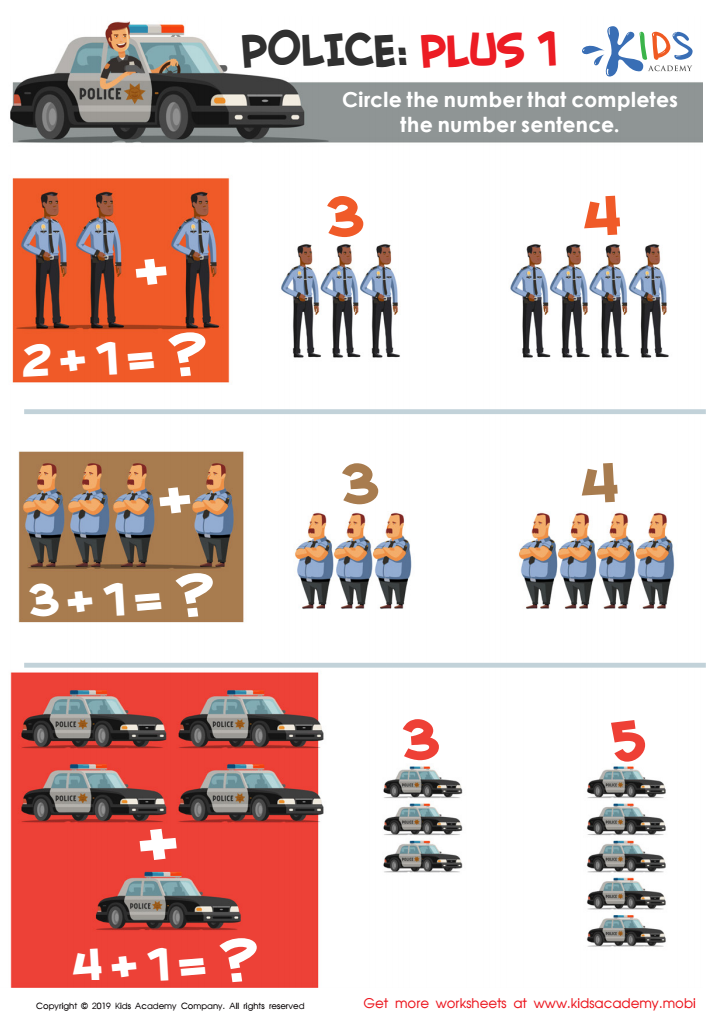
Police: Plus 1 Worksheet
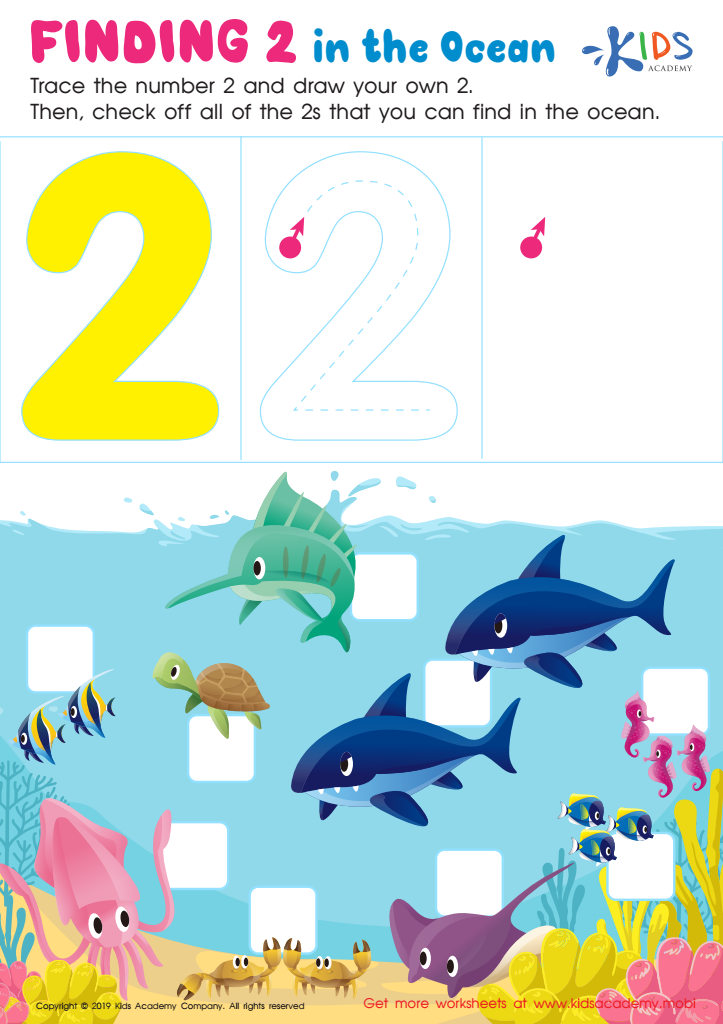
Finding 2: In the Ocean Worksheet
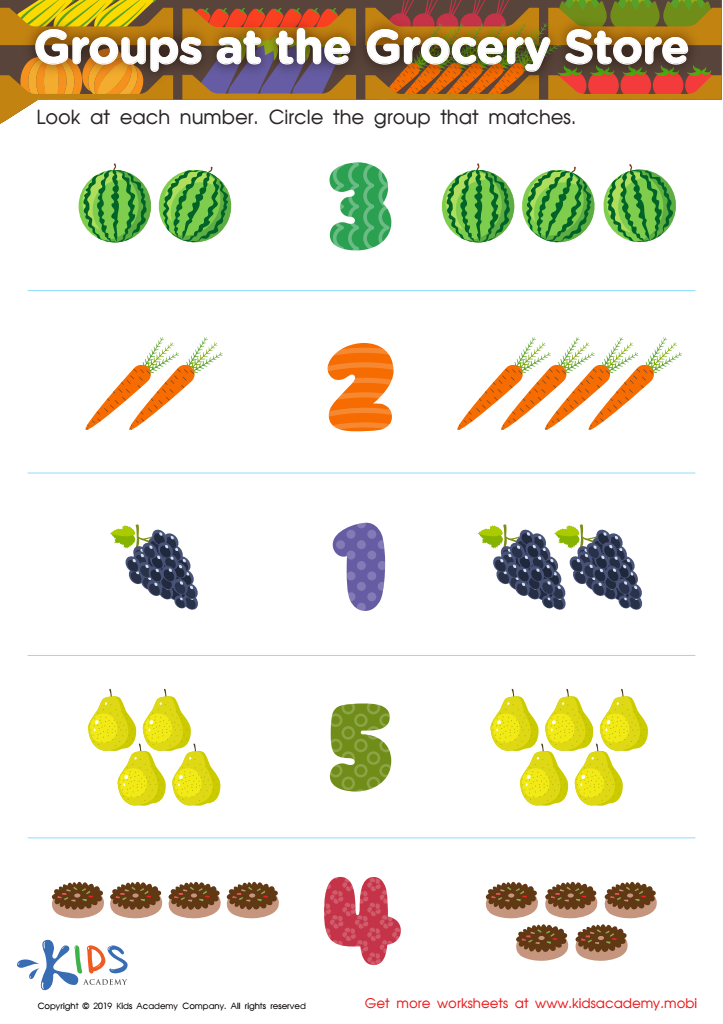
Groups at the Grocery Store Worksheet






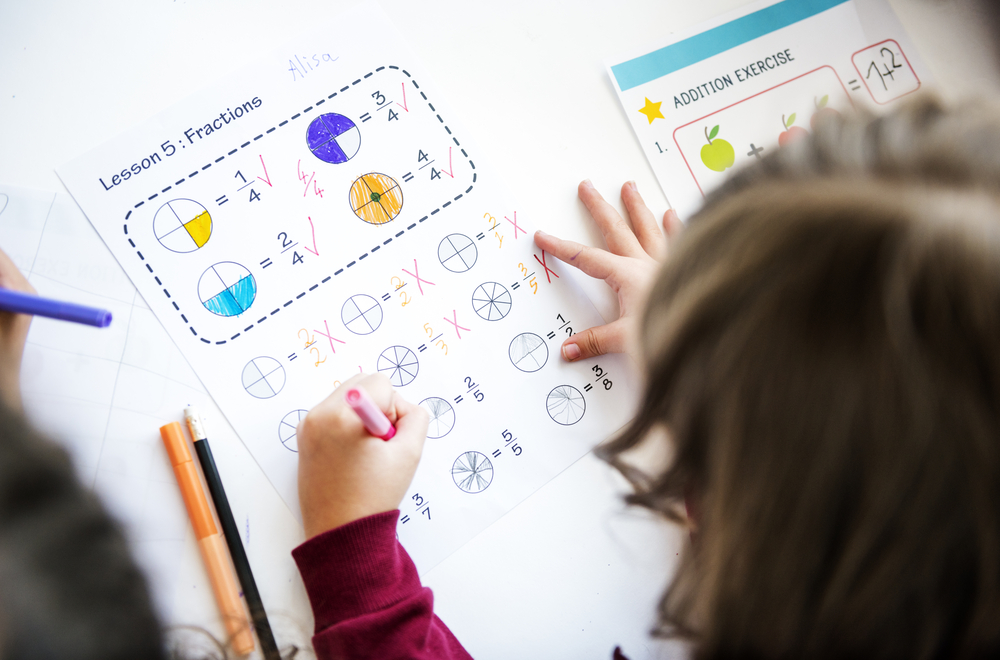

Parents and teachers should prioritize improving counting skills through easy math for children aged 6-9 due to the critical role these skills play in foundational learning and future academic success. At this developmental stage, children are naturally curious and receptive to new information, making it an ideal time to introduce foundational math concepts. Counting is one of the first steps in developing numerical literacy, serving as the building block for more complex mathematical operations, such as addition, subtraction, multiplication, and division.
Beyond academic benefits, strong counting skills also enhance problem-solving abilities and logical thinking. These cognitive skills are essential not only for math but also for navigating everyday tasks and maturing into confident decision-makers. Furthermore, early competence in counting fosters a positive attitude towards math, reducing anxiety and instilling a sense of accomplishment. This, in turn, leads to greater engagement and willingness to tackle challenging subjects in the future.
Additionally, aligning with the current educational standards that aim for early proficiency in numeracy, focusing on improving counting skills ensures that children are meeting developmental milestones. Therefore, by investing in easy, enjoyable math activities, parents and teachers lay down a strong foundation for lifelong learning and critical thinking in children, setting them up for ongoing academic and personal success.








