Vocabulary development Easy Science Worksheets for Ages 6-9
3 filtered results
-
From - To
Enhance your child's vocabulary with our engaging Easy Science Worksheets designed for ages 6-9! These worksheets offer a fun and interactive way to build essential language skills through science-themed activities. Kids will explore new words related to the natural world, fostering both vocabulary development and scientific curiosity. Each worksheet aligns with educational standards, making it easy for parents and teachers to incorporate into lessons. With vibrant illustrations and clear instructions, your child will enjoy learning while improving their communication skills. Browse our collection today and help your child become confident in their vocabulary and science knowledge!
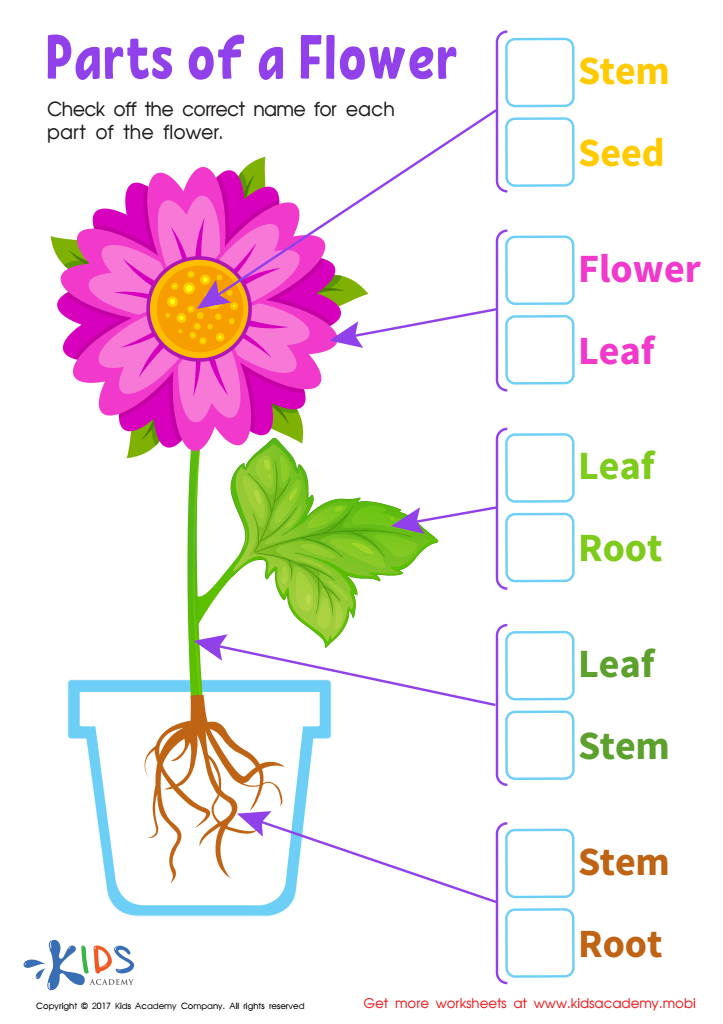
Parts Flower Printable
 Assign to My Students
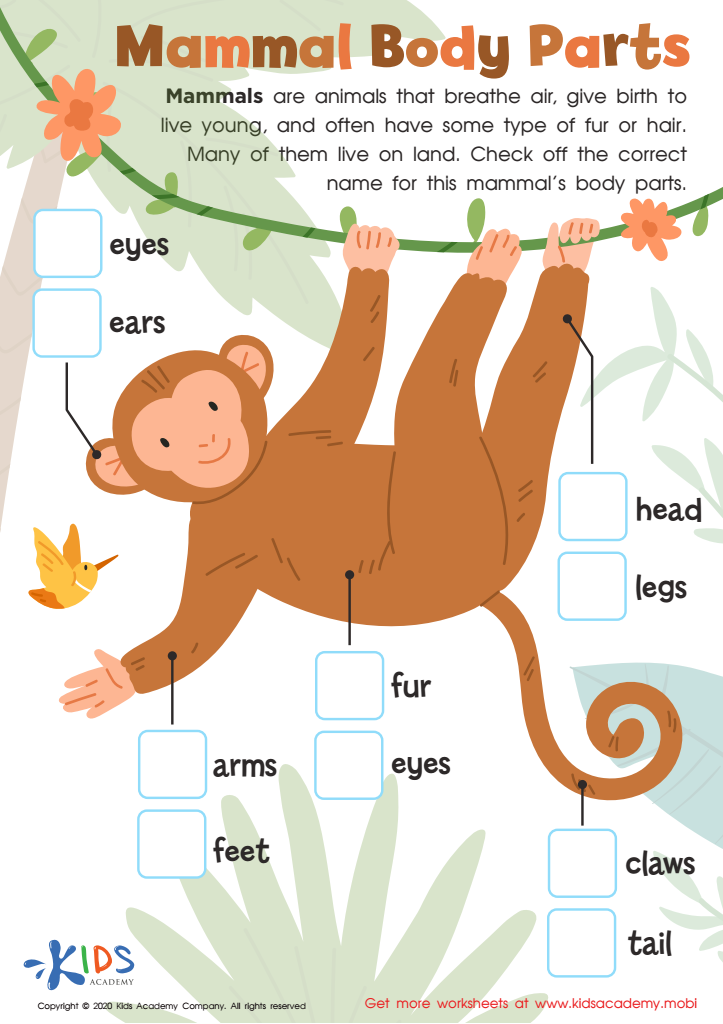
Mammal Body Parts Worksheet
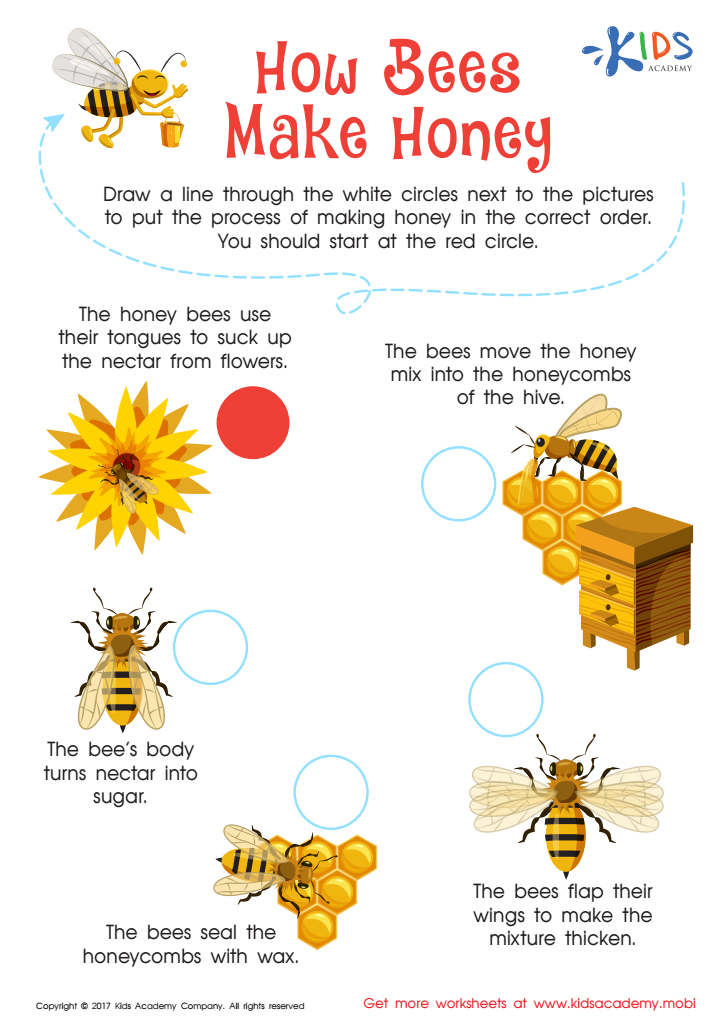
Honey Bee Worksheet








Vocabulary development is crucial for children aged 6-9 as it significantly influences their reading comprehension, communication skills, and overall academic success. At this stage, children are building a foundation for literacy that will impact their future learning. A rich vocabulary allows them to understand and engage with texts more fully, enhancing their ability to connect and analyze information. In subjects like science, where specific terminology is often necessary, a strong vocabulary helps children grasp complex concepts and express their ideas clearly.
Moreover, vocabulary development fosters critical thinking. When children have access to a wider range of words, they can better articulate their thoughts, ask questions, and discuss their findings. This not only boosts their confidence but also encourages a love for learning and exploration.
Parents and teachers should actively engage in vocabulary enhancement through interactive activities, such as reading together, playing word games, or discussing new words encountered in daily life. By prioritizing vocabulary development, they can help cultivate not only effective communicators but also enthusiastic learners ready to tackle more advanced subjects. Ultimately, investing in vocabulary today paves the way for a more successful educational journey tomorrow.