Cognitive Development Easy Social Studies Worksheets for Ages 6-9
4 filtered results
-
From - To
Enhance your child's cognitive growth with our engaging Social Studies worksheets designed for ages 6-9. Our expertly crafted exercises foster critical thinking, problem-solving, and comprehension. Each worksheet combines fun and education, covering essential topics such as community roles, historical events, and geography basics. Ideal for both classroom and home use, these easy-to-follow activities support children in developing a deeper understanding of their world, all while strengthening cognitive skills. Help your young learner gain confidence and excel in social studies with our innovative and effective worksheets. Discover endless learning possibilities with Kids Academy!
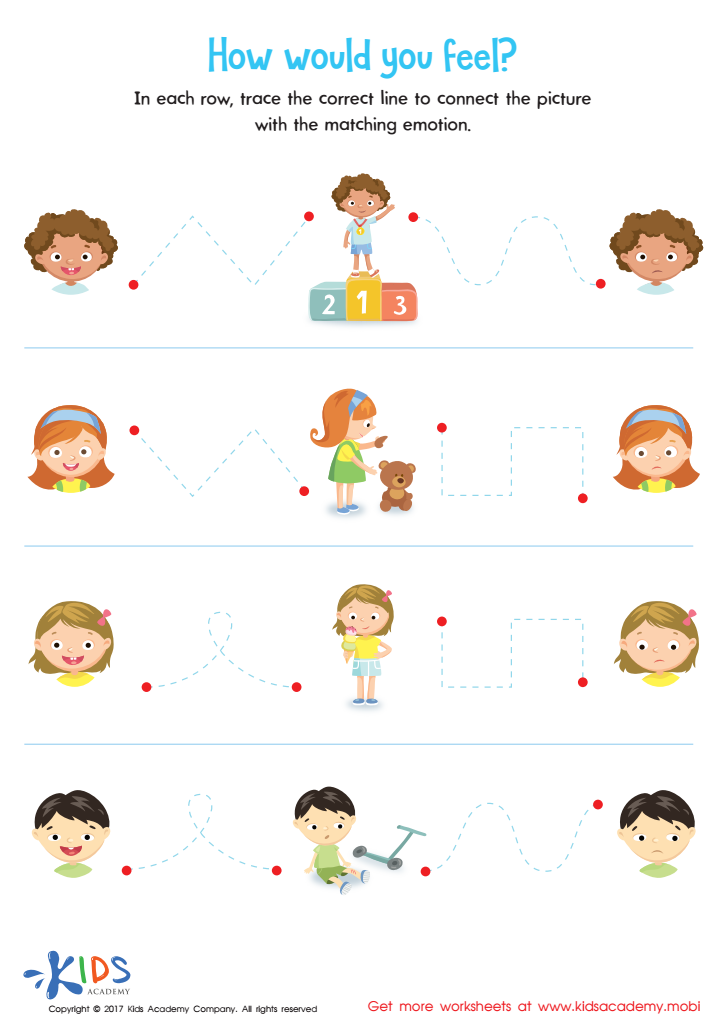
Feelings and Emotions Worksheet
 Assign to My Students
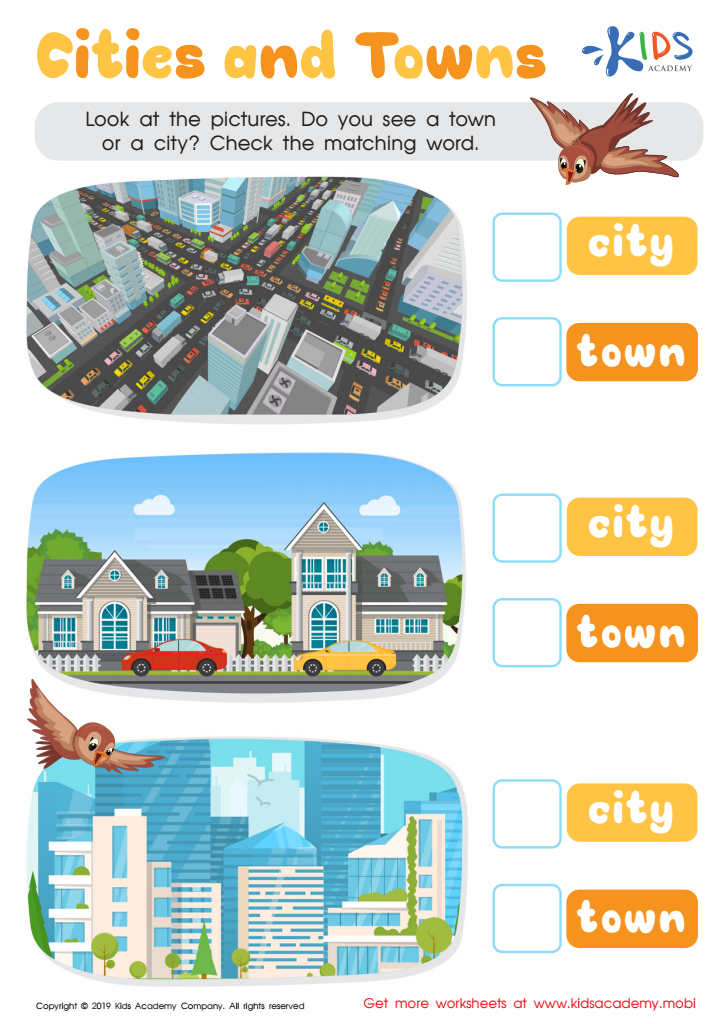
Cities and Towns Worksheet

French Vocabulary Maze Worksheet
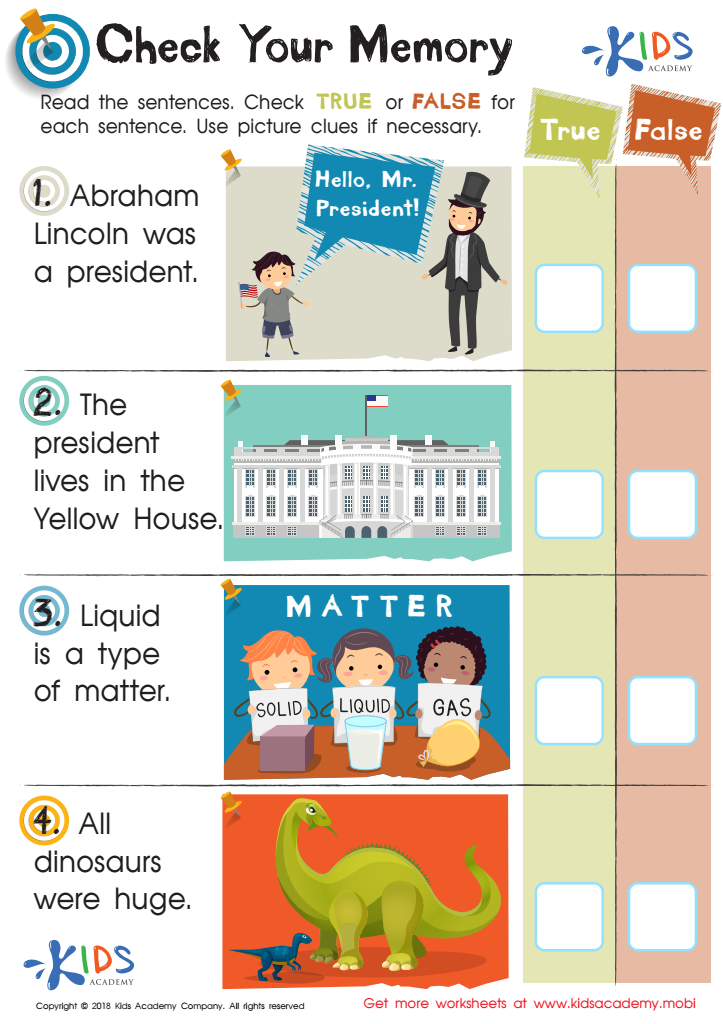
Check Memory Worksheet








Parents and teachers should care about cognitive development in easy social studies for ages 6-9 because this foundational stage greatly impacts a child's understanding of the world. During these crucial years, children's brains are highly receptive to new information and experiences. Social studies help build essential cognitive skills such as critical thinking, problem-solving, and understanding cause-and-effect relationships. By engaging with social studies content, kids also develop a sense of history and geography, and learn about different cultures and communities, which broadens their perspectives and fosters empathy.
Introducing social studies at an early age encourages curiosity and a love of learning, which are vital for academic success. It also helps young learners understand how people around the world live, work, and coexist, nurturing a sense of global citizenship. Moreover, cognitive development through social studies promotes literacy skills by introducing new vocabulary and contexts. Interactive activities like map reading, exploring historical events, and understanding community roles make learning relevant and engaging.
Ultimately, early exposure to social studies supports mental development, enhances a children’s social understanding, and lays down a constructive pathway for lifelong learning. Providing these experiences prepares children not just academically but also socially and emotionally for more complex future studies and real-world challenges.