Reading Skills Easy Phonics Worksheets for 6-Year-Olds
3 filtered results
-
From - To
Boost your child's reading skills with our Easy Phonics Worksheets designed specifically for 6-year-olds! Our fun and engaging worksheets feature colorful illustrations and age-appropriate activities that foster phonetic awareness, helping young learners connect sounds to letters. With a variety of exercises, including matching, tracing, and filling in the blanks, children will develop essential reading skills at their own pace. These worksheets are perfect for both classroom and home use, making learning enjoyable and interactive. Help your little ones build a strong foundation in reading with our easy-to-use resources. Explore our collection today and watch their confidence soar!
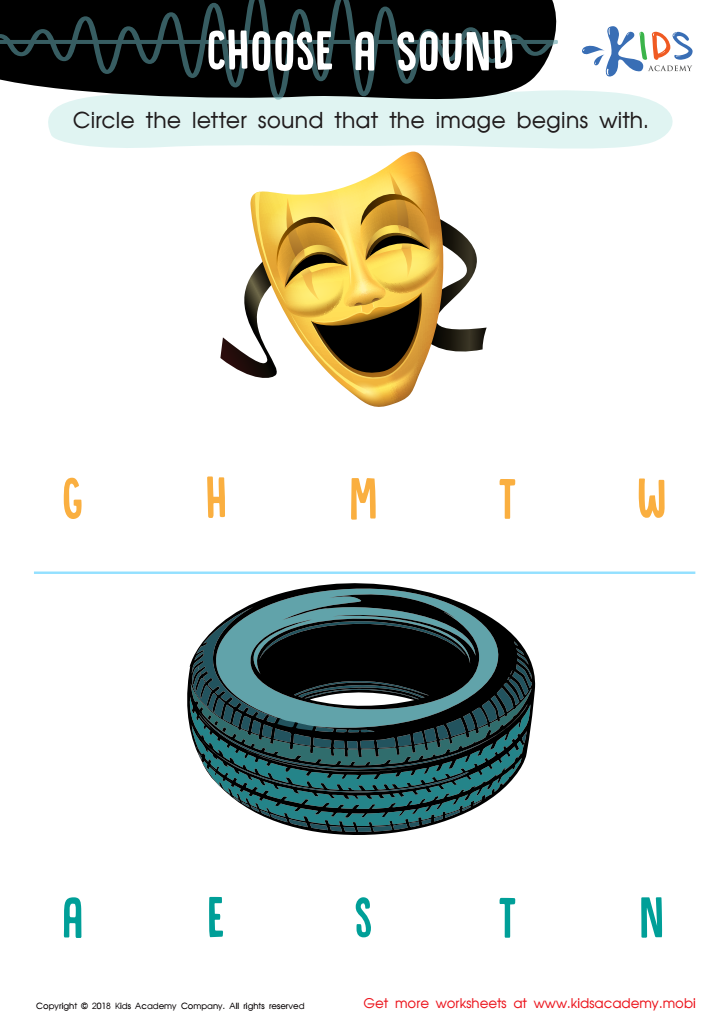
Choose a Sound Worksheet
 Assign to My Students
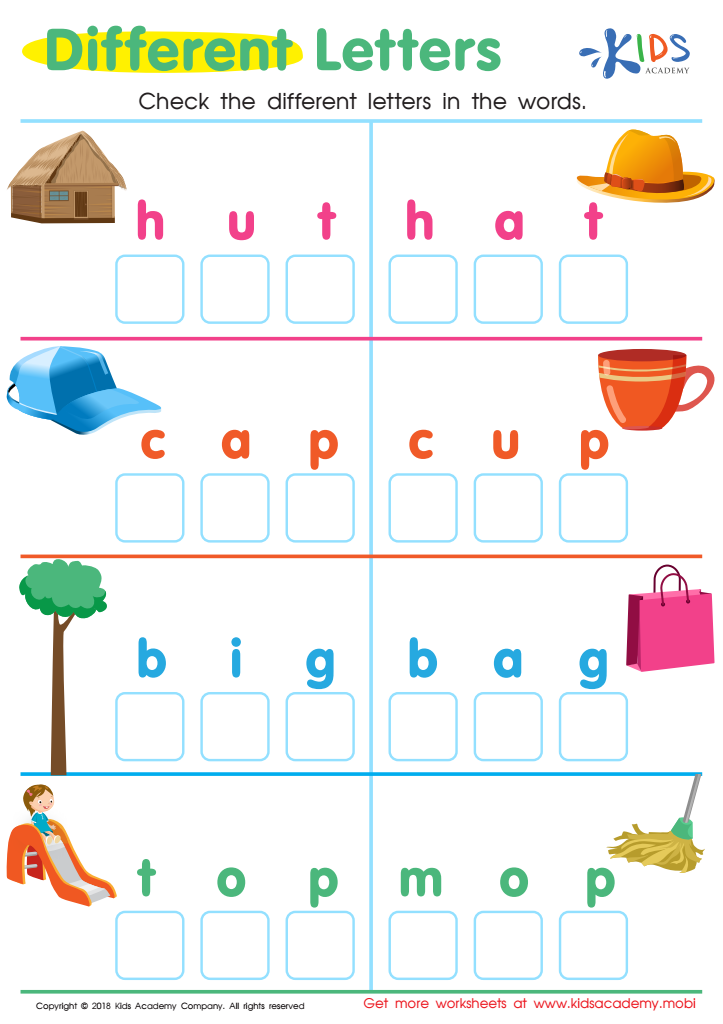
Different Letters Reading Worksheet
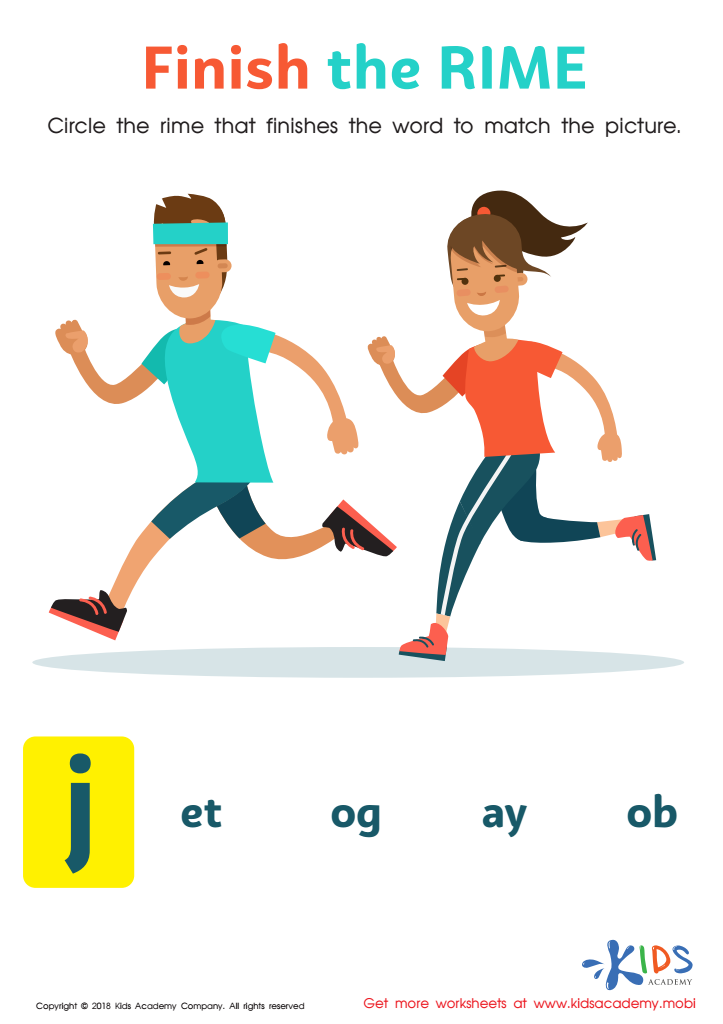
Finish the Rime Worksheet








Parents and teachers should prioritize Reading Skills Easy Phonics for 6-year-olds because foundational literacy skills significantly influence a child's overall academic success. Phonics is a method that teaches children the relationship between letters and sounds, which is crucial for decoding words. At this age, children are natural learners who benefit immensely from interactive and engaging activities that build their phonetic awareness.
By mastering phonics, children develop the ability to read independently, fostering confidence and curiosity about the world around them. Early reading proficiency is linked to better performance in mathematics and other subjects, as literacy is essential for comprehension and communication.
Moreover, investing time in phonics helps prevent reading difficulties later on. Early intervention can identify and address challenges, setting a positive trajectory for future learning. Furthermore, phonics instruction is adaptable, catering to diverse learning styles, and can be made fun through songs, games, and storytelling, promoting a love for reading.
When parents and teachers collaboratively support phonics learning, they cultivate a rich literacy environment that encourages exploration and creativity. Ultimately, focusing on phonics at this formative age lays the groundwork for lifelong reading and learning skills, positioning children for future academic and personal success.