Number Recognition Easy Numbers 11–20 Worksheets for 6-Year-Olds
6 filtered results
-
From - To
Unlock the world of numbers with our engaging "Number Recognition Easy Numbers 11–20 Worksheets" designed specifically for 6-year-olds! These worksheets offer young learners fun activities that enhance their number recognition skills, helping them confidently identify and work with numbers ranging from 11 to 20. Filled with colorful illustrations and age-appropriate exercises, our resources make learning math enjoyable and effective. Each worksheet focuses on building foundational skills essential for future mathematical success. Perfect for classroom or home use, these worksheets provide an easy and interactive way for children to grasp key concepts while fostering a love for learning. Download now and start exploring!
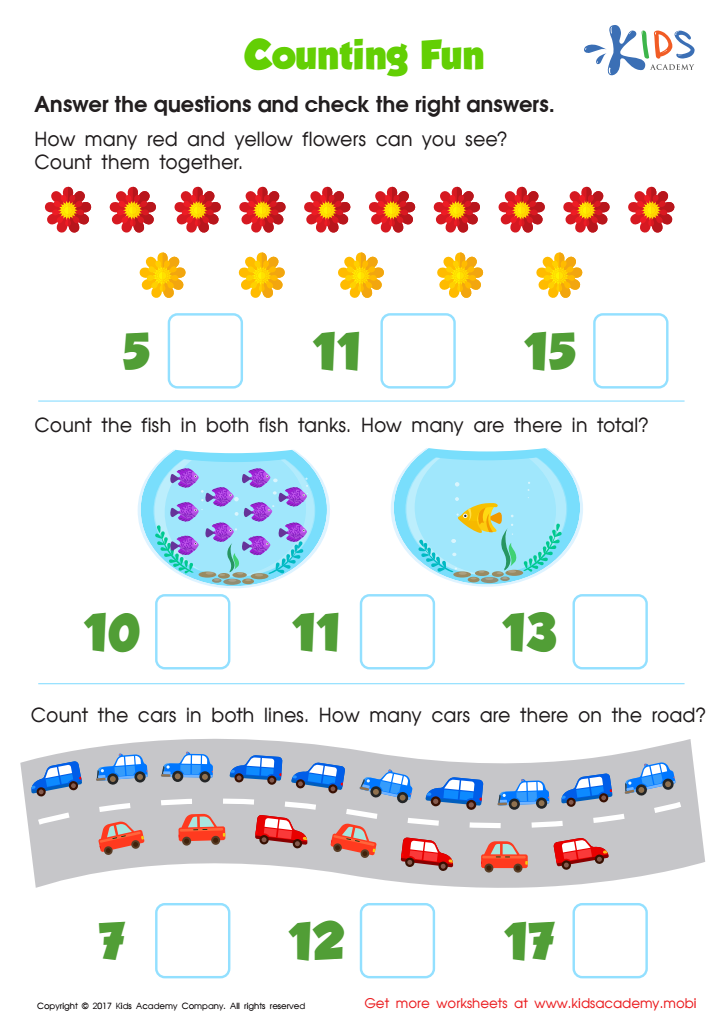
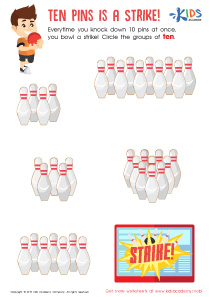
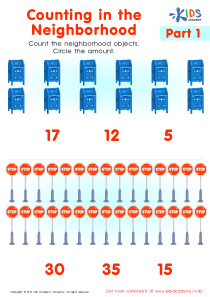
Counting Fun Worksheet
 Assign to My Students
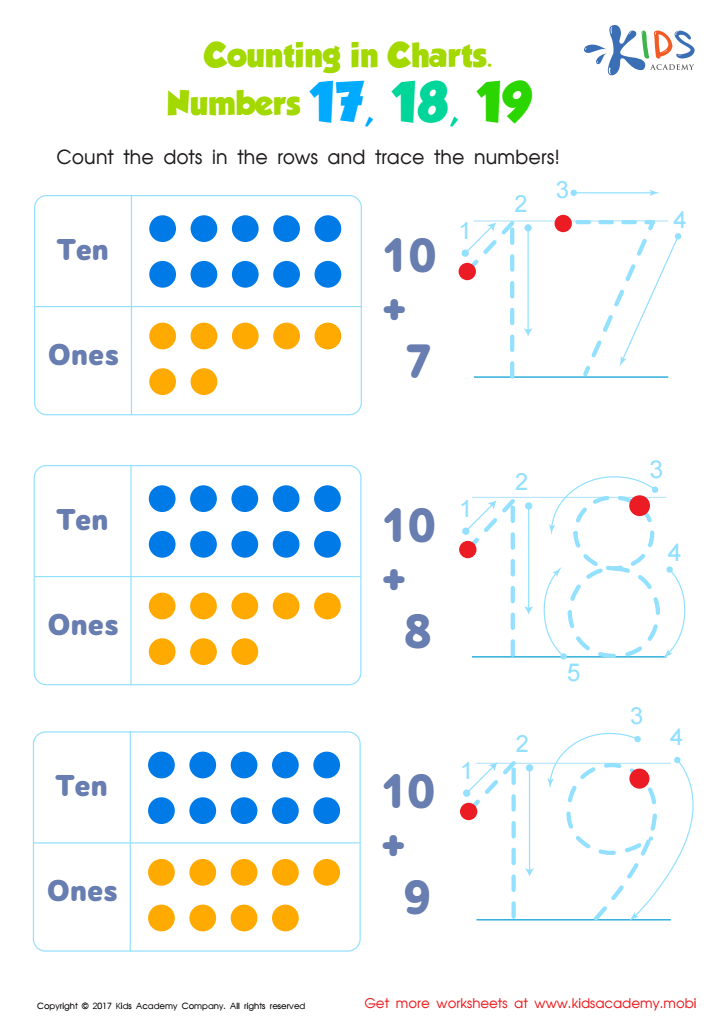
Kindergarten Number Tracing: Counting in Charts Worksheet
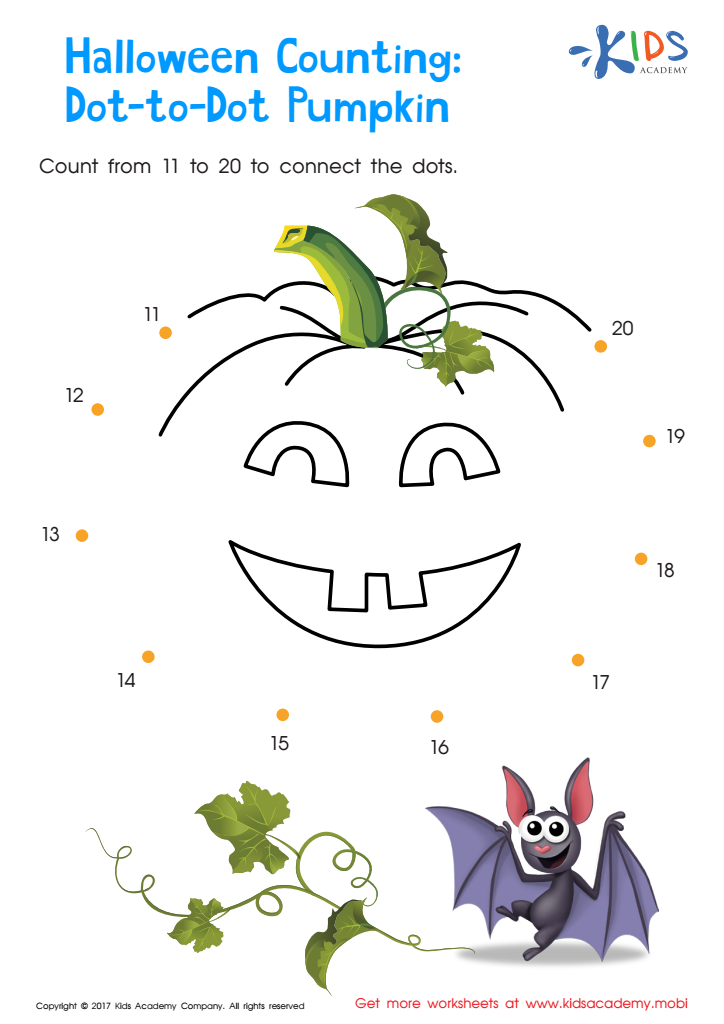
Ordering 11–20: Halloween Counting Worksheet
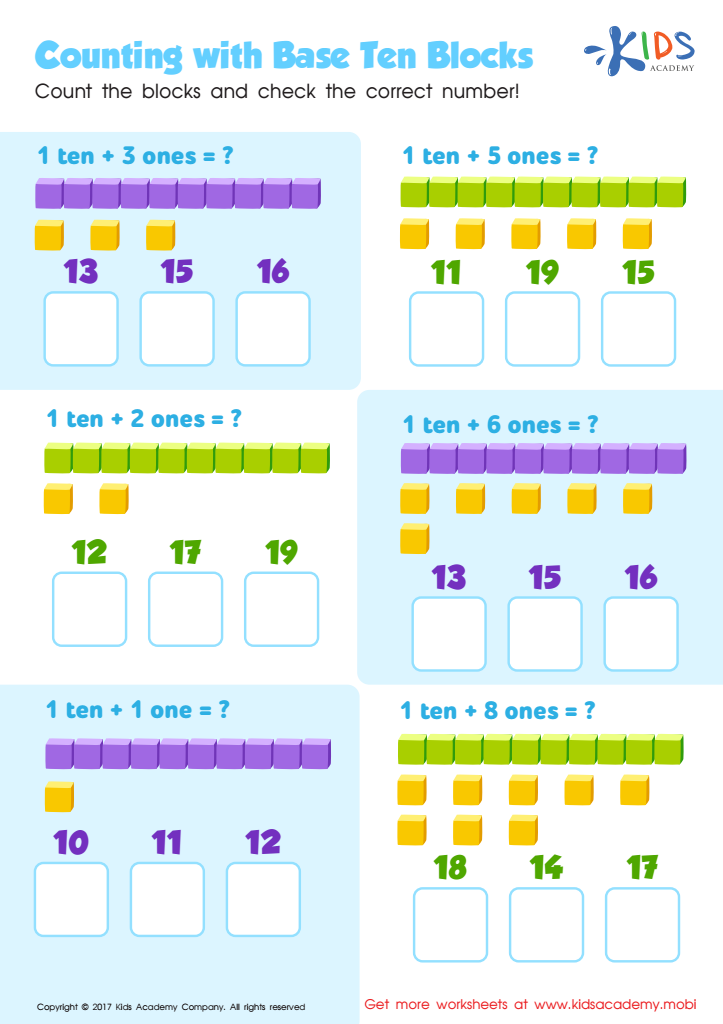
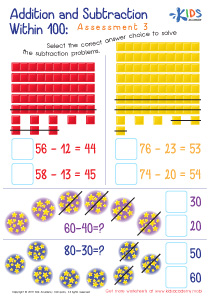
Counting with Base Ten Blocks Worksheet
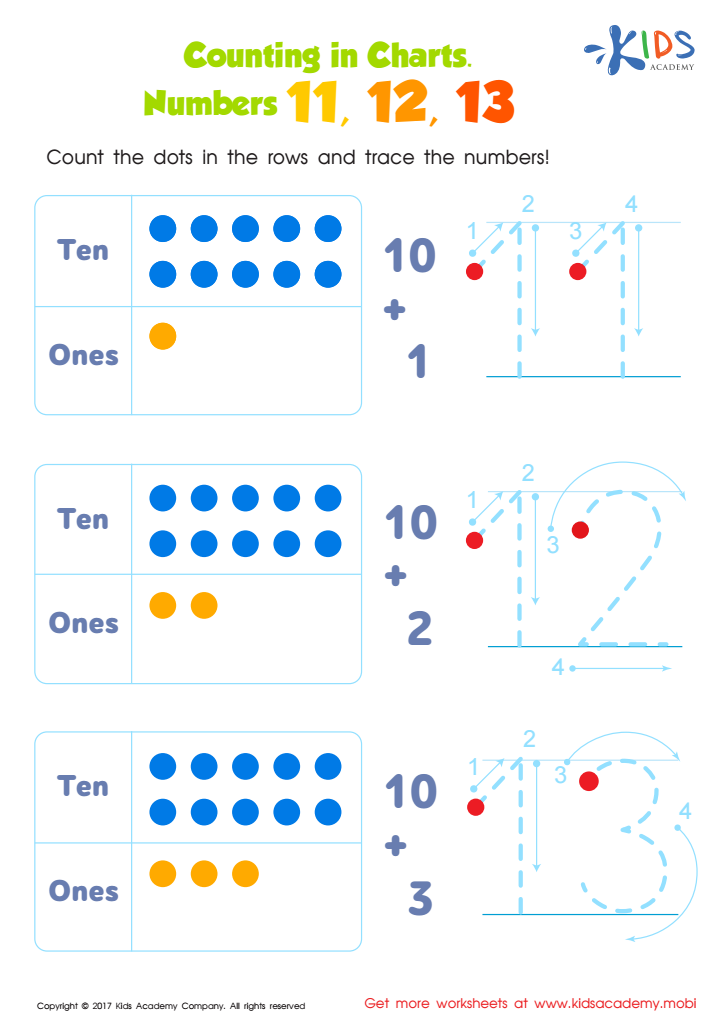
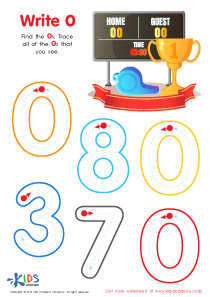
Number Tracing Worksheet For Kindergarten
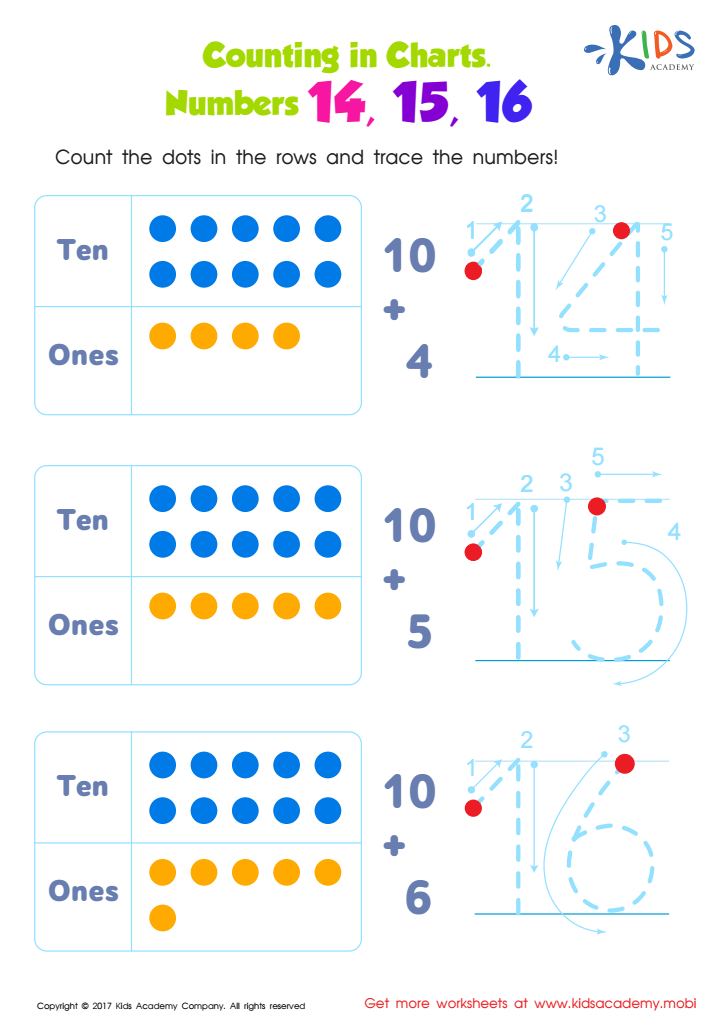
Number Tracing Worksheet



Number recognition for numbers 11–20 is a crucial skill for six-year-olds, laying the foundation for their future mathematical understanding. At this age, children are transitioning from learning to count to recognizing and understanding the value of numbers beyond 10. Mastery of these numbers enhances their ability to engage with basic arithmetic operations, such as addition and subtraction, which are essential for more advanced math concepts later.
Moreover, number recognition in this range helps children develop a sense of number patterns and relationships, which is vital for problem-solving. When parents and teachers emphasize these numbers, they foster children’s confidence and encourage a positive attitude towards math. This support can transform mathematical learning from a daunting task to an enjoyable and engaging experience.
Additionally, capable number recognition assists in developing other critical skills like sequencing and sorting, essential for their overall cognitive development. It also prepares them for everyday situations that require basic numerical understanding, such as handling money or understanding time.
By focusing on number recognition of 11–20, parents and teachers help instill a strong numerical foundation, ensuring that children are well-prepared for future academic success and practical life skills. This investment in their learning journey opens up numerous pathways for academic achievement.