Fine Motor Skills Easy Alphabet Worksheets for Ages 7-8
6 filtered results
Difficulty Level
Grade
Age
-
From - To
Subject
Activity
Standards
Enhance your child's fine motor skills with our engaging "Easy Alphabet Worksheets" designed specifically for ages 7-8. These printable worksheets incorporate fun, interactive activities that promote hand-eye coordination and dexterity while reinforcing letter recognition and phonics. Each worksheet provides a hands-on approach to learning, allowing students to strengthen their grip and control through tracing, coloring, and crafting letters. Perfect for classroom or at-home learning, these easy-to-use resources are tailored to make the practice enjoyable and effective. Encourage your child's development while they explore the world of letters in a creative and fun way!
Favorites
With answer key
Interactive
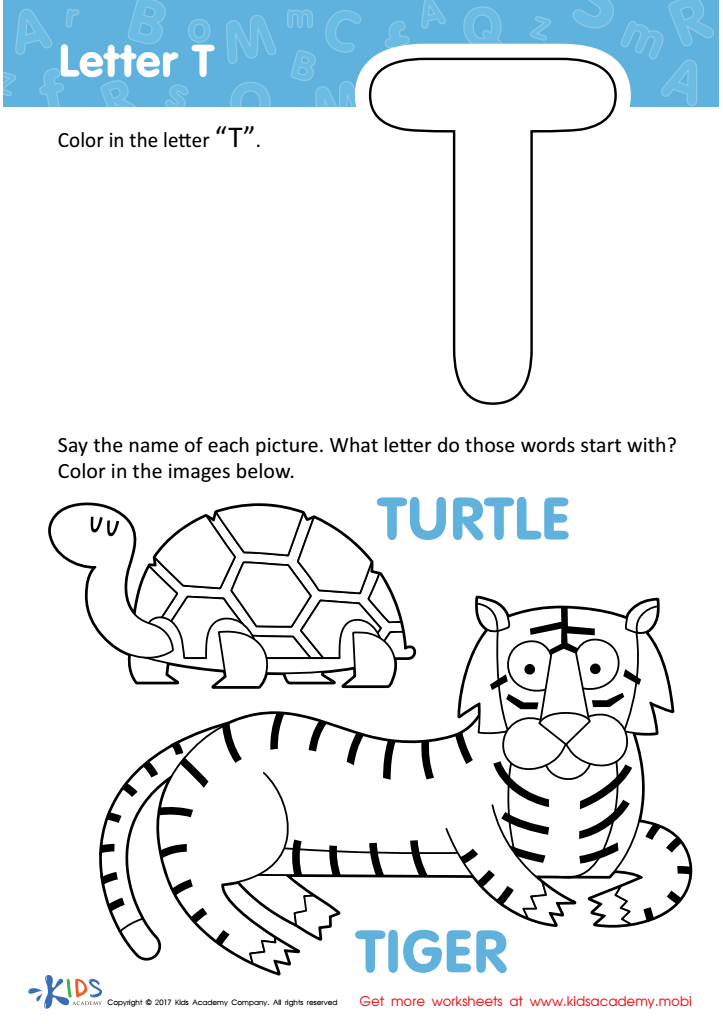
Letter T Coloring Sheet
Introduce your child to the letter "T" and its animals – turtles and tigers! With this coloring page, you can stimulate your child's imagination and creativity, while helping them recognize the letter "T". Have fun with your child and get coloring!
Download (PDF)
 Assign to My Students
Assign to My Students
Letter T Coloring Sheet
Worksheet
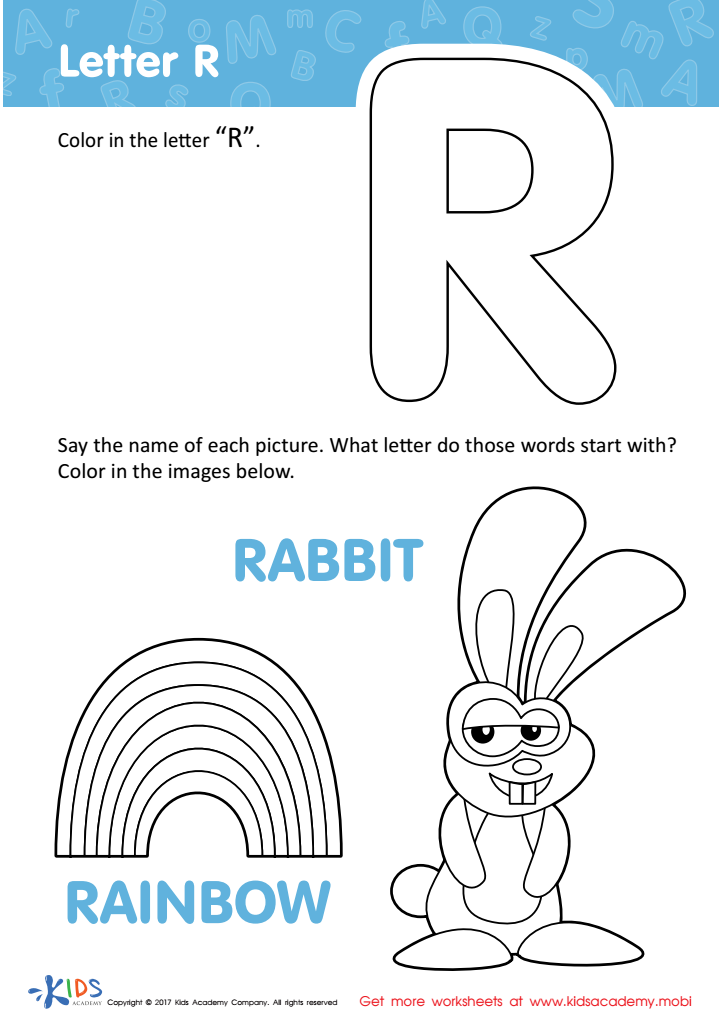
Letter R Coloring Sheet
Let your child explore the rainbow with this fun letter "R" coloring page! They can learn to recognize the letter and make connections to words, all while having fun! Make alphabet learning enjoyable with joyful coloring pages.
Download (PDF)
Assign to My Students
Assign to My Students
Letter R Coloring Sheet
Worksheet
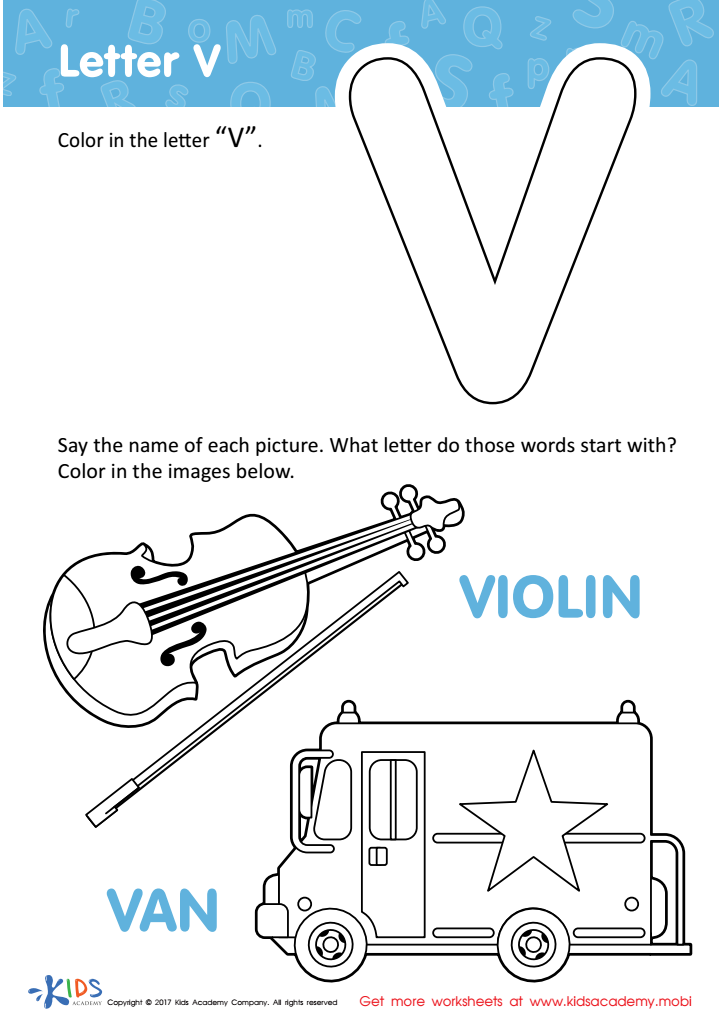
Letter V Coloring Sheet
This fun letter V coloring page can boost your child's knowledge of the letter "V" and its sound. Help them pronounce it correctly, too!
Download (PDF)
Assign to My Students
Assign to My Students
Letter V Coloring Sheet
Worksheet
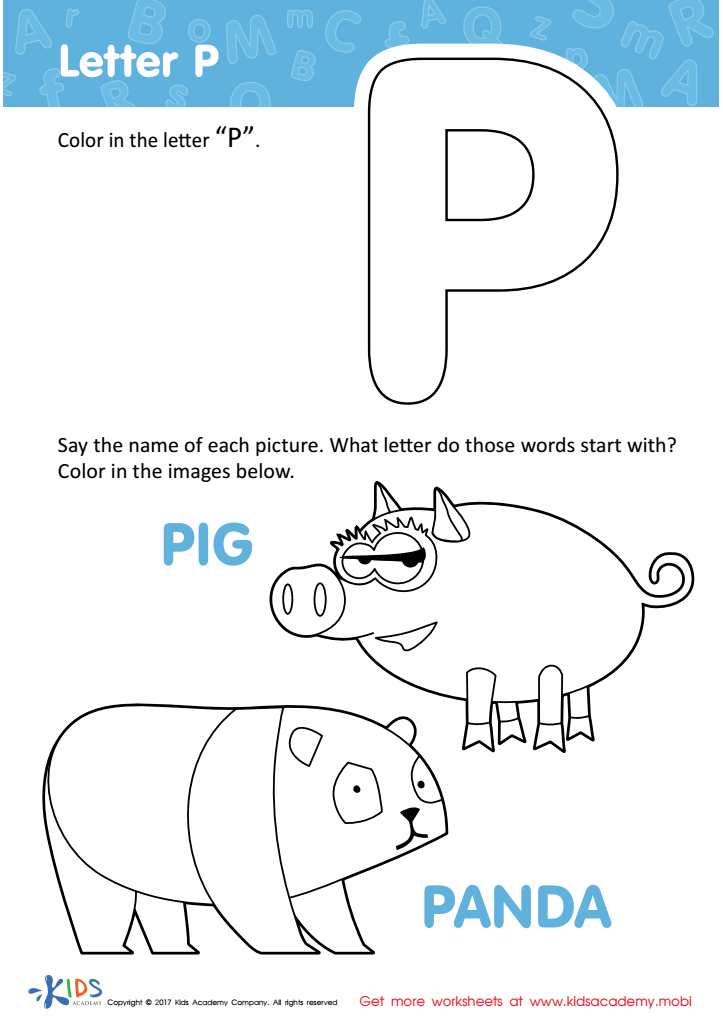
Letter P Coloring Sheet
Encourage your child's creativity and letter recognition with this "P" coloring page! Through coloring animals such as pigs and pandas, your little one will get to know the sound of the letter "P" and have fun too!
Download (PDF)
Assign to My Students
Assign to My Students
Letter P Coloring Sheet
Worksheet
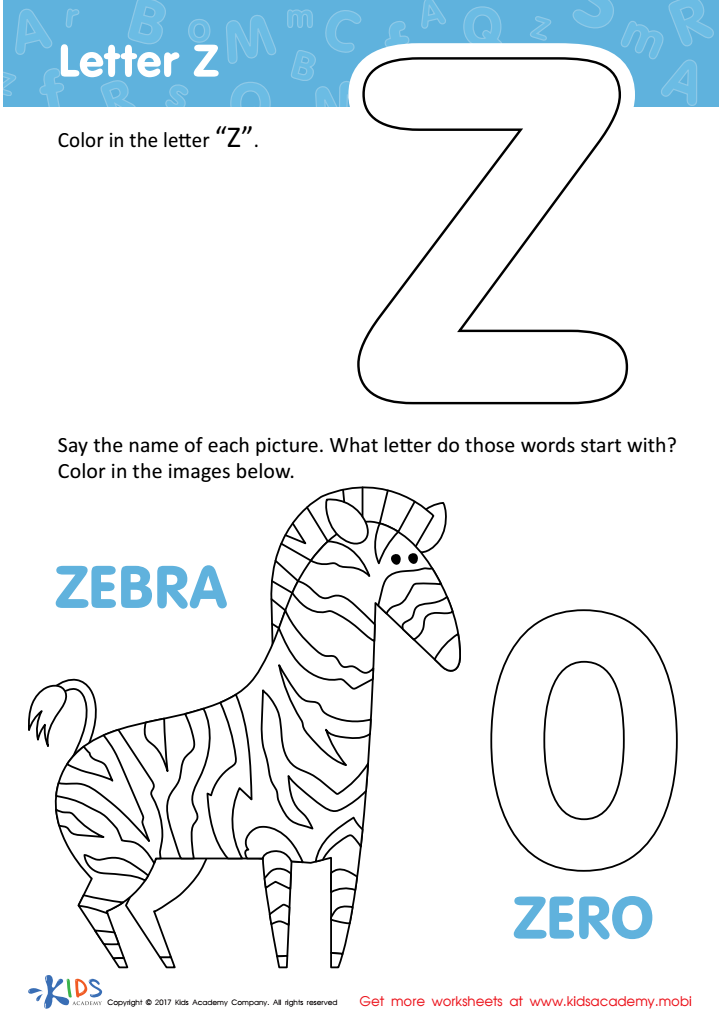
Letter Z Coloring Sheet
This coloring page featuring the letter "Z" is perfect for your child to practice letter recognition! Help them learn the unique sound it makes as they color. It'll be a fun and easy activity they won't have trouble with!
Download (PDF)
Assign to My Students
Assign to My Students
Letter Z Coloring Sheet
Worksheet
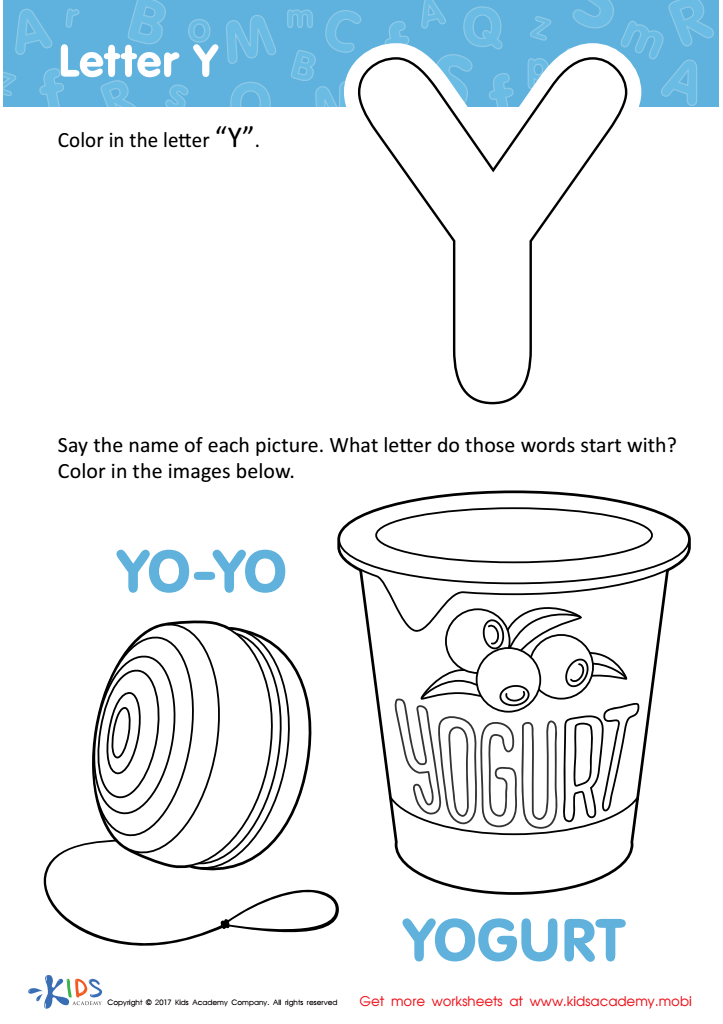
Letter Y Coloring Sheet
Let's celebrate letter "Y"! Here's a fun coloring page that'll help your child learn this end-of-the alphabet letter. It's packed with familiar objects that'll help build their art and literacy skills. So let's say "Yay"!
Download (PDF)
Assign to My Students
Assign to My Students
Letter Y Coloring Sheet
Worksheet
Join Kids Academy for Free
Who is primarily going to use this learning content?





Fine motor skills are essential for children's overall development, particularly in the early grades, where accuracy and coordination are critical. For children aged 7-8, mastering fine motor skills can significantly enhance their ability to write, draw, and engage in other academic activities. Teaching fine motor skills through engaging activities like "Easy Alphabet" gives students the opportunity to practice letter formation, which can improve their handwriting and boost their confidence.
Parents and teachers should care about these skills because proficient fine motor abilities serve as a foundation for future learning. Good hand-eye coordination and dexterity also facilitate activities like using scissors, manipulating small objects, and performing tasks requiring precision, such as math calculations. Furthermore, these skills influence a child's social interactions; strong fine motor skills enable children to participate actively in group crafts, enhancing teamwork and communication abilities.
Promoting activities like "Easy Alphabet" allows caregivers to create a fun learning environment, fostering a sense of achievement in children. It not only contributes to academic success but also prepares them for various life skills, ensuring they can navigate a world increasingly reliant on technology and manual skills. Prioritizing fine motor skill development is truly an investment in a child's future.