History knowledge Easy 4th of July Worksheets for Ages 7-8
3 filtered results
Difficulty Level
Grade
Age
-
From - To
Subject
Activity
Standards
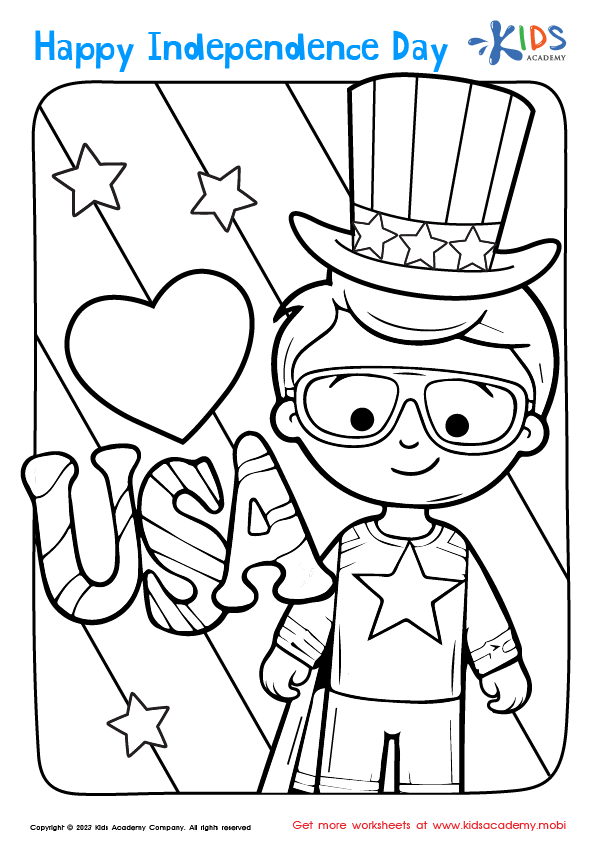
Explore our "History Knowledge Easy 4th of July Worksheets for Ages 7-8" and ignite your child's curiosity about American Independence Day. Our engaging worksheets are perfect for young learners, featuring simple and fun-filled activities that illustrate the significance of the 4th of July. Designed by experienced educators, these resources enhance historical knowledge while sharpening reading and comprehension skills. Vibrant coloring pages and captivating puzzles make learning enjoyable and memorable. Ideal for parents and teachers aiming to provide an educational yet entertaining experience. Spark a love for history and celebrate Independence Day with these delightful worksheets!
Favorites
With answer key
Interactive
Join Kids Academy for Free
Who is primarily going to use this learning content?



Understanding history, especially events like the 4th of July, is important for kids aged 7-8 to grasp because it lays the foundation for a sense of identity and pride. As parents or teachers, sharing the story of America's Independence Day helps children understand why we celebrate and what values are important.
The 4th of July commemorates the signing of the Declaration of Independence in 1776, a document that proclaimed the American colonies' freedom from British rule. Knowing this helps children appreciate concepts like freedom, courage, and democracy. When children learn about history, they become more connected to their heritage and aware of how past events shape the present.
Teaching history at this age can be fun and engaging through stories, crafts, and activities. For example, making flags, singing patriotic songs, or even a simple play re-enacting the events can make the learning process pleasurable. Furthermore, understanding historical events promotes critical thinking and helps kids draw comparisons between past and current world events.
So, fostering an early appreciation of history not only builds knowledgeable adults but also instills a deeper understanding and respect for values and traditions essential to their community. That’s why parents and teachers should prioritize imparting history knowledge, even to the youngest learners.