Color recognition Easy English for Beginners Worksheets for Ages 7-8
9 filtered results
-
From - To
Boost your child's color recognition skills with our "Color Recognition Easy English for Beginners Worksheets" designed for ages 7-8! These engaging and educational worksheets help young learners master color names and vocabulary while making learning fun. They'll enjoy vibrant pictures and interactive activities tailored to enhance their understanding of colors in English. Perfect for ESL students, these worksheets foster both language and cognitive skills development. With a variety of exercises, kids will build confidence in identifying and using colors in everyday conversations. Visit our site to download these essential educational resources and watch your child's language skills flourish!
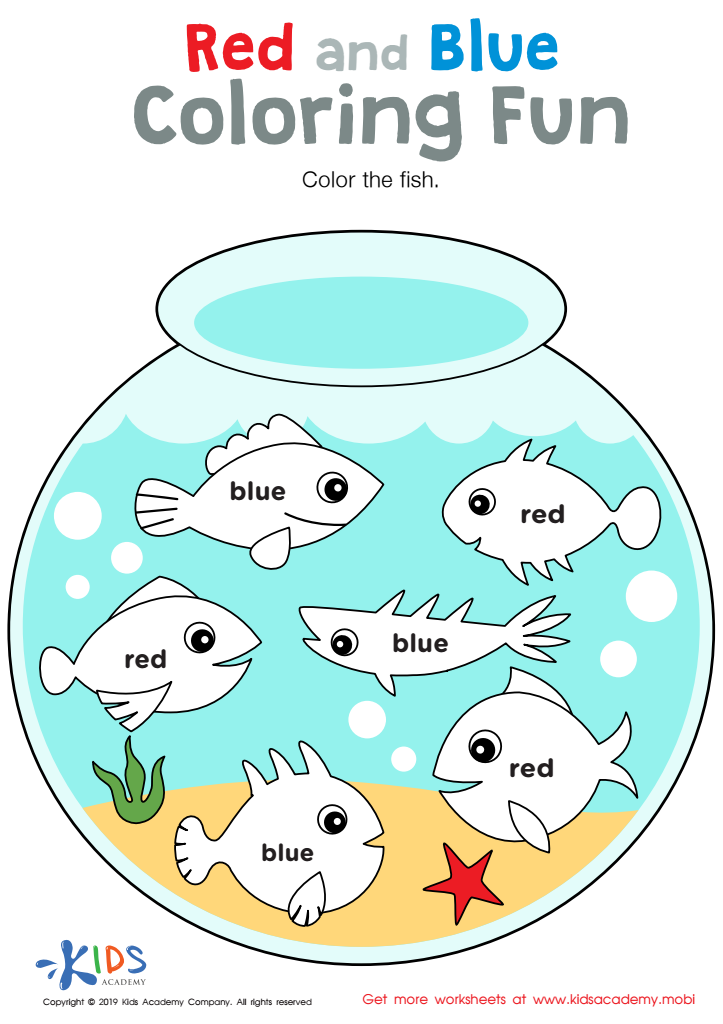
Red and Blue Coloring Fun Worksheet
 Assign to My Students
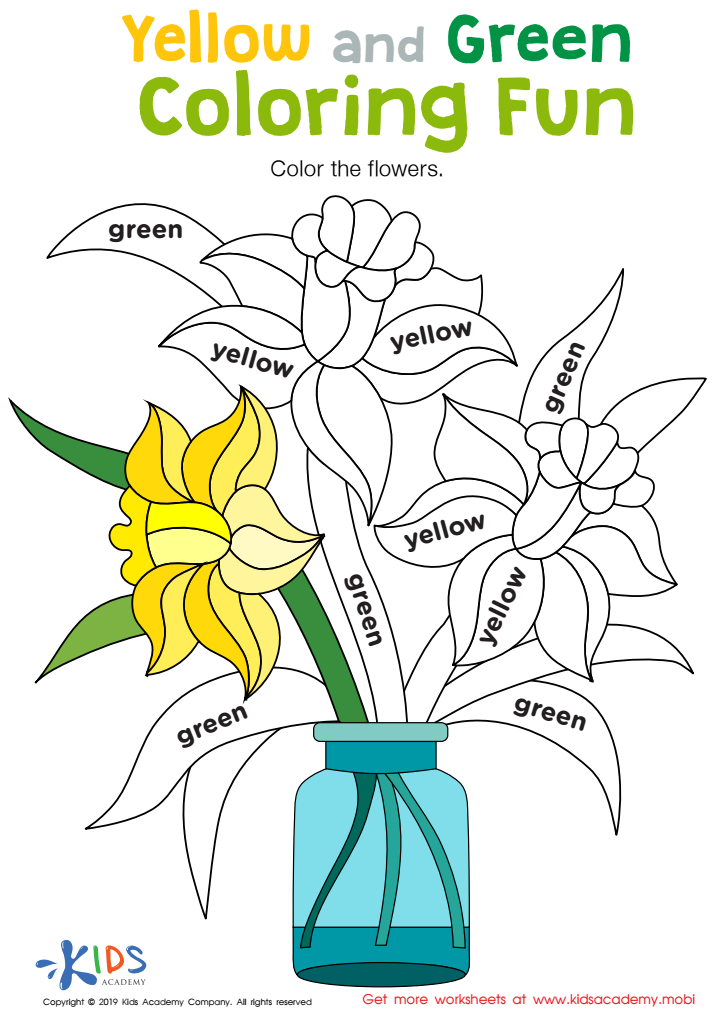
Yellow and Green Coloring Fun Worksheet
Assign to My Students
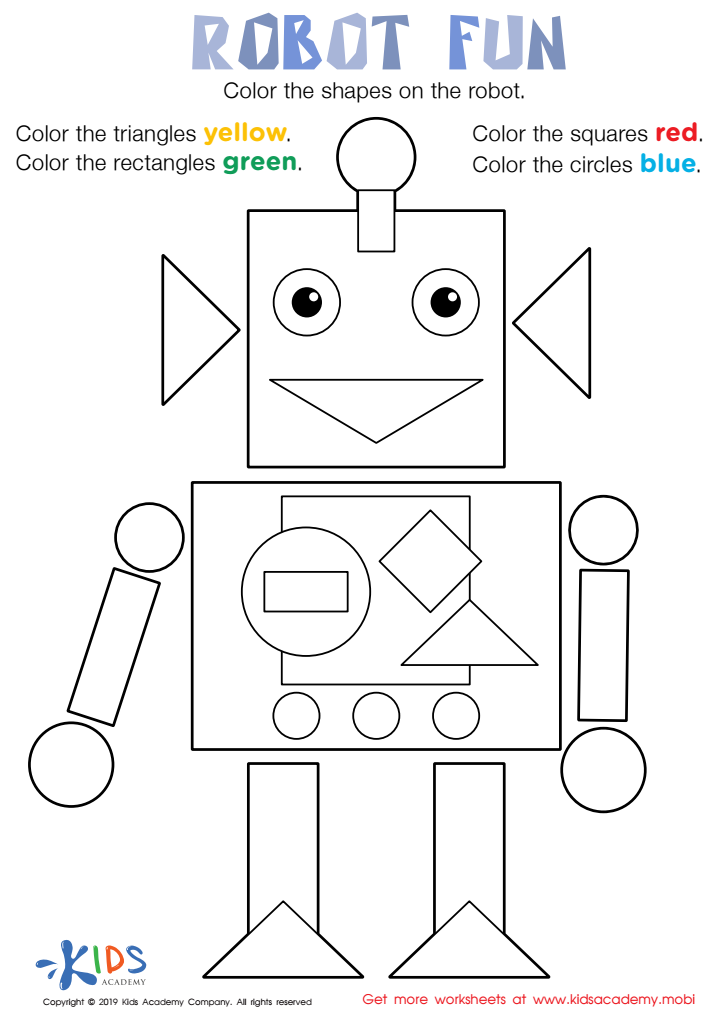
Robot Fun Worksheet
Assign to My Students
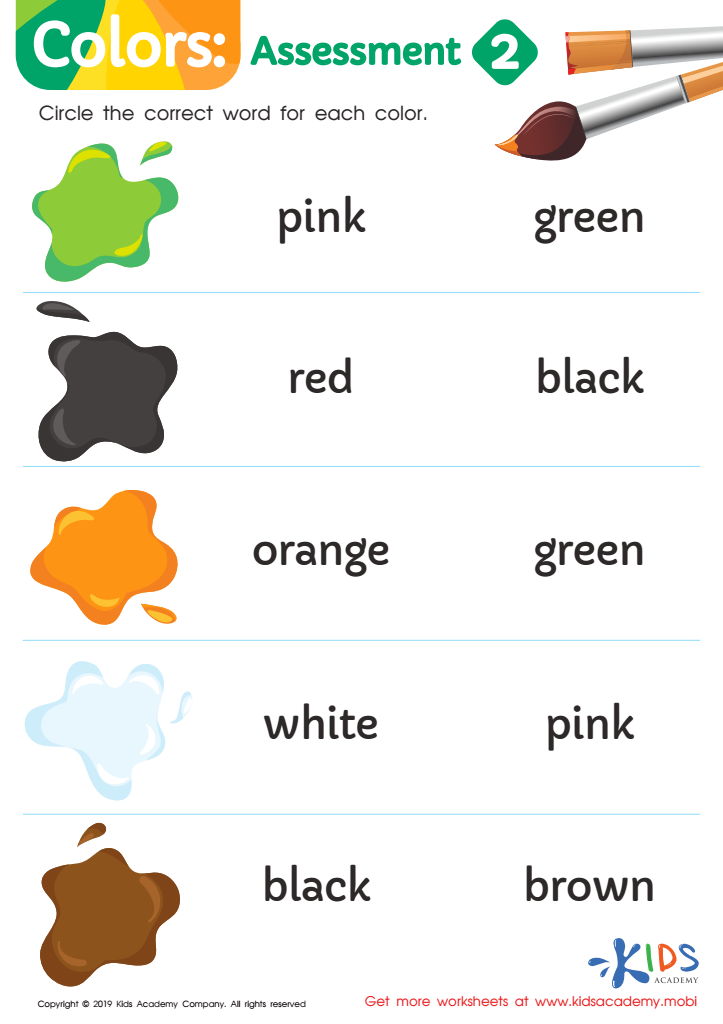
Colors: Assessment 2 Worksheet
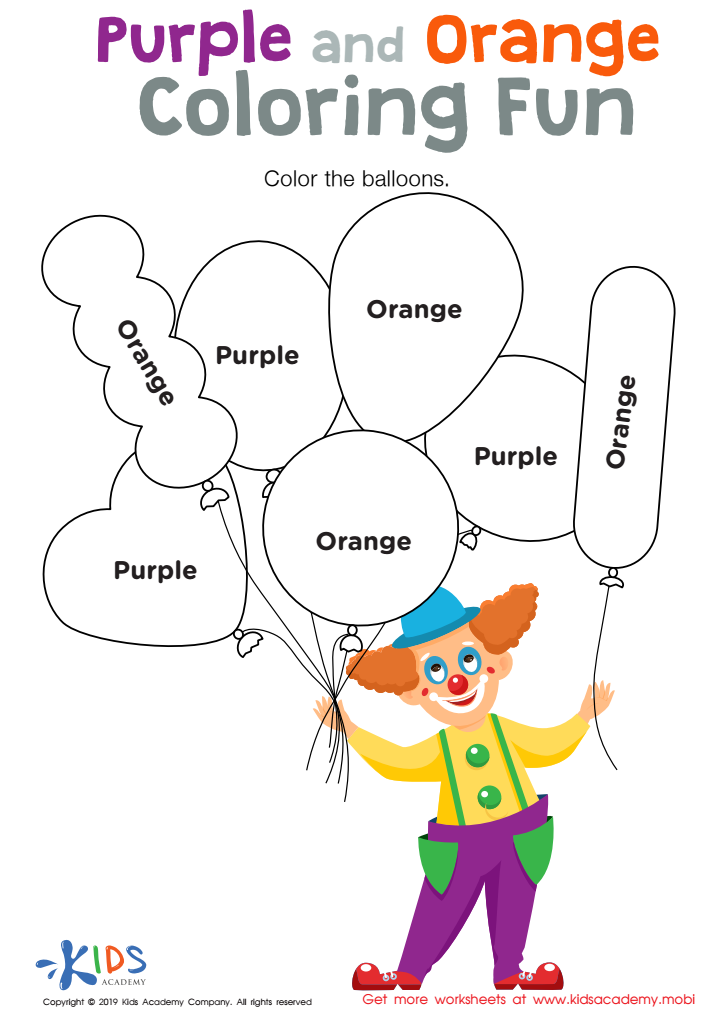
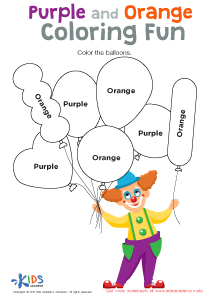
Purple and Orange Coloring Fun Worksheet
Assign to My Students
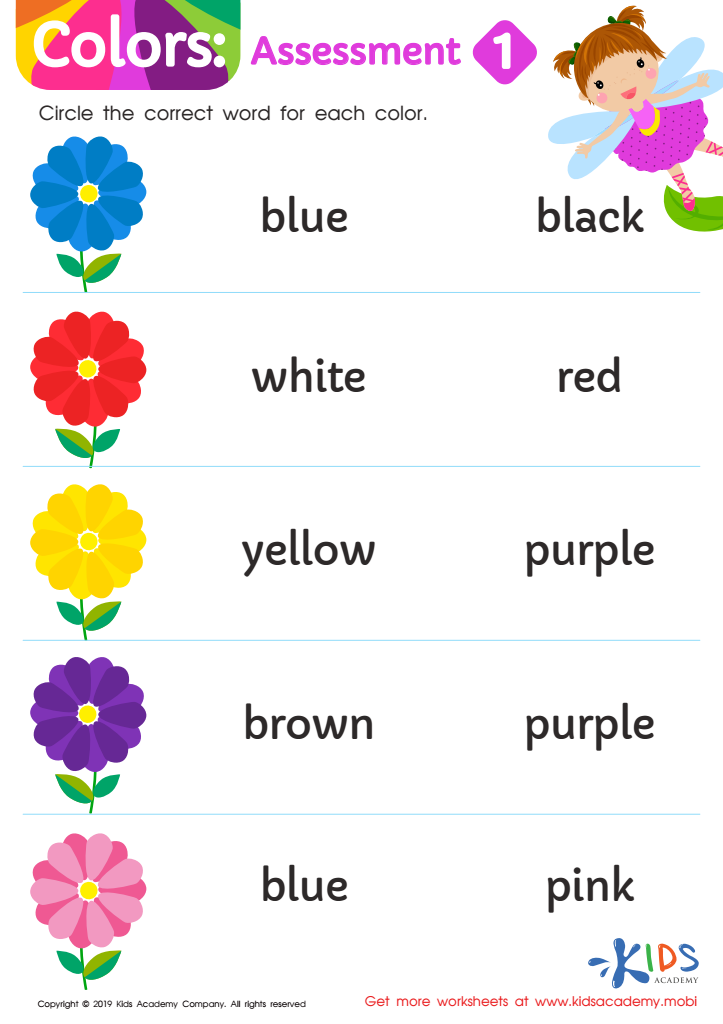
Colors: Assessment 1 Worksheet
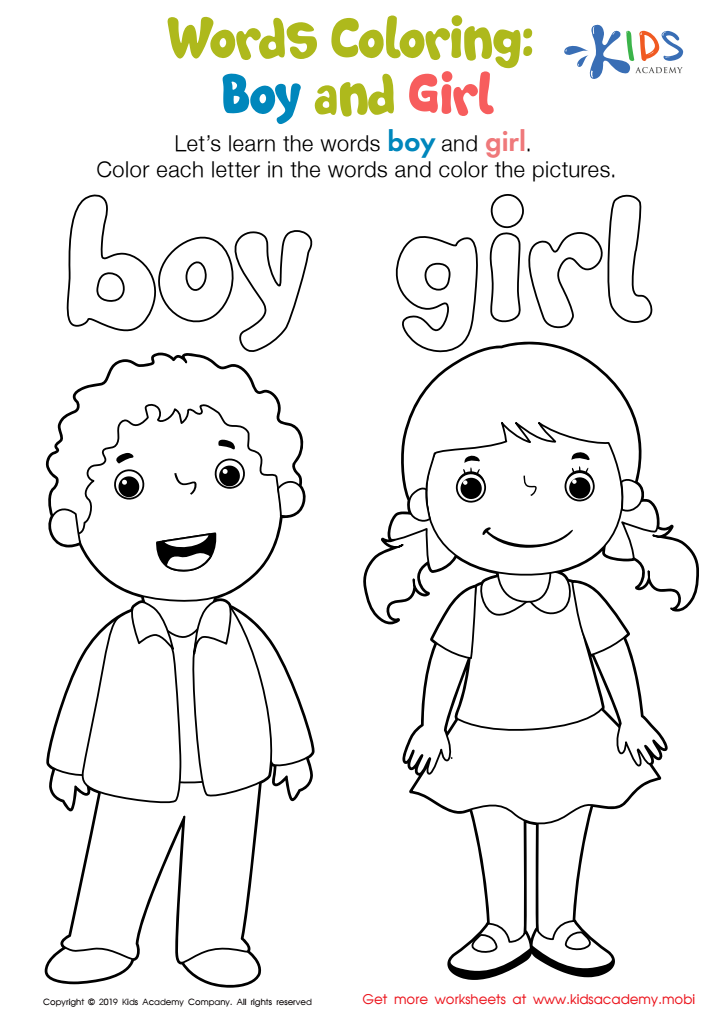
Boy and Girl Words Coloring Worksheet
Assign to My Students
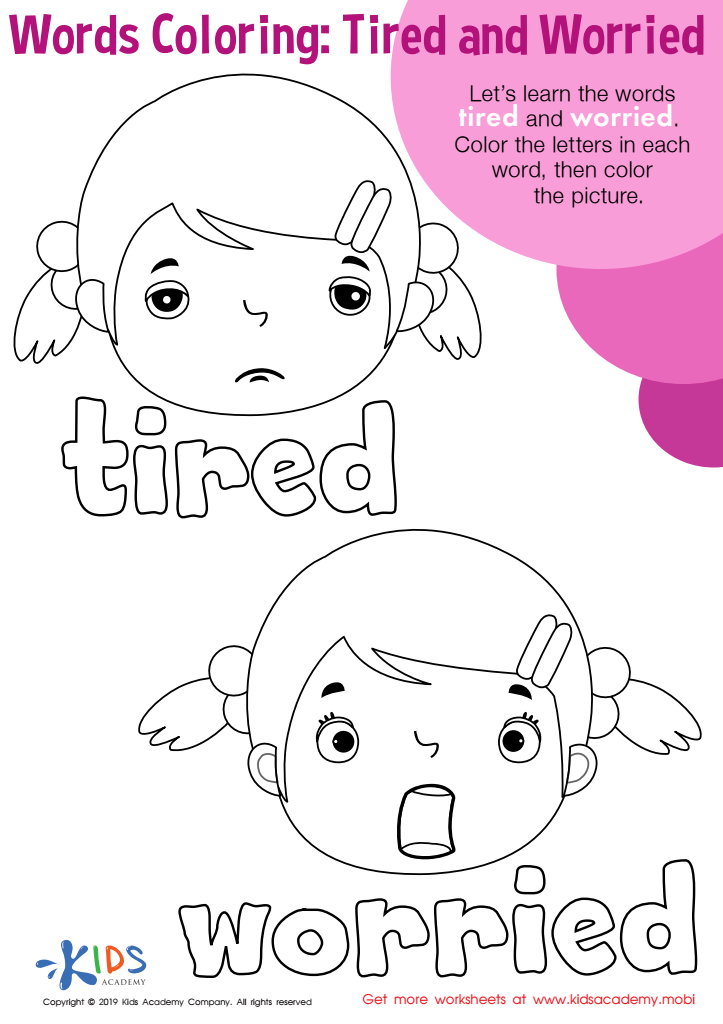
Tired and Worried Words Coloring Worksheet
Assign to My Students
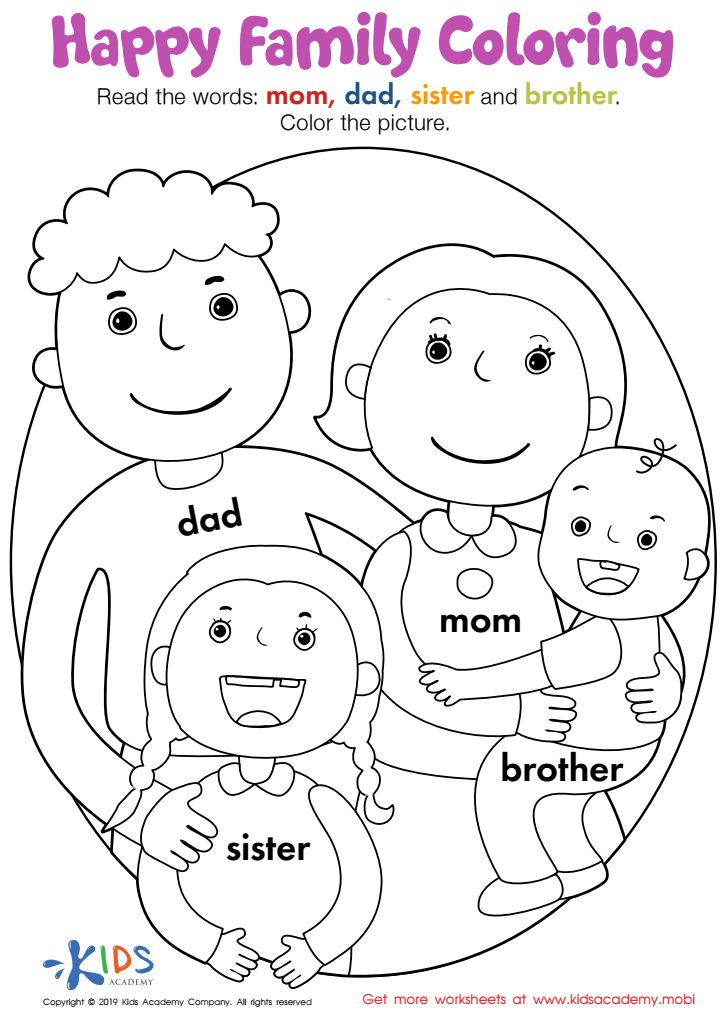
Happy Family Coloring Worksheet
Assign to My Students





Color recognition is an essential skill for young learners aged 7-8 because it serves as a foundation for various aspects of development and learning. Understanding and identifying colors enhances a child's cognitive abilities and language skills, aiding in better comprehension and communication. When children learn to recognize and name colors, they build vocabulary and improve their descriptive language, making it easier for them to express their thoughts and understand the world around them.
For parents and teachers, incorporating color recognition into early education can also make learning more engaging and enjoyable. Colors capture children's attention and stimulate their mental processing, helping to keep them focused and motivated. This engagement is crucial for maintaining interest in more structured learning activities, enhancing overall academic readiness.
Additionally, color recognition lays the groundwork for more advanced subjects. It is linked to early math skills, where recognizing patterns and categorizing objects by color becomes important. In art and creative activities, knowledge of colors allows children to experiment, create, and convey emotions.
Socially, discussing and identifying colors in group settings strengthens peer interaction and cooperative play. Therefore, parents and teachers should prioritize color recognition to support holistic development, ensuring children are well-prepared for more complex learning tasks in the future.